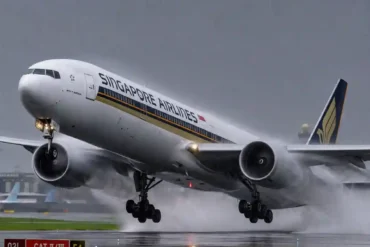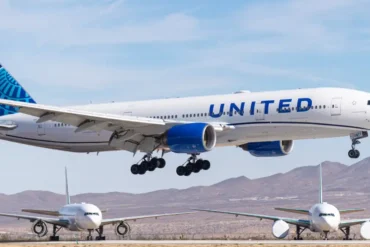
For decades, the Boeing 777 represented the pinnacle of long-haul flying in the United States. It was the aircraft senior pilots dreamed about commanding: massive engines, ultra-long-range missions, and prestige routes connecting New York, Chicago, Los Angeles, and San Francisco with Asia, Europe, and the Middle East. But inside pilot contract negotiations and airline bidding systems, a quiet shift has been unfolding. At several US carriers, particularly United Airlines, Boeing 787 pilots are now earning noticeably more than colleagues flying the older Boeing 777.
The difference is not cosmetic. At United, senior Boeing 787 captains can approach annual compensation levels near $600,000, while equally senior 777 captains often trail behind by tens of thousands of dollars per year. That gap has triggered growing interest throughout the aviation industry because, on paper, both aircraft are widebody long-haul jets operating similar international routes.
The explanation lies in a mix of technology, airline strategy, pilot seniority systems, fleet planning, and the changing economics of modern aviation. The Boeing 787 is not simply another long-haul aircraft replacing older jets. It represents a radically different operating philosophy that reshaped cockpit workloads, training expectations, and pilot desirability across the airline industry.
The result is a fascinating divide where newer aircraft increasingly command premium pay, even when older jets remain larger and equally capable on many routes.
The Boeing 787 Changed What Airlines Expect From Pilots
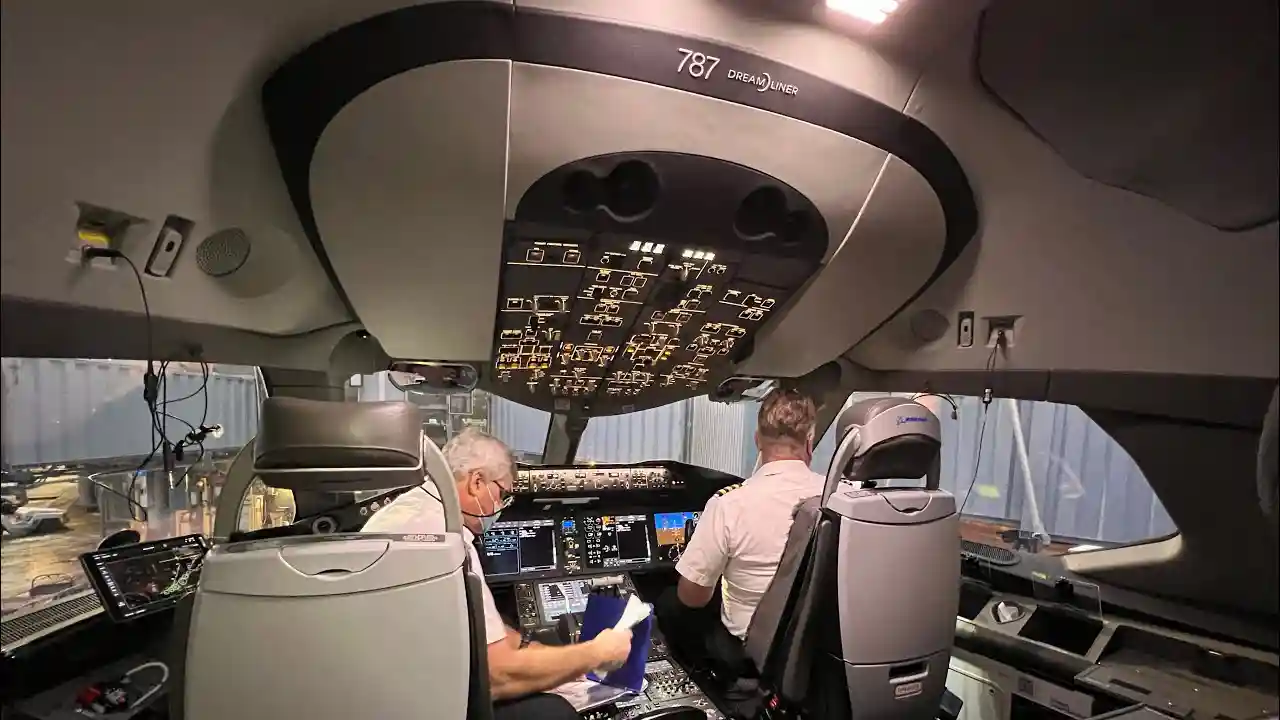
The Boeing 787 Dreamliner entered commercial service promising more than fuel savings. Boeing designed the aircraft around a highly digital and electrically driven architecture that fundamentally altered how pilots interact with onboard systems.
Older aircraft such as the Boeing 777 rely heavily on pneumatic bleed-air systems. These systems channel compressed air from the engines to power environmental controls, anti-ice functions, and pressurization. Pilots trained on traditional widebodies became deeply familiar with monitoring these pneumatic operations throughout flights.
The 787 abandoned much of that philosophy.
Instead, Boeing introduced a “more-electric” aircraft design. Systems traditionally powered pneumatically became electrically driven, increasing efficiency while simultaneously raising technological complexity. Pilots now manage sophisticated electrical loads, automated redundancy protections, power distribution systems, and integrated digital monitoring tools that behave very differently from legacy aircraft systems.
This transition matters because airlines value pilots capable of mastering advanced automation environments. The Dreamliner’s cockpit demands familiarity with modern avionics logic, integrated system management, and complex fault-monitoring interfaces that resemble next-generation aircraft platforms more than traditional airliners.
In practical terms, airlines increasingly see 787 pilots as operating the future of long-haul aviation rather than merely flying another airplane.
That perception carries financial value.
Why Senior Pilots Gravitate Toward The Dreamliner
One of the biggest drivers behind higher 787 pay is not necessarily the aircraft itself, but the pilots who typically end up flying it.
US airlines operate on strict seniority systems. Pilots bid for aircraft assignments, schedules, routes, and bases according to years spent at the airline. The longer a pilot remains employed, the more access they gain to premium positions.
The Boeing 787 has become one of the most desirable aircraft in commercial aviation for several reasons:
- Better cabin pressurization
- Improved humidity levels
- More efficient long-haul scheduling
- Newer cockpit technology
- Strong long-term fleet outlook
- Higher prestige internationally
Because of this desirability, highly senior pilots disproportionately occupy Dreamliner positions. These pilots already sit near the top of airline pay scales before aircraft premiums are even factored in.
At United Airlines, for example, the Dreamliner has become deeply associated with premium international operations. Senior captains often bid aggressively for 787 positions because the aircraft combines lucrative routes with modern operating characteristics and stronger future relevance.
The result is a stacking effect where:
- The aircraft itself may command premium compensation.
- The pilots assigned to it are already among the highest earners.
Together, those factors produce exceptionally high salary figures.

United Airlines Shows The Clearest Salary Gap
Among major US carriers, United Airlines provides the clearest evidence of the widening compensation gap between Boeing 787 and Boeing 777 pilots.
Under the airline’s 2025 pay structure, a senior Boeing 777 captain at year 12 earns approximately $438 per hour. Meanwhile, an equivalently senior Boeing 787 captain earns around $465 per hour.
That nearly $30 hourly difference becomes enormous across an entire year of long-haul flying.
Senior United 787 captains can earn roughly $558,000 annually, with projections suggesting total compensation may approach $598,000 by 2027 depending on contract adjustments, overtime, and scheduling factors.
The scale of United’s Dreamliner investment helps explain why the airline places such importance on the aircraft. United currently operates one of the world’s largest 787 fleets and has aggressively expanded future orders.
Its fleet includes:
- 12 Boeing 787-8s
- 53 Boeing 787-9s
- 21 Boeing 787-10s
United also has dozens more Dreamliners on order while maintaining a large but aging Boeing 777 fleet with no announced 777X purchases.
That strategic direction matters. Pilots understand where airline investment is flowing. Flying the 787 increasingly means remaining aligned with the carrier’s future growth plans, training investments, and flagship international expansion.
Meanwhile, the 777 fleet, although still extremely capable, represents an older generation of technology that airlines will gradually phase down over time.
The 787 Is Easier On The Human Body During Ultra-Long Flights
Ironically, the Boeing 787’s technological sophistication does not necessarily make it physically harder to fly. In some respects, pilots actually prefer it because the aircraft reduces long-haul fatigue.
Traditional widebody aircraft like the Boeing 777 typically maintain cabin pressurization equivalent to roughly 8,000 feet above sea level. On ultra-long-haul flights exceeding 10 or 12 hours, that thinner cabin air contributes to dehydration, fatigue, headaches, and reduced alertness.
The Boeing 787 improved this dramatically.
Its composite fuselage allows cabin pressure equivalent to approximately 6,000 feet, alongside higher humidity levels. Passengers notice the difference, but pilots arguably benefit even more because reduced fatigue directly affects operational performance during demanding long-haul missions.
For crews flying overnight transpacific routes or ultra-long-haul sectors to Asia, Europe, or the Middle East, these physiological improvements matter enormously.
Pilots frequently describe the Dreamliner as less exhausting after extended flights compared with older widebody aircraft.
That quality makes the aircraft highly desirable internally among airline crews, especially senior captains who have spent decades operating older-generation jets.
American Airlines Takes A Different Approach
While United Airlines clearly differentiates between Boeing 777 and 787 compensation, American Airlines largely avoids doing so.
At American, pilots flying either aircraft generally receive the same base pay rates. The airline treats both widebody categories similarly within its compensation structure, even though the aircraft differ technologically.
Under American’s current framework:
- First-year widebody pilots earn nearly $395,000 annually
- Year-four pilots exceed $400,000
- Senior widebody captains approach $420,000
- Top earners can surpass $500,000 with incentives and additional pay factors
This standardized approach reflects a different corporate philosophy regarding fleet operations and pilot management.
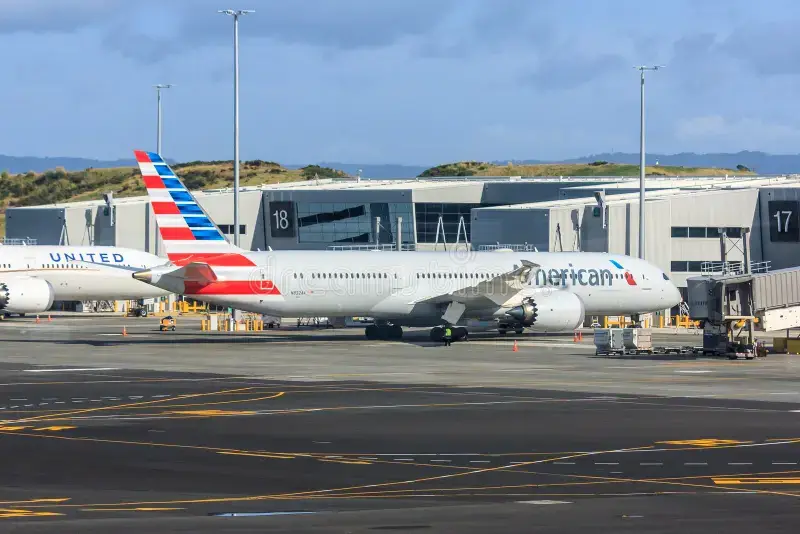
American still operates substantial fleets of both aircraft types:
- 47 Boeing 777-200ERs
- 20 Boeing 777-300ERs
- 37 Boeing 787-8s
- 33 Boeing 787-9s
The airline also has additional 787s on order while avoiding commitments to the delayed Boeing 777X program.
Even without direct pay premiums, many American pilots still prefer transitioning to the Dreamliner because it offers better long-term career positioning. Pilots recognize that future airline growth will likely revolve around modern composite aircraft with advanced avionics rather than legacy widebody platforms.
Pilot Pay Depends On Much More Than Aircraft Type
Aircraft assignment alone never determines a pilot’s salary. Airline compensation structures are famously complex, involving layers of hourly rates, scheduling rules, seniority provisions, bonuses, and negotiated union protections.
A Boeing 777 pilot can still out-earn a Boeing 787 pilot under the right conditions.
Several factors influence total compensation:
Seniority
This remains the single most important variable in airline pay. Pilots with decades at an airline enjoy superior schedules, premium routes, and top hourly rates.
Captain Versus First Officer Status
Captains earn dramatically more than first officers because they hold ultimate operational authority for flights.
Block Time
Pilots are paid according to “block time,” which begins when aircraft brakes release at departure and ends once brakes are set after landing. Longer flights generate more compensated hours.
Overtime And Premium Trips
Holiday operations, reserve coverage, and overtime scheduling can substantially boost annual earnings.
Training Incentives
Pilots transitioning to new aircraft programs often receive additional compensation for simulator instruction and qualification programs.
Per Diem And Soft Pay
Meals, hotel allowances, international layovers, and sector bonuses create significant supplemental income over time.
Retirement Contributions
Many airline pilots prioritize 401(k) matching programs and retirement contributions as heavily as salary itself, especially at legacy carriers.
The headline figures surrounding 787 pay therefore reflect only part of the financial equation.
Why Airlines See The 787 As The Future
The Boeing 787 transformed long-haul route economics across the airline industry.
Before the Dreamliner, airlines relied heavily on very large aircraft operating hub-to-hub networks. Routes needed high passenger volumes to justify large jets like the Boeing 747 or Airbus A340.
The 787 changed that model by offering:
- Lower fuel consumption
- Reduced maintenance costs
- Extended operational range
- Smaller seating capacity
- Greater route flexibility
Airlines suddenly gained the ability to profitably connect secondary cities directly across oceans without filling enormous aircraft.
This flexibility reshaped global aviation strategy.
United Airlines aggressively used the 787 to expand transatlantic and transpacific routes from multiple hubs. American Airlines similarly leveraged the aircraft for thinner international markets where older widebodies would have been economically inefficient.
Because airlines increasingly depend on the Dreamliner for strategic international growth, pilots qualified on the aircraft naturally gain stronger bargaining power and long-term value.
The Boeing 777X Could Disrupt Current Pay Structures
The current pay imbalance may not last forever.
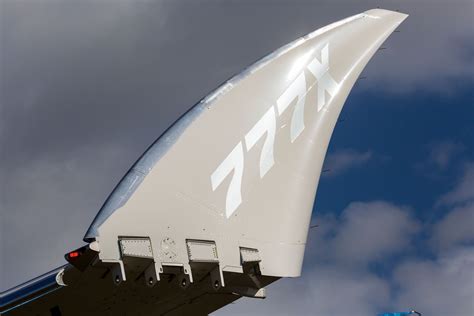
Boeing’s upcoming 777X program introduces a wildcard into future pilot compensation negotiations. Once operational, the aircraft will become the largest and most technologically advanced twin-engine commercial aircraft ever built.
The 777X incorporates:
- Massive GE9X engines
- Advanced digital flight systems
- Folding wingtips
- Sophisticated avionics architecture
- Enhanced automation environments
- New flight management technologies
Operating such an aircraft will require extensive training and advanced technical competency. Airlines will likely need highly experienced pilots capable of managing extraordinarily complex systems.
That could elevate 777X pilot compensation above current Dreamliner rates.
However, there is one major obstacle: no US airline has ordered the aircraft.
Years of certification delays, ballooning development costs, and uncertainty surrounding Boeing’s production timeline have caused American carriers to remain cautious. Boeing now targets 2027 for entry into service after years of postponements and more than $15 billion in program delays.
Without firm US airline adoption, the 777X currently remains more theoretical than practical in discussions about American pilot salaries.
Still, if the aircraft eventually proves successful globally, its arrival could fundamentally alter widebody pay structures across the industry.
Why The Dreamliner Represents Career Security
For many pilots, the attraction of the Boeing 787 goes beyond immediate salary differences.
The aircraft represents relevance.
Commercial aviation increasingly revolves around fuel efficiency, digital integration, environmental pressures, and next-generation operational systems. Pilots qualified on the Dreamliner gain experience directly aligned with where the industry is heading.
That matters tremendously in a profession where technological evolution increasingly shapes career opportunities.
A pilot spending years on an aging Boeing 777 may still enjoy excellent compensation today, but long-term fleet retirement trends remain unavoidable. Airlines worldwide are gradually reducing older widebody operations in favor of newer, more efficient aircraft families.
Dreamliner pilots, by contrast, build expertise on one of the most important long-haul platforms of the modern era.
Inside airline bidding systems, union negotiations, and future fleet planning discussions, that distinction increasingly carries both financial and professional advantages.
The result is a fascinating reversal in aviation hierarchy. The once-dominant Boeing 777 still commands enormous respect across global aviation, but the Boeing 787 has quietly become the aircraft many top pilots now view as the true premium assignment in American long-haul flying.