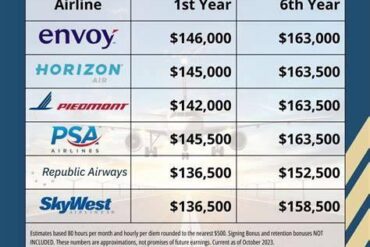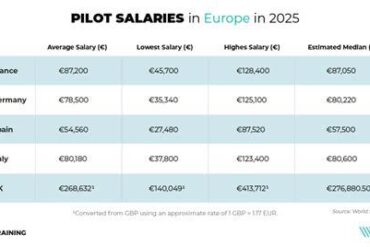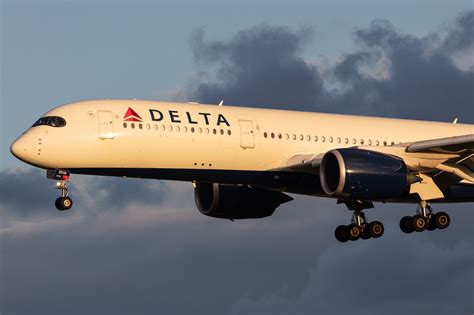
Becoming a captain at a major U.S. airline represents the pinnacle of a professional pilot’s career. It is the position that combines the highest responsibility in the cockpit with the highest compensation in commercial aviation. In 2026, airline captains flying for the largest U.S. carriers are among the best-paid pilots in the world, with annual incomes that can easily exceed $300,000 to $500,000 or more depending on experience, aircraft type, and airline contract.
The United States aviation industry offers a unique environment that supports these high earnings. Strong pilot unions, profitable legacy carriers, and well-structured labor agreements have created compensation packages that are significantly higher than those in most other regions. Airlines such as Delta Air Lines, American Airlines, United Airlines, Alaska Airlines, Southwest Airlines, and Hawaiian Airlines consistently rank among the most attractive employers for professional pilots.
Yet the salary figures often discussed online only tell part of the story. Pilot pay is not calculated in the same way as most professions, and the structure of airline contracts introduces several important factors such as hourly pay rates, flight hour limits, minimum monthly guarantees, and additional compensation like per diem allowances.
Understanding how much a major airline captain earns in 2026 requires examining the entire compensation system, the progression from first officer to captain, and the influence of aircraft type and seniority.
Understanding How Airline Pilot Pay Works in the United States
Unlike most professions that pay fixed annual salaries, U.S. airline pilots are paid primarily by the flight hour. Each airline establishes hourly pay rates through collective bargaining agreements negotiated between the company and pilot unions.
These hourly rates depend on three main factors:
- Years of service at the airline
- Aircraft type flown
- Position in the cockpit (captain or first officer)
A captain flying a widebody aircraft earns significantly more per hour than a first officer operating a smaller narrowbody jet. However, the hourly rate itself does not represent the pilot’s total annual income. The final salary depends on how many hours are flown during the year.
The Federal Aviation Administration places strict limits on pilot flying time for safety reasons. Commercial airline pilots cannot exceed:
- 1,000 flight hours per calendar year
- 100 flight hours per month
In practice, many pilots fly around 700 to 900 hours annually. Airline labor contracts also include minimum monthly pay guarantees, typically between 70 and 78 hours, meaning pilots receive compensation even if they fly less.
In addition to hourly pay, airline pilots receive other forms of compensation:
- Per diem allowances for meals and expenses during layovers
- Premium pay for extra flying assignments
- Paid vacation and sick leave
- Training pay during simulator sessions
This structure means that a captain’s yearly earnings can fluctuate depending on schedule choices, overtime flying opportunities, and seniority-based bidding privileges.
The Role of a Captain in a Major Airline Cockpit
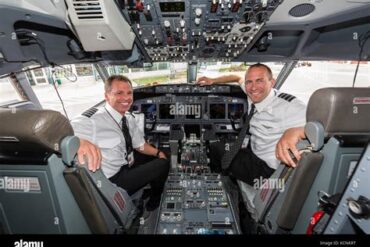
Inside every commercial airliner cockpit sits a two-pilot crew consisting of a captain and a first officer. While both pilots share flying duties, the captain holds ultimate legal authority over the aircraft.
The captain is responsible for:
- Final decisions regarding flight safety
- Weather and operational judgment
- Coordination with air traffic control
- Managing crew resources
- Handling abnormal or emergency situations
Although modern cockpits rely heavily on automation and collaboration between pilots, the captain remains the pilot in command under aviation law. This level of responsibility is one reason why the position commands such high pay.
However, becoming a captain at a major airline is not simply a matter of applying for the job. In the United States, promotions depend almost entirely on seniority within the airline.
A pilot hired as a first officer must build several years of service before being eligible for upgrade to captain. In some junior bases, pilots may upgrade within three to five years, while in more competitive bases it can take five to eight years or longer.

Narrowbody Captain Pay at U.S. Major Airlines in 2026
Most airline captains begin their command career flying narrowbody aircraft, which are single-aisle jets commonly used for domestic and short-haul international routes.
Examples include:
- Boeing 737
- Airbus A320 family
- Airbus A321neo
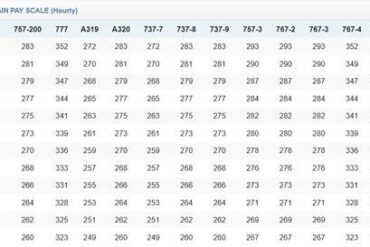
At major U.S. airlines in 2026, a pilot who upgrades to narrowbody captain typically earns at least $320 per flight hour depending on the airline’s contract and aircraft type.
Hourly pay then increases gradually with each additional year of service. By the time a captain reaches the top of the narrowbody pay scale, usually around 12 years with the airline, hourly rates approach $390 per hour or more.
Aircraft size can also affect pay. Larger narrowbody models such as the Airbus A321neo often pay slightly higher rates than smaller variants like the Boeing 737-700.
Using the standard industry estimate of multiplying hourly pay by approximately 1,000 flight hours annually, a narrowbody captain’s yearly income typically falls into these ranges:
- Entry-level captain: about $300,000 to $340,000
- Mid-career captain: roughly $380,000 to $430,000
- Senior narrowbody captain: $450,000 or more
These figures can climb higher when pilots accept premium overtime flights or operate particularly busy schedules.
For many pilots, the narrowbody captain role already represents a financially rewarding career peak. However, the most prestigious and highest-paying position lies one step further.
Widebody Captain Salaries: The Highest Paid Airline Pilots
At the top of the airline career ladder sits the widebody captain. These pilots command large intercontinental aircraft that operate long-haul routes across oceans and continents.
Examples of widebody aircraft flown by U.S. airlines include:
- Airbus A350
- Boeing 787 Dreamliner
- Boeing 777
- Airbus A330
Because these aircraft operate international routes with greater complexity and longer flight durations, widebody captain pay rates are significantly higher.
At major U.S. airlines in 2026, widebody captains earn more than $450 per hour at the top of the pay scale.
Reaching this level usually requires 25 to 30 years of seniority, meaning only a small percentage of pilots ultimately hold these positions.
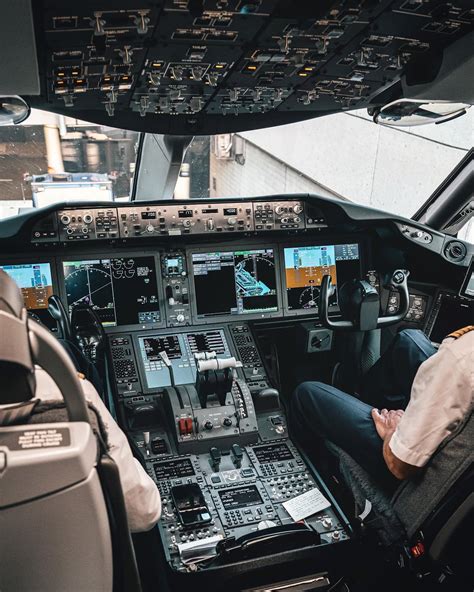
When annual flight hours are considered, widebody captains often earn over $500,000 per year, with some earning considerably more through additional flying or premium assignments.
The prestige of commanding a long-haul aircraft combined with such compensation explains why these positions are among the most sought-after roles in global aviation.
Major U.S. Airlines Offering the Highest Captain Pay
The airlines known for offering the best pilot compensation in the United States are the large mainline carriers.
These airlines operate extensive domestic and international networks and maintain powerful pilot unions that negotiate strong contracts.
The most prominent major airlines include:
- Delta Air Lines
- American Airlines
- United Airlines
- Southwest Airlines
- Alaska Airlines
- Hawaiian Airlines
Among these companies, Delta, United, and American typically offer the highest widebody captain pay because they operate the largest fleets of long-haul aircraft.
Southwest Airlines, while operating only Boeing 737 aircraft, also offers highly competitive captain pay due to strong union contracts and an efficient business model.
For many professional pilots, landing a position at one of these airlines represents the ultimate career milestone.
How Pilots Reach the Captain Seat at Major Airlines
The road to becoming a major airline captain is long, expensive, and demanding. Before entering an airline cockpit, aspiring pilots must earn several FAA certifications.
The typical progression involves:
- Private Pilot License (PPL)
- Instrument Rating
- Commercial Pilot License (CPL)
- Multi-Engine Rating
- Airline Transport Pilot License (ATPL)
The ATPL is the certification required to work as an airline pilot in the United States. However, obtaining it requires 1,500 total flight hours, far more than the 250 hours required for a commercial pilot license.
Because of this gap, most pilots build experience by working as flight instructors, charter pilots, or corporate aviators.
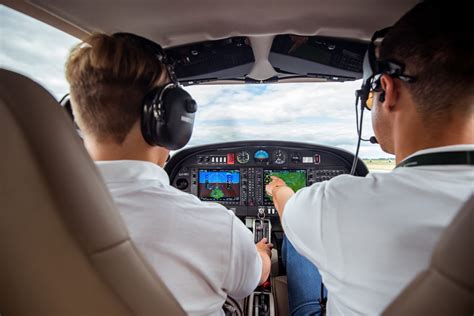
After reaching the required experience level, pilots typically join a regional airline, which operates smaller aircraft on behalf of major carriers. Regional airline pilots gain valuable experience flying multi-crew commercial operations before applying to a major airline.
Once hired by a major airline, pilots start as first officers, eventually upgrading to captain as seniority increases.
This entire journey can easily span 10 to 20 years from the first flight lesson to commanding a widebody aircraft.
Cargo Airline Captain Salaries in 2026
While passenger airlines dominate discussions about pilot pay, cargo airlines have historically offered some of the most lucrative positions in aviation.
Companies such as FedEx Express and UPS Airlines operate large fleets of widebody freighters that transport cargo worldwide.
Because many cargo aircraft are long-range widebodies, pilots at these companies often reach the highest pay categories earlier in their careers.
In recent years, however, pay increases at passenger airlines have outpaced those at cargo carriers. Despite this shift, cargo captains can still earn well over $400,000 per year.
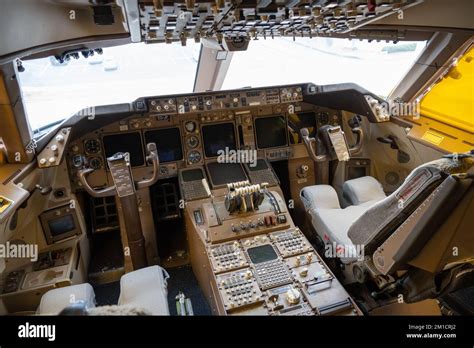
Other cargo airlines, including Atlas Air and Kalitta Air, also offer competitive captain salaries, though typically lower than those at the largest passenger carriers.
Typical hourly captain pay examples include:
- Atlas Air Boeing 747 captain: about $247 per hour in year one, rising above $330 per hour by year twelve
- Kalitta Air captain: starting around $165 per hour and exceeding $300 per hour later in the career
While the pay remains attractive, the lifestyle differs significantly from passenger operations. Cargo pilots frequently fly overnight routes, perform hub-and-spoke operations, and experience longer international rotations.
Why Pilot Salaries Are So High in 2026
Several industry trends have pushed airline pilot salaries to historic highs in recent years.
One of the most important factors is the wave of pilot retirements triggered by the FAA’s mandatory retirement age of 65. Many experienced pilots hired during aviation’s expansion in the 1980s and 1990s are now leaving the workforce.
This retirement wave has created opportunities for younger pilots to upgrade more quickly and has strengthened union bargaining power.
Another factor is the strong financial performance of the largest U.S. airlines. Profitable operations allow companies to negotiate contracts that include significant pay increases while still maintaining sustainable business models.
Finally, the demanding requirements of becoming an airline pilot limit the size of the labor pool. The cost of flight training can exceed $100,000, and reaching the required 1,500 hours of experience takes years.
These barriers make airline pilots a highly specialized workforce, which naturally drives compensation upward.
The Cyclical Nature of the Airline Industry
Despite the impressive salaries, aviation remains a cyclical industry. Airline profitability depends heavily on economic conditions, fuel prices, and global travel demand.
History has shown that downturns can dramatically affect pilot careers.
During the Great Recession, several major U.S. airlines entered bankruptcy protection, leading to pay cuts and furloughs for pilots. The COVID-19 pandemic also disrupted the industry, although recovery occurred faster than expected.
Even in 2025, some airlines experienced financial challenges. Spirit Airlines, for example, furloughed hundreds of pilots as it struggled with rising costs and competitive pressures.
These fluctuations highlight an important reality: while airline pilot salaries can be extremely high, they are not guaranteed forever. Economic downturns can temporarily reverse hiring trends and reduce flight schedules.
The Real Financial Potential of an Airline Captain Career
Despite the cyclical nature of aviation, few careers offer the same combination of high earning potential, global travel opportunities, and professional prestige.
By the time a pilot becomes a senior captain at a major U.S. airline, lifetime earnings can reach several million dollars. When additional benefits such as retirement contributions, profit-sharing programs, and travel privileges are included, the overall compensation package becomes even more valuable.
For pilots who eventually command widebody aircraft on international routes, annual incomes exceeding half a million dollars are increasingly common in 2026.
Yet financial rewards alone rarely motivate those who pursue aviation. The profession requires dedication, continuous training, and the ability to manage complex situations thousands of feet above the ground.
Those who thrive in the cockpit tend to be individuals who genuinely enjoy flying and the unique lifestyle that accompanies it.
Conclusion
In 2026, U.S. major airline captains rank among the highest-paid pilots in the world. Narrowbody captains typically earn $300,000 to $450,000 annually, while experienced widebody captains can earn $500,000 or more depending on their airline and schedule.
These impressive salaries reflect years of experience, extensive training, and the immense responsibility associated with commanding large commercial aircraft carrying hundreds of passengers across the globe.
For aspiring pilots, reaching the captain’s seat at a major airline requires patience, persistence, and thousands of hours of flight experience. Yet for those who achieve it, the rewards—both financial and professional—make it one of the most respected careers in aviation.
FAQs
How much does a major airline captain earn in the United States in 2026?
Most major airline captains earn between $300,000 and $500,000 per year depending on aircraft type, airline contract, and years of service. Widebody captains on long-haul aircraft typically earn the highest salaries.
What is the hourly pay rate for U.S. airline captains?
In 2026, hourly pay rates typically range from about $320 per hour for new narrowbody captains to over $450 per hour for senior widebody captains at major airlines.
How long does it take to become a captain at a major airline?
Most pilots spend several years as first officers before upgrading to captain. The timeline varies but often ranges from 3 to 8 years depending on hiring demand and seniority progression.
Do cargo airline captains earn as much as passenger airline captains?
Cargo airline captains at companies like FedEx and UPS can earn over $400,000 per year, though recent contracts at passenger airlines sometimes offer even higher pay for widebody captains.