The Airbus A380 remains one of the most prestigious aircraft in global aviation, and the pilots who fly it sit near the very top of the airline pay ladder. Even in 2026, years after Airbus ended production of the superjumbo, the aircraft still represents a symbol of elite long-haul flying. From Emirates’ massive Dubai hub to British Airways’ premium-heavy London routes, A380 pilots continue to command some of the highest salaries in commercial aviation.
Yet the actual income of an A380 pilot depends on far more than simply sitting in the left seat of the world’s largest passenger aircraft. Seniority, airline contracts, tax laws, fleet size, trip schedules, and even regional labor markets dramatically affect what pilots take home each year.
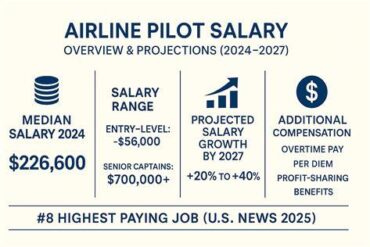
The result is a surprisingly wide salary range. A junior first officer at one airline may earn just over $100,000 annually, while a senior captain at another carrier can exceed $350,000 per year with allowances and overtime included. In the United States, theoretical union-negotiated A380 contracts even suggest salaries approaching $700,000 annually for captains if the aircraft were ever introduced by a major legacy airline.
The economics behind these numbers reveal a fascinating reality about the airline industry in 2026: the Airbus A380 may be a niche aircraft, but it still carries premium earning power.
The A380’s continued presence in global fleets also gives pilots a rare combination of prestige, operational stability, and long-haul efficiency. For many aviators, flying the double-decker remains the pinnacle of a commercial aviation career.
After all, not every pilot gets to command an aircraft carrying more than 500 passengers across oceans while operating one of the most technologically advanced cockpits ever designed.
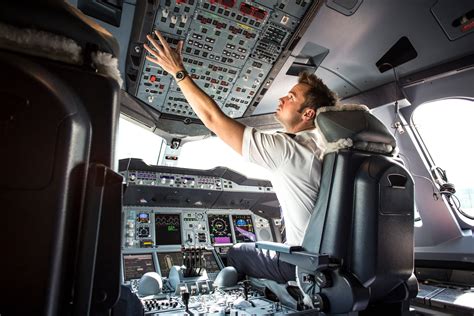
Why Airbus A380 Pilots Earn More Than Most Airline Pilots
The biggest reason A380 pilots earn such impressive salaries is simple: the aircraft is operated almost exclusively on premium international routes by flagship airlines.
Unlike narrowbody aircraft such as the Airbus A320 or Boeing 737, which frequently operate short domestic sectors, the A380 is designed for ultra-long-haul missions. These routes generate enormous revenue for airlines, particularly through first-class suites, business-class cabins, and high-capacity international demand.
Pilots flying these aircraft typically work fewer flight segments but accumulate more paid hours during each trip. A single A380 rotation between Dubai and Los Angeles, for example, may involve more than 30 hours of total duty and flight pay across several days.
Long-haul flying also requires extensive operational experience. Airlines generally reserve widebody fleets for highly senior pilots with thousands of flight hours and years of service. The A380, being the flagship aircraft at most operators, often becomes the final destination in a pilot’s career progression.
Another factor driving salaries upward is training complexity. Operating the A380 requires advanced type ratings, recurrent simulator checks, international procedural knowledge, ETOPS familiarity, and experience managing long-range operations with augmented crews.
The aircraft itself is also highly specialized. Only a handful of airlines still operate it, meaning pilots qualified on the type belong to a relatively exclusive category within global aviation.
Emirates A380 Pilot Salary in 2026
No airline is more closely associated with the Airbus A380 than Emirates. The Dubai-based carrier remains the world’s largest A380 operator with more than 100 aircraft still active or planned for continued service into the 2040s.
Because Emirates built much of its global brand around the superjumbo, A380 pilots there remain among the most visible and highly compensated aviators in the industry.
An Emirates A380 captain in 2026 typically earns between AED 44,000 and AED 98,000 monthly, equivalent to approximately $144,000 to $320,000 annually. Senior captains with extensive longevity, training duties, or additional flying hours can exceed those figures.
One of the most important financial advantages at Emirates is the UAE’s favorable tax environment. Salaries are generally tax-free, dramatically increasing effective take-home income compared with pilots working in heavily taxed jurisdictions.
Housing allowances, transportation benefits, education support, and travel perks further enhance compensation packages. For many expatriate pilots, the total package value substantially exceeds the published salary alone.
Emirates first officers also earn strong incomes relative to global standards. Most receive between $101,000 and $147,000 annually, with senior first officers approaching junior captain compensation levels.
The airline additionally employs second officers on ultra-long-haul routes. These pilots assist during cruise operations while senior crew members rest. Although second officers earn less than first officers, they still receive salaries that many regional airline captains elsewhere would envy.
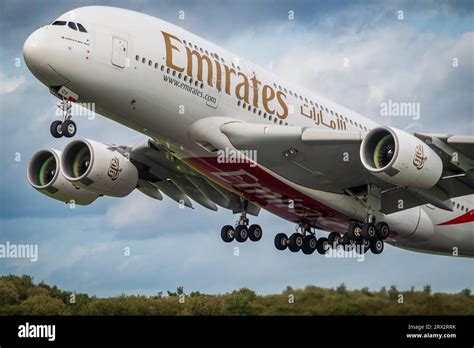
British Airways and Qantas A380 Pilot Pay
Outside the Middle East, some of the most competitive A380 salaries are found at British Airways and Qantas.
British Airways A380 captains generally earn between £190,000 and £240,000 annually, translating to roughly $256,000 to $323,000. These figures reflect the airline’s premium international route network and highly senior long-haul pilot group.
A380 operations at British Airways are concentrated on high-demand intercontinental routes from London Heathrow, including destinations such as Singapore, Los Angeles, Johannesburg, and Miami. These routes often involve lucrative flying patterns with substantial per diem compensation.
Qantas pilots also receive excellent compensation packages. A380 captains typically earn between AUD 250,000 and AUD 400,000, or approximately $178,000 to $285,000 USD depending on seniority and flight hours.
Australian airline contracts frequently emphasize hourly compensation systems, meaning pilots who fly more trips can significantly increase annual earnings.
Qantas A380 operations are particularly demanding due to Australia’s geographic isolation. Ultra-long-haul sectors from Sydney and Melbourne to destinations in North America and Europe involve some of the longest commercial flights on Earth.
Pilots operating these routes receive enhanced allowances and substantial fatigue-management protections under Australian aviation regulations.
How Seniority Determines A380 Pilot Earnings
In airline aviation, seniority is everything.
A pilot’s date of hire influences nearly every aspect of career progression, including aircraft assignments, monthly schedules, vacation periods, base selection, and ultimately salary.
The Airbus A380 is considered an extremely senior fleet because it represents the top tier of long-haul operations at most airlines. Junior pilots rarely gain access to the aircraft quickly.
Instead, many pilots spend years flying narrowbody aircraft before upgrading to widebody fleets like the Boeing 777 or Airbus A330. Only after substantial experience do they eventually transition onto the A380.
This system creates a naturally high-paid pilot group. By the time a captain reaches the A380, they may already possess decades of experience and occupy the upper pay scales within union or company contracts.
Relative seniority within the fleet also matters enormously.
A senior A380 captain may enjoy:
- Preferred schedules
- Higher monthly flying allocations
- Better vacation bidding
- More lucrative routes
- Additional instructor opportunities
- Greater overtime access
Meanwhile, junior pilots on reserve schedules often remain on call for unpredictable assignments, reducing lifestyle quality despite strong baseline pay.
The combination of seniority and fleet exclusivity explains why A380 pilots consistently rank among aviation’s top earners worldwide.
The Difference Between A380 Captains and First Officers
Although both pilots operate the aircraft, compensation differs dramatically between captains and first officers.
The captain serves as pilot-in-command and carries ultimate operational responsibility for the flight. As a result, captains earn substantially higher salaries.
Globally, A380 first officers usually make between $140,000 and $250,000 annually, depending on airline, seniority, and flying hours. Senior first officers at premium carriers can occasionally exceed those figures through overtime and allowances.
Captains, however, often surpass $300,000 annually, particularly at tax-advantaged airlines or through enhanced flying schedules.
The gap reflects not only authority but also experience. Many A380 captains have accumulated more than 10,000 total flight hours and spent years progressing through airline fleets before reaching command positions.
Interestingly, some senior first officers intentionally delay captain upgrades.
Why?
Because long-haul first officer schedules can sometimes offer superior lifestyle benefits compared with junior captain positions on less desirable fleets. A senior A380 first officer may receive better routes and more flexibility than a newly upgraded narrowbody captain.
That dynamic surprises many outside aviation, but airline career decisions often balance income against quality of life.
Why US Airline A380 Salaries Could Be Enormous
One of the most fascinating aspects of airline labor contracts involves aircraft types airlines do not even operate.
Major US legacy carriers include negotiated pay rates for hypothetical future fleets, including the Airbus A380. These contracts reveal how valuable the aircraft could become under the American pilot pay structure.
According to United Airlines’ negotiated agreements for future years, an A380 captain could theoretically earn between $642 and $700 per flight hour by 2027.
At standard annual flying levels, total compensation could approach or exceed $700,000 annually.
First officers could potentially earn up to $478,000 per year, astonishing numbers compared with international averages.
Several factors explain the difference between US and global pilot compensation:
- Strong pilot unions
- Massive domestic airline profitability
- Severe pilot shortages
- High training costs
- Competitive labor markets
- FAA experience requirements
- Aggressive contract negotiations
The FAA’s 1,500-hour rule also creates a significantly higher barrier to airline entry than many international systems.
Although no US carrier currently operates the A380, the negotiated pay scales demonstrate how valuable widebody flying has become within the American airline industry.
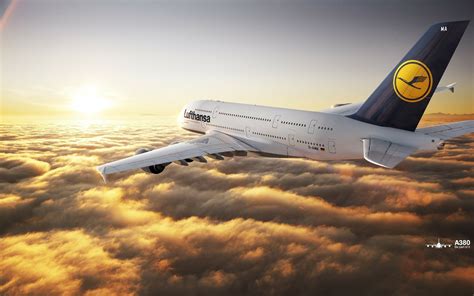
Which Airlines Still Fly the Airbus A380 in 2026?
Despite predictions of the aircraft’s demise during the pandemic era, the Airbus A380 remains active at several major carriers.
Current operators include:
- Emirates
- British Airways
- Lufthansa
- Singapore Airlines
- Qatar Airways
- Etihad Airways
- Korean Air
- Qantas
- All Nippon Airways
- Asiana Airlines
Emirates overwhelmingly dominates the market with more than 100 aircraft, while most other airlines operate relatively small fleets.
This matters greatly for pilot career prospects.
At airlines with only six to twelve A380s, openings are extremely limited and highly competitive. Fleet shrinkage and future retirement plans further reduce advancement opportunities.
Many airlines plan to gradually phase out the aircraft during the 2030s, even if they continue operating it profitably today.
For aspiring pilots, that creates a paradox: the A380 remains one of aviation’s most prestigious aircraft, but opportunities to fly it are becoming increasingly rare.
Per Diem, Bonuses, and Additional A380 Pilot Income
Base salary tells only part of the story.
Airline pilots receive additional compensation through several mechanisms that can dramatically increase annual earnings.
One major category is per diem pay, intended to offset expenses during layovers. Pilots receive hourly allowances while away from base, often across the entirety of multi-day international trips.
A380 pilots operating ultra-long-haul flights can accumulate substantial per diem income because of extended international layovers in expensive global cities.
Additional income sources may include:
- Training captain premiums
- Simulator instructor pay
- Holiday flying bonuses
- Overtime incentives
- Reserve coverage premiums
- International allowances
- Profit-sharing programs
Some airlines also offer enhanced compensation for operating particularly long sectors requiring augmented crews.
As a result, published salary ranges often underestimate what highly active A380 pilots actually earn annually.
Is Flying the Airbus A380 Still a Good Career Goal?
From a prestige standpoint, few aircraft rival the Airbus A380.
The aircraft remains beloved by passengers, admired by aviation enthusiasts, and respected by pilots for its remarkably smooth handling characteristics and advanced systems.
Financially, the aircraft still sits near the top of global airline pay scales.
Yet career realities are changing.
Because Airbus ended production and many airlines plan gradual retirements, future opportunities will become increasingly limited. Younger pilots entering the industry today are statistically more likely to build careers around aircraft like the Airbus A350, Boeing 787, or Boeing 777X.
Even Emirates, the A380’s strongest supporter, is steadily preparing for a future centered around newer twin-engine widebodies.
Still, for pilots already positioned within major international airlines, the A380 continues to represent one of aviation’s most desirable assignments.
The combination of elite long-haul routes, premium passenger operations, sophisticated technology, and exceptional earning potential ensures the aircraft retains legendary status within the industry.
For the pilots fortunate enough to command it in 2026, the Airbus A380 remains more than just an airplane.
It is the crown jewel of commercial aviation careers.