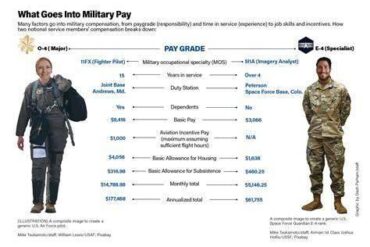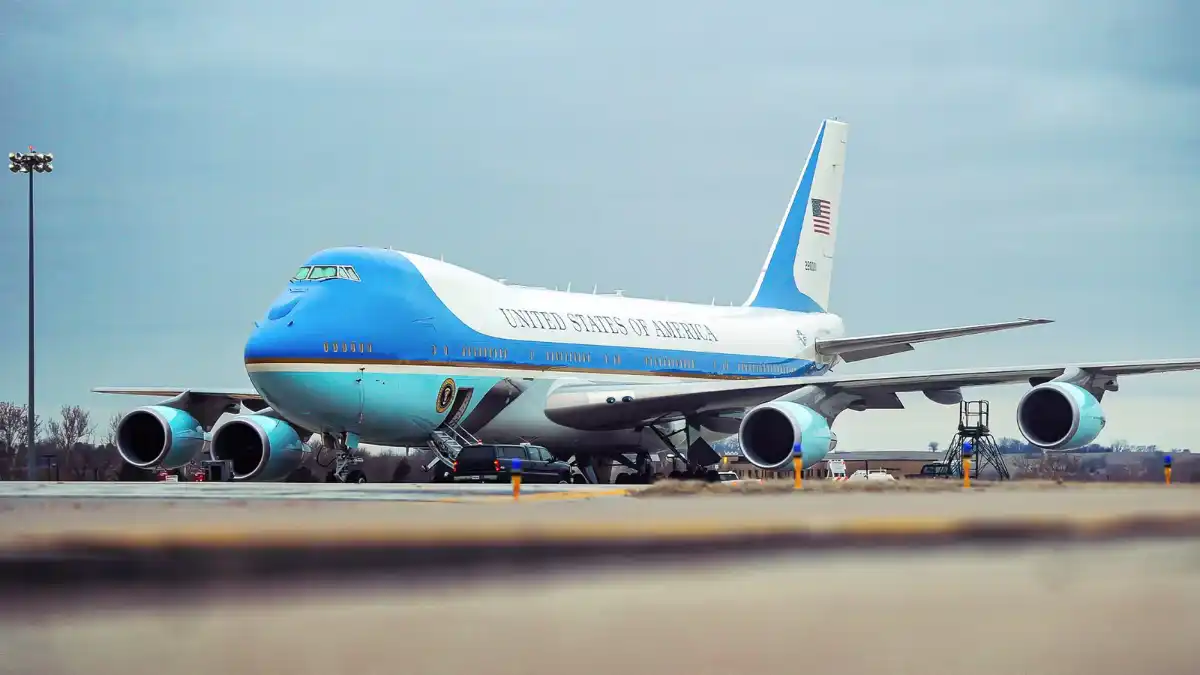
The idea that a pilot flying Air Force One earns dramatically less than a senior captain flying a commercial widebody aircraft often surprises aviation enthusiasts. The aircraft carrying the President of the United States represents the highest level of prestige and responsibility in aviation, yet the pilots behind the controls are not paid according to the fame of the aircraft. A highly experienced Air Force One pilot may earn around $215,000 in total compensation, while a senior captain at one of the major U.S. airlines can approach or exceed $480,000 annually.
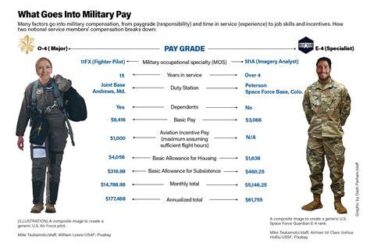
The difference comes down to the fundamental way military and commercial aviation careers are structured. Air Force One pilots are United States Air Force officers, meaning their compensation is determined by military rank, years of service, allowances, and bonuses. Commercial airline pilots, meanwhile, are employees whose pay is negotiated through labor contracts and primarily driven by seniority, aircraft assignment, and flight hours.
The comparison reveals a larger issue facing the U.S. military aviation community. Training a military pilot can cost millions of dollars, especially for advanced aircraft, but commercial airlines can offer significantly higher salaries once those pilots reach the senior captain level. The competition between military aviation and commercial aviation has become one of the biggest personnel challenges facing the Air Force.
Air Force One Pilots Do Not Receive a Special Presidential Aircraft Salary
One of the biggest misconceptions about Air Force One pilots is that they receive a unique salary because they fly the aircraft used by the President. In reality, the U.S. Air Force does not have a separate “Air Force One pilot pay scale.” The pilots assigned to presidential transportation are paid according to their military rank and years of service, just like other commissioned officers.
The pilots belong primarily to the 89th Airlift Wing, headquartered at Joint Base Andrews in Maryland. This unit operates the aircraft used for the President, Vice President, cabinet officials, and other senior government leaders. Although flying the presidential aircraft requires exceptional skill, security clearance, judgment, and experience, the mission itself does not automatically create a higher salary category.
A pilot flying the VC-25A, the current version of Air Force One, or the newer VC-25B “Bridge” aircraft receives the same basic military compensation structure as another officer of equal rank. A Colonel assigned to Air Force One does not earn more base pay simply because the aircraft has worldwide recognition.
Instead, compensation depends on factors such as officer rank, years of commissioned service, aviation bonuses, housing allowances, and other benefits. The aircraft may be extraordinary, but the paycheck follows the military system.
Why Air Force One Pilots Are Among the Most Experienced Military Aviators
Although Air Force One pilots do not receive a special salary, they are generally among the most senior pilots in the Air Force. The responsibility of transporting the President requires years of operational experience, leadership ability, and a spotless professional record.
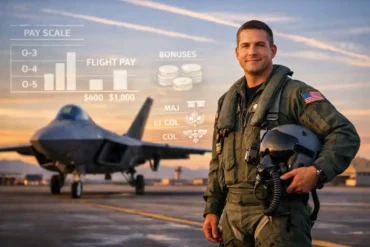
Most pilots assigned to the presidential airlift mission are typically Lieutenant Colonels or Colonels. These ranks are considerably more senior than many pilots flying operational missions in fighter squadrons or transport units. A fighter pilot may fly combat missions as a Captain or Major, while Air Force One pilots usually reach higher leadership levels before joining the presidential mission.
A Lieutenant Colonel with extensive service may receive a combination of base pay, housing allowance, aviation retention incentives, and other benefits that bring total compensation into the approximate range of $200,000 to $250,000. A Colonel with additional years of service may exceed that amount.
However, the important point is that the income comes from reaching a senior military rank, not from flying the most famous aircraft in the world. The Air Force could assign that same Colonel to another senior aviation position, and the pay structure would remain largely similar.
The Role of the 89th Airlift Wing and Presidential Airlift Mission
The 89th Airlift Wing is one of the most recognizable units in the United States Air Force because of its connection to presidential travel. Based at Joint Base Andrews, the wing provides what the military calls Special Air Mission transportation.
Its mission extends beyond moving the President. The unit supports the Vice President, cabinet members, senior government officials, and important national security operations. The aircraft fleet includes specialized versions of Boeing and Gulfstream aircraft designed for secure, long-range government transportation.
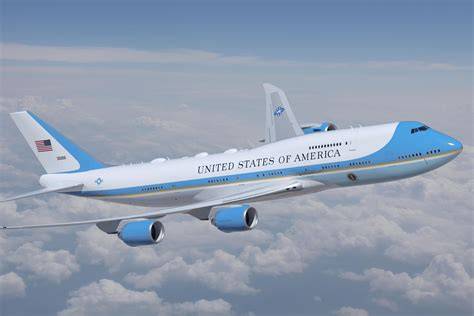
The most visible aircraft are the VC-25A aircraft, widely known as Air Force One whenever the President is onboard. The future fleet also includes the VC-25B aircraft, based on the Boeing 747-8 platform, which will eventually replace the older presidential jets.
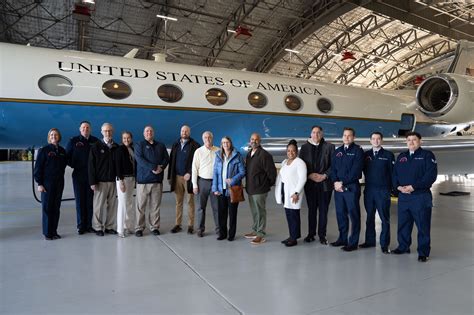
The pilots selected for this mission must demonstrate exceptional professionalism because every flight involves security considerations, complex international operations, and constant public attention. However, the military views this assignment as a prestigious duty rather than a separate commercial-style career path.
Why Big Three Widebody Captains Can Earn Around $480K
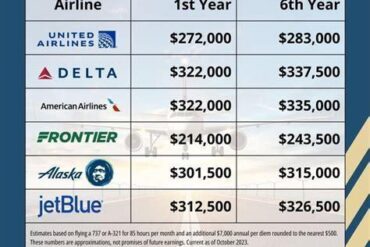
The situation is very different at the largest U.S. airlines. Captains flying widebody aircraft for Delta Air Lines, American Airlines, and United Airlines can earn compensation levels far beyond most military pilots.
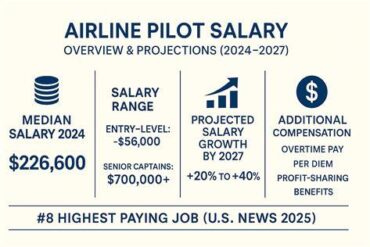
Senior widebody captains at these airlines can routinely earn $400,000 or more per year, with the highest-paid pilots approaching or exceeding $500,000 depending on contract rates, overtime, premium flying, and other compensation factors.
Commercial airline pay is built around a seniority system. Pilots do not simply receive higher salaries because they fly a larger aircraft, but senior pilots usually gain access to premium positions such as Boeing 777, Boeing 787, Airbus A350, or Airbus A330 captain roles.
A widebody captain represents the highest operational position in airline flying. They command aircraft carrying hundreds of passengers across oceans, manage complex international operations, and accumulate decades of experience. Their compensation reflects both market demand and the shortage of highly qualified airline pilots.
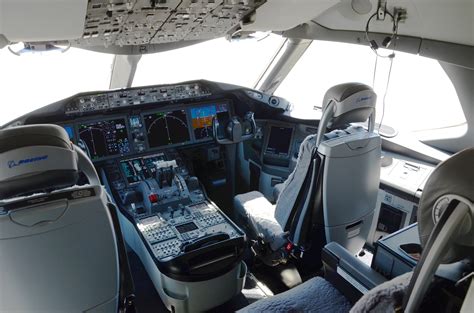
The Big Three Airlines Operate Some of the World’s Largest Widebody Fleets
The three largest U.S. legacy carriers have built extensive international networks supported by large widebody fleets.
Delta Air Lines operates a major widebody fleet including aircraft such as the Airbus A330, Airbus A350, and Boeing 767 family. The airline continues investing in long-range aircraft as international travel demand expands.
American Airlines operates a widebody fleet centered around Boeing 777 and Boeing 787 aircraft. Its long-haul network connects the United States with major destinations across Europe, Asia, and South America.
United Airlines operates one of the largest widebody fleets in the world, including Boeing 787 Dreamliners, Boeing 777s, and Boeing 767s. Its global route network creates significant demand for experienced international captains.
These airlines pay experienced pilots according to negotiated contracts. A captain at the top of the pay scale flying long-haul missions can earn multiples of what many military pilots receive.
Military Service Offers Benefits That Commercial Airlines Cannot Match
Comparing salary alone does not tell the complete story. Military aviation compensation includes benefits that are difficult to measure purely in annual income.
One of the most significant advantages is the military retirement system. An Air Force pilot who completes 20 years of service can qualify for an immediate lifetime pension, often while still young enough to begin a second aviation career.
This creates a unique financial pathway. A military pilot may retire in their late 30s or early 40s, receive retirement payments, and then join a major airline. That individual can potentially earn a commercial pilot salary while also receiving military retirement benefits.
Commercial airline pilots generally do not receive the traditional pension systems that existed decades ago. Instead, airlines contribute to retirement accounts such as 401(k)-style plans. While these programs can be valuable, they do not provide the same guaranteed lifetime income structure as a military pension.
For many pilots, the decision between military and airline aviation is not simply about salary. It involves career stability, retirement security, lifestyle, family considerations, and personal goals.
Why the Air Force Still Struggles to Retain Experienced Pilots
The large pay gap between senior military pilots and airline captains has created ongoing challenges for the Air Force. After spending years training highly skilled aviators, the military often loses experienced pilots to commercial carriers offering significantly higher compensation.
A military pilot may spend years developing expertise in advanced aircraft operations, leadership, and mission planning. Once that pilot reaches a level of experience attractive to airlines, commercial operators are ready to offer competitive packages.
The Air Force has attempted to address this issue through retention bonuses and other incentives. However, government compensation systems cannot easily compete with the earning potential of private companies.
The challenge is especially significant because military aviation requires a long investment before a pilot becomes fully experienced. Losing a senior aviator means losing not only a pilot but also an instructor, leader, and mentor for younger generations.
The Real Difference Between Air Force One Pilots and Airline Captains
The comparison between Air Force One pilots earning around $215,000 and Big Three widebody captains earning around $480,000 highlights two completely different aviation worlds.
Air Force One pilots represent national service, military professionalism, and responsibility at the highest level of government operations. Their compensation is tied to rank and service rather than aircraft prestige.
Commercial widebody captains represent the peak of civilian aviation compensation. Their salaries reflect decades of experience, union contracts, aircraft responsibilities, and the economics of global airline operations.
The surprising truth is that the pilot sitting behind the controls of the world’s most famous aircraft may not be the highest-paid pilot in the sky. In aviation, prestige and compensation often follow different paths. The Air Force rewards service and leadership, while airlines reward seniority and market value.
Both careers demand exceptional skill, discipline, and commitment. The difference is that one flies for national duty, while the other operates within a highly competitive commercial marketplace.