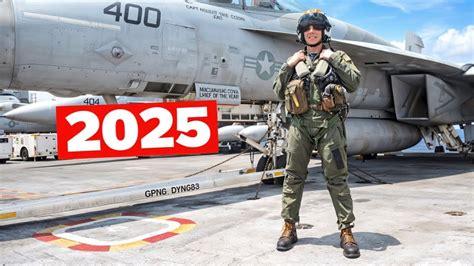
When people compare military pilot salaries, it is easy to assume that helicopter pilots across every branch of the US Armed Forces receive identical compensation because they all operate under the same military pay system. While that assumption is partially true, the reality is considerably more nuanced. US Army helicopter pilots generally earn between $60,000 and $90,000 annually, while US Navy helicopter pilots often receive between $100,000 and $150,000 per year in 2026. The gap is not created by different military pay tables but by the distinct career structures, rank requirements, bonuses, and long-term incentives that define each service.
Understanding why this salary difference exists requires looking beyond simple base pay. Military compensation includes housing allowances, flight incentive pay, hazardous duty pay, retention bonuses, deployment benefits, and career progression. Once these factors are combined, Navy helicopter pilots frequently enjoy higher total earnings despite operating under the same Department of Defense compensation framework.
For prospective military aviators, the comparison extends beyond salary alone. Career longevity in the cockpit, leadership responsibilities, educational requirements, deployment lifestyles, and promotion pathways all influence lifetime earnings and professional satisfaction.
Why US Navy Helicopter Pilots Typically Earn More Than Army Aviators
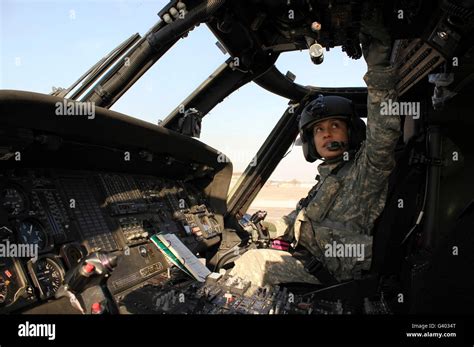
The biggest reason behind the salary difference is surprisingly straightforward: the Navy only designates commissioned officers as pilots, while the Army allows many helicopter pilots to become aviators through the Chief Warrant Officer pathway.
Because commissioned officers begin their careers on a higher pay scale, Navy helicopter pilots generally start with greater earning potential. Army aviation, meanwhile, relies heavily on Warrant Officers, whose primary responsibility is technical expertise and flight operations rather than command leadership.
This distinction creates different salary averages even though identical military pay charts apply across every branch. If an Army commissioned officer and a Navy commissioned officer hold the same rank, possess the same years of service, and receive identical aviation qualifications, their base salaries are effectively the same. The overall difference appears because a much larger percentage of Army helicopter pilots belong to the warrant officer ranks.
The Army’s structure intentionally emphasizes aviation expertise, allowing Warrant Officers to remain career pilots throughout much of their military service. The Navy instead develops officers who gradually transition from cockpit duties toward leadership and command positions.
Understanding Military Base Pay in 2026
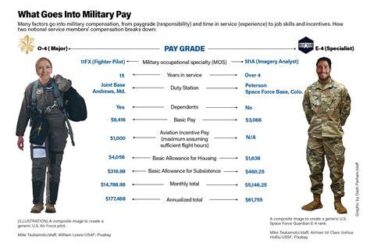
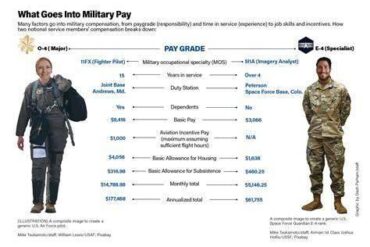
Military pay begins with rank and time in service. Every member of the Armed Forces receives compensation according to standardized Department of Defense pay tables regardless of branch.
For helicopter pilots, average annual earnings generally fall within these ranges:
- US Army Helicopter Pilots: approximately $60,000–$90,000
- US Navy Helicopter Pilots: approximately $100,000–$150,000
These figures include more than basic salary. They reflect the combination of:
- Basic military pay
- Aviation incentive pay
- Basic Allowance for Housing (BAH)
- Deployment compensation
- Hazardous duty pay
- Family separation allowances
- Career retention incentives
Location also plays a major role. A pilot stationed near expensive metropolitan areas receives significantly larger housing allowances than one assigned to installations with lower living costs.
Housing Allowances Add Thousands of Dollars Every Year
One of the largest components of military compensation is the Basic Allowance for Housing (BAH).
Unlike base salary, BAH depends primarily on geographic location rather than occupation. A helicopter pilot stationed near Washington, San Diego, Honolulu, or other high-cost regions receives substantially larger monthly housing payments than someone assigned to lower-cost locations.
Housing allowances help military personnel pay for rent or mortgage expenses without those payments being subject to federal income tax in many situations, increasing their effective purchasing power.
Additional compensation may also include:
- Family Separation Allowance
- Hazardous Duty Incentive Pay
- Combat zone tax benefits
- Overseas Cost of Living Allowances
- Temporary duty travel reimbursements
These supplemental payments can significantly increase annual compensation during deployments.
Aviation Incentive Pay Rewards Flying Experience
Every military aviator receives additional compensation simply for maintaining flying status.
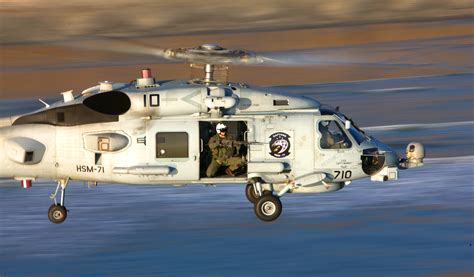
Known as Aviation Career Incentive Pay (ACIP) in the Army and Aviation Incentive Pay (AVIP) in the Navy, this monthly payment increases with years of aviation service.
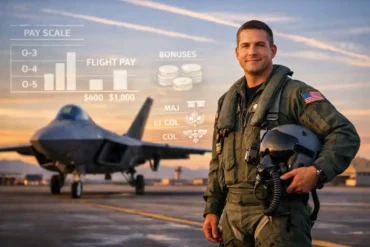
Pilots typically begin receiving around $125 per month early in their flying careers. As experience grows, aviation incentive pay steadily rises until reaching approximately $1,000 per month after roughly ten years of aviation service.
Although both branches use similar incentive structures, an important distinction exists.
Army Chief Warrant Officers generally remain active pilots throughout nearly their entire careers. Since flying remains their primary responsibility, they often continue collecting aviation incentive pay until retirement.
Navy helicopter pilots, however, frequently leave operational flying assignments after advancing into senior leadership positions. Once officers transition into command or administrative roles that no longer require regular flying, aviation incentive pay may eventually stop.
Ironically, while Navy pilots usually earn more overall, Army Warrant Officers may collect flight pay over a much longer portion of their careers.
Why Navy Retention Bonuses Are Significantly Larger
Retention bonuses represent one of the most dramatic financial differences between Army and Navy helicopter pilots.
Military aviation continues facing intense competition from commercial airlines, which regularly recruit experienced military pilots with attractive salaries and predictable schedules.
To encourage experienced aviators to remain in uniform, both services offer retention bonuses after initial service commitments expire.
For Navy helicopter pilots:
- Eligible after approximately 12 years of service
- Up to $35,000 annually
- Five-year contracts
- Maximum value around $175,000
- Approximately half may be paid upfront as a lump sum
Army helicopter pilots also qualify for retention incentives, but maximum awards are generally lower:
- Up to $25,000 annually
- Maximum contract length typically three years
- Total potential value approximately $75,000
This difference alone can create a six-figure earnings advantage over the middle portion of a military career.
Educational Requirements Shape Career Paths
One reason Army aviation attracts many applicants is its relatively accessible entry pathway.
The Army allows qualified candidates to become helicopter pilots without first earning a bachelor’s degree through the renowned Warrant Officer Flight Training (WOFT) program.
This unique system enables motivated applicants to begin aviation careers much earlier than their counterparts entering other branches.
The Navy follows a much different model.
Every Navy pilot must first become a commissioned officer. Candidates generally complete one of several commissioning programs, including:
- Officer Candidate School
- Reserve Officer Training Corps (ROTC)
- United States Naval Academy
A four-year bachelor’s degree is normally required before entering flight training.
Although the Navy pathway demands more education upfront, it also places graduates into officer pay grades with correspondingly higher long-term earnings.
Flight Training Pipelines Are Similar but Not Identical
Despite differing entry requirements, both branches invest enormous resources into producing qualified helicopter pilots.
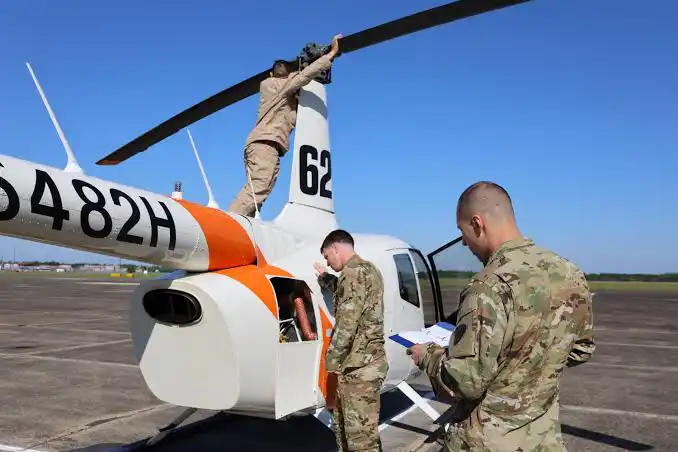
Army aviation training begins with foundational flight instruction before transitioning into advanced aircraft qualification for operational helicopters such as the UH-60 Black Hawk, AH-64 Apache, or CH-47 Chinook.
Navy student aviators similarly complete primary flight training before specializing in rotary-wing aircraft. However, after earning their Wings of Gold, they typically continue into Fleet Replacement Squadrons where they receive aircraft-specific instruction lasting another six to nine months.
Both pipelines generally require more than one year of intensive aviation training after initial military education.
Weather delays, aircraft availability, instructor staffing, and operational requirements frequently extend graduation timelines.
Flying Hours Differ Throughout a Career
One overlooked factor influencing military aviation careers is actual cockpit time.
Army Warrant Officers spend much of their professional lives flying aircraft. Their technical specialization allows many to accumulate between 150 and 220 flight hours annually, resulting in 2,000 to 3,000 flight hours over a 20-year career.
Navy helicopter pilots usually log fewer hours.
Fleet deployments, administrative responsibilities, leadership duties, and staff assignments gradually reduce flying opportunities after initial operational tours.
Many Navy helicopter pilots average roughly 100 to 150 annual flight hours, with cockpit time decreasing substantially after promotion into senior officer positions.
For pilots whose primary passion is flying rather than command leadership, Army aviation often provides considerably more sustained flight experience.
Daily Life Looks Very Different Between Army and Navy Pilots
Compensation tells only part of the story.
Army helicopter pilots primarily support ground combat operations. Their missions often involve troop transport, medical evacuation, reconnaissance, cargo delivery, air assault operations, and close coordination with soldiers in austere field environments.
Many operations originate from temporary forward bases, remote landing zones, and rugged terrain where helicopters provide mobility unavailable through ground transportation.
Navy helicopter pilots experience an entirely different operational environment.
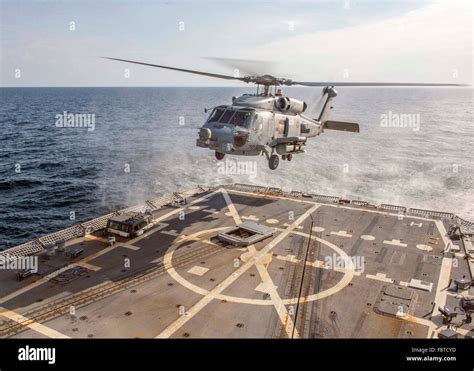
Most deploy aboard destroyers, cruisers, amphibious assault ships, or aircraft carriers. Instead of supporting ground maneuver units, they perform anti-submarine warfare, anti-surface warfare, search and rescue, logistics, special operations support, and maritime surveillance.
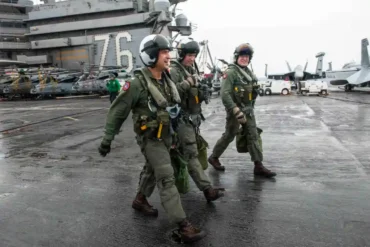
Perhaps the most technically demanding skill every Navy helicopter pilot develops is landing safely on the constantly moving flight deck of a ship at sea. Wind, darkness, rough weather, and ocean swells combine to create one of military aviation’s most challenging routine operations.
Career Progression Influences Lifetime Earnings
Army aviation emphasizes technical mastery.
Chief Warrant Officers spend much of their careers refining tactical flying skills while remaining directly involved in aviation operations.
Navy officers gradually transition toward increasingly significant leadership positions. Squadron administration, operational planning, personnel management, and command responsibilities become larger portions of their professional lives.
As responsibilities expand, so does compensation.
Higher officer ranks naturally receive larger salaries, helping explain why Navy helicopter pilots generally maintain stronger earning potential over an entire military career despite flying fewer hours later in service.
Which Military Aviation Career Offers Better Value?
Choosing between Army and Navy aviation ultimately depends on personal priorities rather than salary alone.
Those seeking maximum lifetime earnings may find the Navy especially attractive because of its officer pay structure, generous retention bonuses, and broader promotion opportunities.
Applicants whose passion centers on flying helicopters as much as possible may prefer Army aviation. The Warrant Officer system enables pilots to remain in operational cockpits for decades while accumulating thousands of flight hours that are valuable for both military expertise and post-service civilian aviation careers.
Both branches provide world-class flight training, exceptional benefits, comprehensive healthcare, retirement opportunities, education assistance, and access to some of the most advanced rotary-wing aircraft in the world.
Final Thoughts
Although US Army and US Navy helicopter pilots technically operate under the same military pay system, their total compensation differs considerably because of organizational structure rather than unequal pay tables. Army helicopter pilots usually earn between $60,000 and $90,000 annually, while Navy helicopter pilots commonly receive $100,000 to $150,000 when salary, allowances, aviation pay, and bonuses are combined.
The Army offers an aviation career centered on technical flying expertise through its Chief Warrant Officer program, allowing pilots to remain in the cockpit for much of their careers. The Navy, by contrast, develops commissioned officers who balance aviation with leadership responsibilities, resulting in higher average compensation, larger retention bonuses, and greater long-term officer pay.
For aspiring military aviators in 2026, the decision is less about which branch pays more and more about which career path aligns with long-term goals. Whether supporting soldiers over the battlefield in a Black Hawk or landing an MH-60 Seahawk on the pitching deck of a destroyer in heavy seas, both Army and Navy helicopter pilots serve in demanding professions that require exceptional skill, discipline, and dedication.