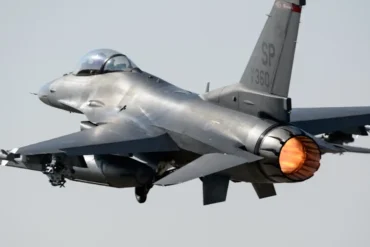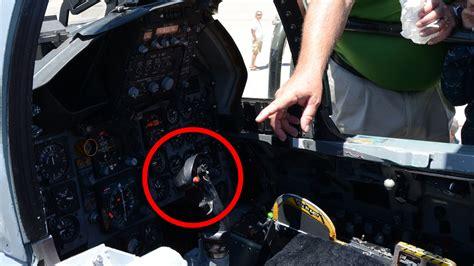
Modern fighter jets are packed with advanced controls designed for speed, precision, and combat effectiveness. Among the many switches and buttons inside the cockpit, one small red control has gained unusual attention: the “pickle” button. Despite its unusual name, this button plays a critical role in military aviation because it allows pilots to release weapons during combat missions.
The pickle button is usually located on the flight control stick, positioned where a pilot’s thumb can easily reach it without removing a hand from the controls. On many U.S. Air Force fighter aircraft, pressing this button commands the aircraft’s weapons system to release a selected weapon, such as a bomb, missile, or other external store. The pilot typically uses it after completing a carefully calculated attack sequence involving targeting systems, flight parameters, and weapon settings.
Why Fighter Pilots Call It the Pickle Button
The word “pickle” has a long and unusual history in military aviation. While the everyday meaning refers to a preserved cucumber, the aviation term comes from older military slang connected with releasing weapons. Pilots often use “pickle” as both a noun and a verb. A pilot may say “pickle” when releasing a weapon, while “pickling a bomb” means dropping or launching that weapon toward a target.
The expression is believed to have roots in early military terminology. During the early 20th century, sailors sometimes referred to torpedoes as “pickles” because of their shape. Similar expressions, including “tin pickle,” were also used for submarines and other naval equipment. Over time, the word moved into aviation language and became associated with weapon deployment.
The Role of the Pickle Button in Modern Combat Aircraft
In a modern fighter jet, the pickle button is not simply a mechanical release switch. It is connected to a complex network of avionics, sensors, and weapon-control computers. Before the button becomes effective, the aircraft must confirm that the weapon has been properly selected and that launch or release conditions have been satisfied.
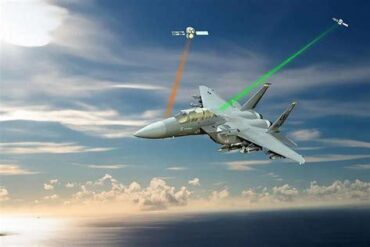
For example, when dropping a guided bomb, a pilot may rely on radar, infrared sensors, GPS guidance, or targeting pods to identify and track the target. The aircraft’s computer calculates important factors such as altitude, speed, distance, and release timing. Once the system determines that the attack conditions are correct, the pilot presses the pickle button to authorize the weapon release.
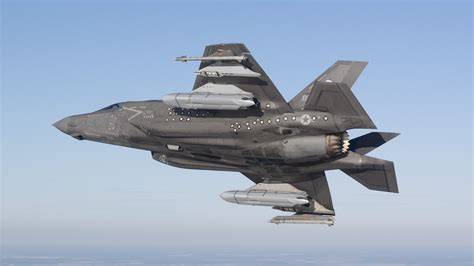
From World War II Bombing to Today’s Fighters
The history of the term is closely connected to the evolution of precision bombing. During World War II, the U.S. military developed advanced aiming technology, including the highly classified Norden bombsight, which was designed to improve bomber accuracy. Public descriptions of the system sometimes exaggerated its precision, creating stories that pilots could supposedly drop bombs into extremely small targets from thousands of feet above.
The phrase “picklebarrel bombing” later appeared in U.S. military terminology to describe highly accurate bombing techniques. By the modern era, “pickle” had become an established part of fighter pilot language and training materials.
Why a Simple Button Remains Important
Although fighter aircraft now use highly advanced computers and automated systems, the pickle button remains a vital connection between the pilot and the weapon system. It represents the final human decision before a weapon is released.
In combat, that small red button carries enormous responsibility. A pilot must evaluate threats, confirm targets, and understand the consequences of every action before pressing it. The pickle button may be physically small, but it represents one of the most important controls inside a fighter jet cockpit.