In the world of modern aviation, Automatic Dependent Surveillance – Broadcast (ADS-B) is an essential system that plays a crucial role in ensuring air safety, improving efficiency, and reducing operational costs. As air traffic continues to increase globally, understanding how ADS-B functions is becoming increasingly important for aircraft operators, air traffic controllers, and aviation enthusiasts alike. In this article, we will delve into the mechanics of ADS-B, its benefits, and the factors contributing to its growing significance in the aviation sector.
What Is ADS-B?
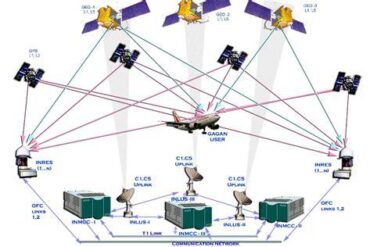
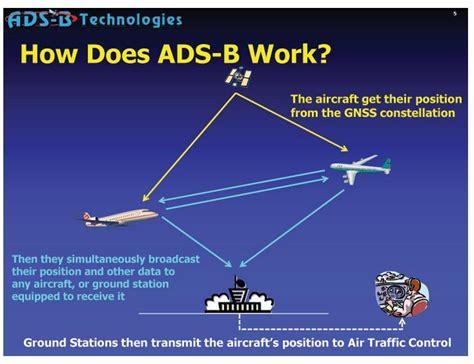
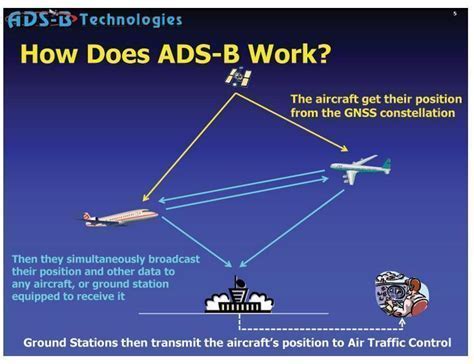
ADS-B, or Automatic Dependent Surveillance – Broadcast, is an advanced surveillance technology that enables aircraft to automatically transmit their position, altitude, velocity, and other crucial information without the need for manual input from the pilot. Unlike radar-based systems, ADS-B is a satellite-based system that uses Global Navigation Satellite Systems (GNSS) to track aircraft in real time. This transmission of data is crucial for maintaining air traffic control and ensuring the safety of airspace operations.
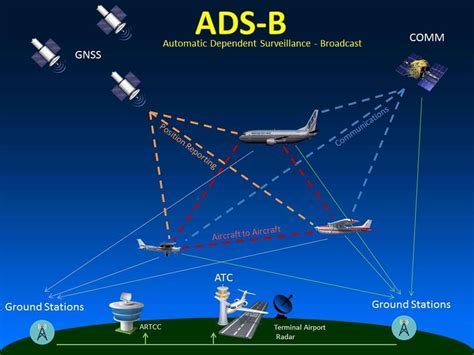
The mechanics of ADS-B are centered around two primary components: the ADS-B Out and ADS-B In systems. Aircraft equipped with ADS-B Out send out periodic data transmissions containing position, altitude, velocity, and callsign, utilizing the 1090 MHz frequency. These transmissions are then received by ground stations, satellites, and other aircraft that are equipped with ADS-B In capabilities.
The data broadcast by ADS-B includes detailed information such as the aircraft’s exact location and its velocity vectors. Air traffic controllers and other aircraft equipped with ADS-B In can receive and use this data for real-time tracking, allowing for safer and more efficient airspace management.
ADS-B operates on two primary frequencies: 1090 MHz and 978 MHz. 1090 MHz is the internationally approved frequency for Mode-S transponders that broadcast ADS-B Out data. However, in certain airspaces, particularly in the United States, 978 MHz is used, especially for general aviation aircraft flying below 18,000 feet above mean sea level (MSL). This frequency range is also known as the Universal Access Transceiver (UAT).
Why Is ADS-B Important?
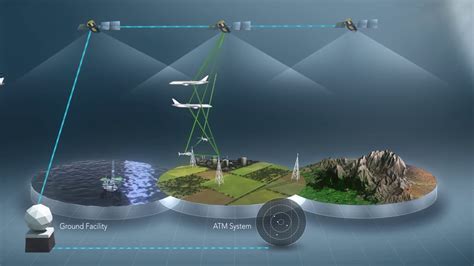
ADS-B is fast becoming an indispensable part of the global aviation system. It offers several significant advantages over traditional radar and multilateration systems, including enhanced visibility, greater coverage, and lower implementation costs. One of the key benefits of ADS-B is its ability to function independently of line-of-sight limitations, unlike radar, which cannot penetrate solid objects or operate over vast bodies of water. Satellite-based ADS-B receivers can provide continuous, global coverage, ensuring aircraft are tracked even in remote or difficult-to-reach regions such as oceans or mountainous terrain.
Furthermore, ADS-B is more cost-effective compared to traditional radar systems. It reduces the need for expensive ground-based radar infrastructure and enables global surveillance coverage with a combination of ground-based receivers and satellites. Given that 71% of the Earth’s surface is water and 25% is mountainous terrain, ADS-B’s ability to operate across these areas represents a monumental leap forward in global aviation safety and efficiency.
Key Benefits of ADS-B
The advantages of ADS-B are numerous, particularly in terms of improving situational awareness and efficiency in the airspace. The most notable benefits include:
- Real-time tracking: ADS-B provides continuous, real-time data on aircraft position, velocity, and other important parameters.
- Enhanced safety: ADS-B helps pilots and air traffic controllers monitor other aircraft, weather conditions, and potential obstacles, improving overall safety.
- Cost-efficiency: Implementing ADS-B systems is significantly less expensive compared to traditional radar-based systems.
- Global coverage: The satellite-based nature of ADS-B allows for global coverage, even in regions that are difficult to reach by radar.
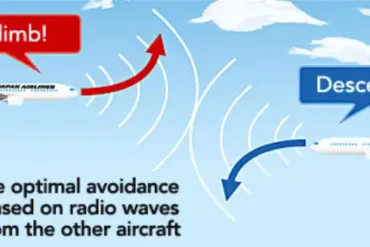
- Air-to-air applications: ADS-B enables aircraft to communicate directly with each other, allowing for more precise and efficient spacing between aircraft.
Cost and Implementation
One of the most significant advantages of ADS-B technology is its cost-effectiveness. Traditional radar systems are expensive to maintain and operate, especially in remote areas. In contrast, ADS-B leverages a combination of ground-based and satellite receivers that offer global coverage at a fraction of the cost. This economical approach allows for broader deployment and better surveillance capabilities worldwide.
The implementation of ADS-B has already begun in many regions, and with growing regulatory pressure, it is expected to become the norm across the aviation industry. The cost savings associated with implementing ADS-B, combined with its ability to provide uninterrupted global coverage, makes it an attractive solution for aviation stakeholders worldwide.
The Role of TIS-B and FIS-B in Enhancing ADS-B Utility
In the U.S., ADS-B extends its capabilities through Traffic Information Service–Broadcast (TIS-B) and Flight Information Service–Broadcast (FIS-B):
- TIS-B: Provides non-ADS-B equipped aircraft’s traffic information to ADS-B IN users.
- FIS-B: Delivers weather updates and aeronautical information directly into cockpits.
These services, particularly on the 978MHz UAT frequency, make critical information more accessible to general aviation pilots, leveling the playing field between commercial and private aviation sectors.
The Future of ADS-B in Global Aviation
ADS-B is not just a tool for improving air traffic management but is also paving the way for more efficient flight routes. In regions such as Australia and the North Atlantic, reduced aircraft separation is being tested, allowing for more optimal and cost-effective flight routes. If these tests prove successful, ADS-B will enable smaller separation distances, leading to better fuel efficiency, fewer emissions, and increased air traffic capacity.
Implementing ADS-B: Regulatory Requirements
As of June 2020, ADS-B became a mandatory system for aircraft operating in European and U.S. airspace. The regulations require aircraft that have a Maximum Takeoff Mass (MTOM) greater than 5,700 kg or a Maximum True Airspeed (TAS) greater than 250 knots to be equipped with Mode S Enhanced Surveillance and ADS-B Out systems. These regulations ensure that aircraft can broadcast their position to ground stations and other aircraft, helping air traffic controllers maintain safe and efficient air traffic flow.
For aircraft to use ADS-B, they must be equipped with an ADS-B Out system that allows the transmission of data. To receive data, aircraft also need ADS-B In capabilities, which enable them to access critical information such as weather conditions, nearby aircraft, and potential hazards.
How Spire Can Assist with ADS-B Data
As a provider of global flight tracking data, Spire offers access to both historical and real-time flight and weather data to support aviation operations. With satellite-based ADS-B receivers, Spire can capture data in remote areas, including over large bodies of water and mountainous regions, where traditional terrestrial-based systems struggle to provide coverage.
Spire’s global coverage ensures that aviation businesses can make faster, more informed decisions with access to accurate and reliable data. Through Spire’s flight tracking APIs, aviation professionals can seamlessly integrate ADS-B data into their workflows, gaining insights into air traffic operations on a global scale.
Conclusion
In conclusion, ADS-B represents a transformative leap in aviation surveillance technology. With its ability to provide global coverage, real-time tracking, and cost-effective implementation, it is rapidly becoming the gold standard for modern air traffic management. As the aviation industry continues to evolve, ADS-B is set to play an even more critical role in enhancing safety, improving operational efficiency, and reducing environmental impact.
As we transition towards a more connected and optimized airspace, ADS-B will be at the forefront, ensuring that aircraft are safely and efficiently tracked, no matter where they are in the sky. Its ability to function seamlessly across challenging terrain and provide global coverage makes it the future of airspace surveillance.