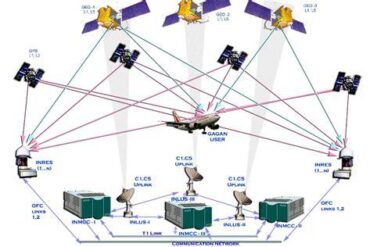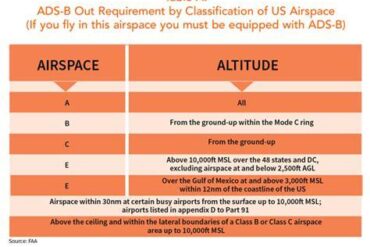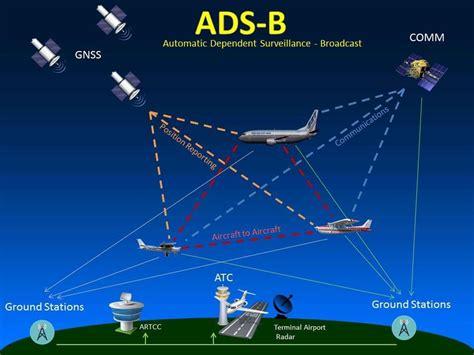
Automatic Dependent Surveillance–Broadcast Out (ADS-B Out) represents one of the most transformative evolutions in modern air traffic surveillance. As nations phase out traditional radar systems, ADS-B Out is rapidly becoming the global standard for aircraft positioning and tracking. By broadcasting an aircraft’s identification, GPS-derived position, altitude, and velocity, ADS-B Out offers unparalleled accuracy and operational efficiency.
ADS-B Out is part of a broader surveillance framework that includes ADS-B In, which allows aircraft to receive information from other nearby ADS-B-equipped aircraft. However, ADS-B Out remains the regulatory cornerstone—a mandated broadcast solution designed to modernize how air traffic control (ATC) manages increasingly congested skies.
What Is ADS-B Out and How Does It Work?
At its core, ADS-B Out transmits critical flight data from aircraft to ground stations and other nearby aircraft. Unlike radar, which relies on ground-based signal reflections to detect aircraft, ADS-B is “dependent” on onboard GPS for precise location data and is “broadcast” periodically without being interrogated, offering real-time tracking capabilities that radar cannot match.
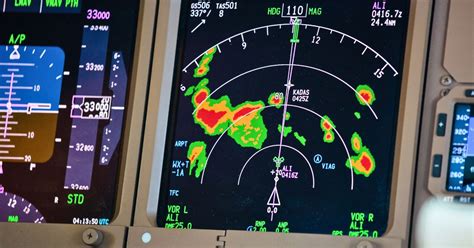
In the U.S., ADS-B Out transmissions occur on two frequencies:
- 1090 MHz (1090ES) – Primarily used by commercial aircraft and those flying above 18,000 feet. It extends Mode S transponders and is the global standard.
- 978 MHz (UAT) – Available only below 18,000 feet in the U.S. and includes additional data such as weather and traffic when paired with ADS-B In.
These transmissions use an extended squitter—a data packet that includes aircraft identity, position, intent, and more. By using WAAS-enabled GPS receivers, the system ensures three-dimensional accuracy that outperforms traditional radar limitations.
Global ADS-B Out Mandates: Who Requires It and When
The worldwide push for ADS-B Out compliance is not uniform, but most aviation authorities have now issued mandates, varying by aircraft type, altitude, and geographic region.
Some key examples include:
- United States: Mandatory as of January 1, 2020 for most controlled airspace.
- Europe: New aircraft over 5,700 kg or 250 knots cruise speed required ADS-B Out by January 8, 2016; existing aircraft by June 7, 2020.
- Australia: Required at or above FL 290 since December 12, 2013.
- China, Hong Kong, Singapore, Vietnam: Mandatory along designated performance-based navigation routes above FL 290.
- Canada, Fiji: Required for aircraft requesting operational benefits or within controlled airspace.
This global approach to implementation, while fragmented in timeline, clearly converges toward a future where ADS-B Out is non-negotiable for international operations.
Benefits of ADS-B Out Over Traditional Radar
The move to ADS-B Out is not just regulatory—it is fundamentally about enhancing the precision, coverage, and reliability of surveillance:
- Enhanced Accuracy: GPS-based tracking provides meter-level precision versus radar’s broader estimates.
- Real-Time Awareness: Frequent broadcasts allow near-instant updates on aircraft position and trajectory.
- Expanded Coverage: ADS-B allows surveillance in remote regions, such as oceans and mountainous areas, where radar is ineffective.
- Tighter Separation Standards: With more accurate position data, aircraft can be spaced more closely and safely, increasing airspace capacity.
- Reduced Costs: Unlike radar, ADS-B systems are less expensive to maintain and deploy, benefiting both authorities and operators.
Jake Biggs, Aftermarket Engineering Manager at Textron Aviation, emphasized the shift:
“ADS-B adds important information to help project and prevent traffic conflicts by estimating intent.”
The Technology Behind ADS-B Out
ADS-B Out is more than a plug-and-play system. It requires integration between aircraft GPS, transponders, and onboard avionics. The equipment needs vary depending on the aircraft’s age and current configuration.
Minimum equipment for ADS-B Out includes:
- WAAS-capable GPS receiver: Delivers the high-accuracy position data required.
- ADS-B Out compliant transponder: Either a 1090ES or UAT transceiver.
- Flight ID input capability: Ensures aircraft can broadcast their proper identity.
- Avionics software and hardware updates: Especially for data routing and control heads.
- Power and data interface upgrades: For aircraft not previously wired for such systems.
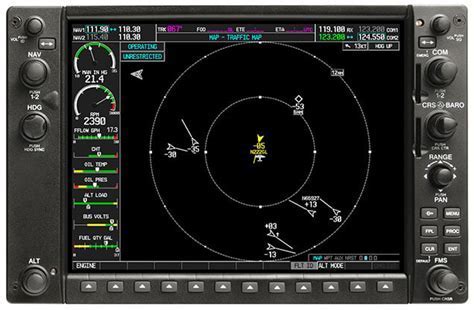
Aircraft previously compliant with RTCA DO-260A standards must now upgrade to RTCA DO-260B, the current version accepted by the FAA and EASA. This updated standard enables enhanced messaging for improved surveillance and intent estimation.
ADS-B In vs. ADS-B Out: What’s the Difference?
While ADS-B Out is mandatory, ADS-B In is optional—but highly valuable.
- ADS-B Out: Broadcasts aircraft data to ATC and other aircraft.
- ADS-B In: Receives data such as surrounding traffic, weather graphics, and pilot reports (when using UAT in the U.S.).
Aircraft equipped with ADS-B In can access graphical weather data, traffic awareness, and situational reports, improving flight safety, especially in poor visibility or remote areas.
Compliance Challenges and Upgrade Considerations
Implementing ADS-B Out is not without hurdles, particularly for older or highly integrated aircraft platforms. Some manufacturers, like Rockwell Collins, Garmin, and Honeywell, offer proprietary systems that may not easily integrate with third-party solutions. This often necessitates full-system upgrades, especially for business jets or legacy aircraft.
Biggs notes:
“The level of integration of avionics on some aircraft platforms almost makes discrete solutions impractical… best to schedule this with a significant maintenance event.”
Key upgrade steps include:
- Avionics assessment: Determine existing compatibility.
- Scheduling upgrades: Coordinate with regular inspections to reduce downtime.
- Vendor coordination: Ensure equipment and software come from approved OEMs.
- Budgeting: Costs can vary widely based on aircraft type and avionics complexity.

Planning is critical. Due to installation complexity and vendor lead times, service experts recommend scheduling upgrades well in advance.
ADS-B and the Future of Air Traffic Surveillance
ADS-B Out is more than a technical upgrade—it is the foundation for a next-generation surveillance ecosystem. As satellite-based navigation and performance-based flight paths become more prevalent, ADS-B lays the groundwork for integration with tools like TCAS, synthetic vision systems, and autonomous ATC operations.
Benefits expected in the future include:
- Global coverage through space-based ADS-B networks
- Data-sharing with other aircraft systems for route optimization
- Collision prevention with real-time intent prediction
- Decreased controller workload through automation
As aviation authorities, manufacturers, and operators align globally, ADS-B will drive safer, smarter, and more efficient skies.
Conclusion
ADS-B Out marks a significant leap in aviation surveillance technology, offering unmatched precision, reliability, and airspace efficiency. While its implementation varies globally, the trend is clear: compliance is not optional—it is inevitable. Operators must act decisively to upgrade avionics, schedule maintenance windows, and integrate their aircraft into the ADS-B ecosystem. As the aviation world embraces the digital era, ADS-B Out is the beacon lighting the way forward.
FAQs
Q1: Is ADS-B Out required on all aircraft?
Yes, in many jurisdictions. In the U.S., it’s required for most aircraft operating in controlled airspace as of January 1, 2020. Other countries have similar mandates with slight variations.
Q2: Can I install ADS-B In without ADS-B Out?
Yes, but it’s not practical. ADS-B In is optional, while ADS-B Out is mandatory. Installing both ensures full benefit from traffic and weather data services.
Q3: What happens if my aircraft is not compliant?
You may be restricted from operating in controlled or international airspace, reducing flexibility and increasing operational costs. Non-compliance could also impact resale value.
Q4: How much does an ADS-B Out upgrade cost?
Costs vary based on aircraft type and existing avionics. Basic upgrades start around $5,000, but high-end installations for jets may exceed $100,000.
Q5: Which transponder do I need—1090ES or UAT?
Use 1090ES if flying above 18,000 feet or outside the U.S. UAT is permitted only below 18,000 feet in the U.S. and supports free weather and traffic data with ADS-B In.
Q6: Can I delay my upgrade?
Delays are not advisable. Non-compliance restricts operations. It’s best to align the upgrade with scheduled maintenance for cost efficiency.