The global airline industry reached a historic milestone on July 23, 2026, as commercial aviation recorded its busiest day ever measured by flight activity. According to data from flight tracking platform Flightradar24, airlines operated and tracked 153,359 commercial flights within a single 24-hour period, highlighting the extraordinary scale of modern air travel during the peak Northern Hemisphere summer season.
The record-breaking figure reflects a combination of strong passenger demand, widespread holiday travel, and the continued expansion of global aviation networks. While airlines have faced challenges including fuel price volatility, geopolitical uncertainty, and operational pressures, travelers around the world continued to fill aircraft at one of the busiest times of the year.
Summer Travel Demand Pushes Global Aviation to Historic Levels
The final week of July is traditionally among the busiest periods for airlines, as millions of passengers take summer vacations across Europe, North America, and other major travel markets. The record set on July 23 demonstrated just how significant seasonal demand has become for the commercial aviation industry.
Flightradar24 confirmed that the 153,359 commercial flights tracked on that day represented the highest daily total in the platform’s history. The company noted that the last week of July often produces the strongest aviation activity of the year, and 2026 followed that familiar pattern with unprecedented traffic levels.
Air travel demand has remained resilient despite economic and operational challenges. Analysts have pointed to strong leisure travel trends as a major factor behind the surge, particularly in the Northern Hemisphere where families and tourists traditionally travel during the summer holiday period.
Airports across major regions prepared for intense activity, with aviation authorities expecting record passenger movements. In the United Kingdom, for example, regulators anticipated some of the busiest airport operations of the summer around the same period, reflecting broader global trends.
Qantas and Airbus Test Flight Became the Most Watched Journey
Among the more than 150,000 commercial flights operating that day, one aircraft captured unusual attention from aviation enthusiasts worldwide. The most tracked flight on Flightradar24 was the historic nonstop test mission conducted by Qantas and Airbus using the A350-1000ULR.
The ultra-long-range aircraft was completing a major milestone connected to Qantas’ ambitious Project Sunrise program, which aims to introduce some of the world’s longest nonstop passenger routes. The aircraft, registered as F-WULR, departed from Toulouse Blagnac Airport in France and flew directly to Melbourne Airport in Australia.
During the journey, the aircraft remained airborne for approximately 19 hours and 13 minutes, making it one of the longest commercial aircraft test flights ever monitored by aviation enthusiasts. At various points during the flight, around 9,000 users were tracking the aircraft simultaneously, demonstrating the enormous public interest surrounding ultra-long-haul aviation.
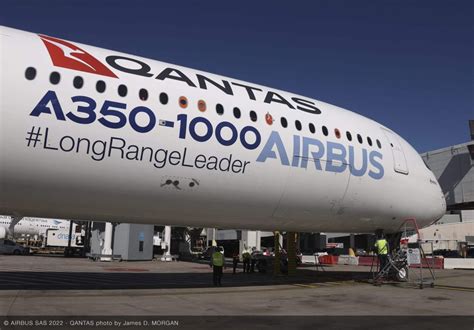
The aircraft departed Toulouse at 7:33 AM UTC on July 23 and arrived in Melbourne at 10:46 AM the following day. The return journey also attracted thousands of online followers as aviation fans watched the aircraft travel back toward Europe across the Pacific, North America, and the Atlantic.
The popularity of the flight showed that while thousands of aircraft operate every day, certain missions continue to capture global attention because they represent the future direction of aviation technology.
Total Aviation Activity Nearly Reached 300,000 Flights
While commercial airlines created the headline figure, the overall aviation picture was even larger. When general aviation, private aircraft, and military operations were included, Flightradar24 tracked a combined total of 287,364 flights on July 23, 2026.
This made the day the second busiest in the platform’s history for total aviation activity. The previous records were influenced by extremely high traffic levels in 2025, when total tracked flights exceeded the 200,000 mark multiple times.
The additional activity came partly from major aviation events taking place during the same period. Large airshows, including Farnborough International Airshow and Oshkosh aviation events, contributed significant numbers of private, demonstration, and specialized aircraft movements.

These events attract thousands of aviation professionals, aircraft operators, and enthusiasts, creating additional flight activity beyond normal airline operations. Demonstration flights, private aircraft movements, and visitor traffic all contribute to the broader aviation ecosystem tracked by global monitoring systems.
Aviation Growth Continues Despite Industry Challenges
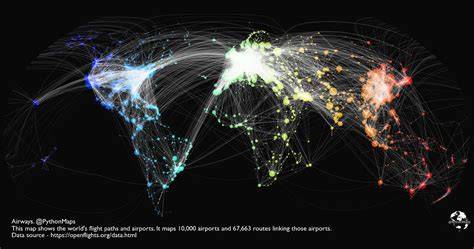
The record-breaking flight count reflects the remarkable scale that commercial aviation has reached. Modern airlines operate thousands of routes connecting cities across continents, supported by advanced aircraft technology, expanded airport infrastructure, and growing passenger demand.
However, the industry continues to face significant challenges. Airlines must manage rising operating costs, fuel price uncertainty, supply chain disruptions, and geopolitical risks while maintaining reliable schedules for millions of passengers.
Despite these pressures, the record of 153,359 commercial flights in one day demonstrates the continued strength of global air travel. As airlines expand networks and introduce longer-range aircraft such as the Airbus A350-1000ULR, future aviation records may continue to fall.
The achievement also highlights how interconnected the world has become. Every day, hundreds of thousands of flights carry passengers, cargo, and critical services across the planet, making aviation one of the most important systems supporting modern global society.