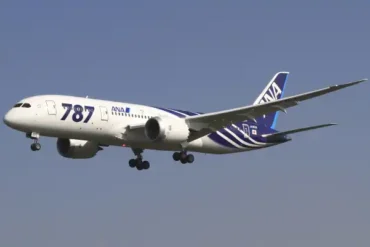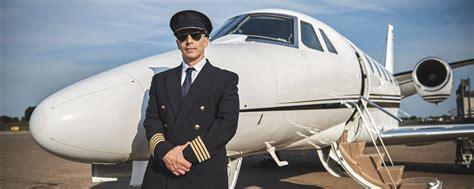
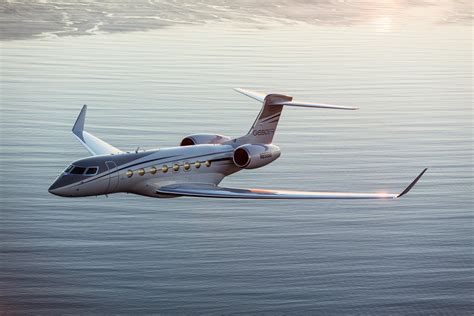
Private jet aviation and commercial airline operations may share the same skies, but the men and women who command these aircraft live very different professional lives. While both are highly trained aviators entrusted with human lives and millions of dollars in machinery, the divergence in their licensing, routines, clientele, and cockpit expectations sets them apart as distinctly as a Gulfstream G650 and a Boeing 787.
Licensing: The Foundational Split Between Private and Commercial Pilots
The first major distinction begins with the license itself. To fly a plane for compensation, a pilot must hold a Commercial Pilot License (CPL) at minimum. This contrasts with private aviation, where individuals holding a Private Pilot License (PPL) can operate aircraft non-commercially—meaning they cannot receive payment for their services.
Obtaining a PPL typically requires around 40 flight hours, including 20 hours of flight instruction and 10 hours of solo flying. While rigorous in its own right, the journey to a CPL is far more demanding. Candidates must log at least 250 hours of flight time, including night flying, cross-country flights, and instrument training, alongside passing a comprehensive written exam, oral test, and in-flight check ride.
The elite Airline Transport Pilot License (ATPL), which is necessary for major airline captains, raises the bar to 1,500 hours of logged flight time and significantly more intensive theoretical and simulator training.
Specialized Ratings and Career Tracks
Commercial and private pilots alike may add various ratings to their license, allowing them to fly specific types of aircraft or under certain conditions—such as instrument ratings (IFR) or multi-engine certifications (CMEL). However, commercial pilots, especially those aiming for airline jobs, typically undergo type-specific simulator training that’s either provided or mandated by an airline.
On the other hand, private jet pilots, particularly those operating aircraft like the Dassault Falcon 8X or Gulfstream G700, may fly for high-net-worth individuals, corporations, or charter companies. Many private jet captains also hold a CPL or even an ATPL, but their flight duties and environment differ profoundly. Unlike airline pilots who may specialize in one aircraft model for decades, private pilots often require flexibility, being typed on multiple business jets or adjusting frequently to newer technology as clients upgrade fleets.
Work Schedules: Predictability vs. Personalization
The work schedules of commercial airline pilots are often published weeks or months in advance, dictated by complex seniority-based systems, union regulations, and legal duty limits. A captain at Delta or Lufthansa knows when they’re flying, where they’re going, and how long they’ll be gone. Stability is baked into the job.
Contrast this with the life of a private jet pilot, whose calendar is a patchwork of client whims. These aviators are frequently on-call, sometimes receiving hours’ notice before a transcontinental flight. Their employers—often executives, celebrities, or VIP clients—require maximum discretion, flexibility, and availability. A pilot could spend three nights in the Maldives one week and be rerouted to Davos the next.
Passenger Interaction: Detached vs. Direct
One of the more humanizing differences lies in passenger interaction. Airline pilots may carry hundreds of passengers on each flight, but they rarely meet anyone other than the lead flight attendant. Communication is formal, procedural, and distant.
In contrast, private jet pilots often develop close relationships with repeat clients. They may assist with loading luggage, greet passengers personally, and even adjust flight conditions based on client preferences. Their responsibilities often blur the line between aviation and hospitality, requiring emotional intelligence and social finesse on top of technical skill.
Pay Scales and Career Longevity
While both sectors offer lucrative opportunities, there are key differences in salary structures. Top-tier airline captains can earn over $250,000 annually, with additional benefits like pensions, stock options, and healthcare. These are institutional roles with long-term career tracks and union protections.
Private jet pilots, particularly those flying ultra-long-range jets for UHNW clients, can make $150,000 to $300,000 per year, but their income is often contract-based, less predictable, and can include per diem arrangements. Some may fly full-time for a single client; others bounce between charters, freelance gigs, and management firms.
Aircraft Familiarity and Operational Flexibility
Airline pilots are hyper-specialized. A captain flying the Airbus A320 may never set foot in the cockpit of a Boeing 737. Training is deep, specific, and designed for repetition and reliability. These pilots operate within the structure of airline standard operating procedures (SOPs), managed through crew resource management (CRM) and multi-person teams.
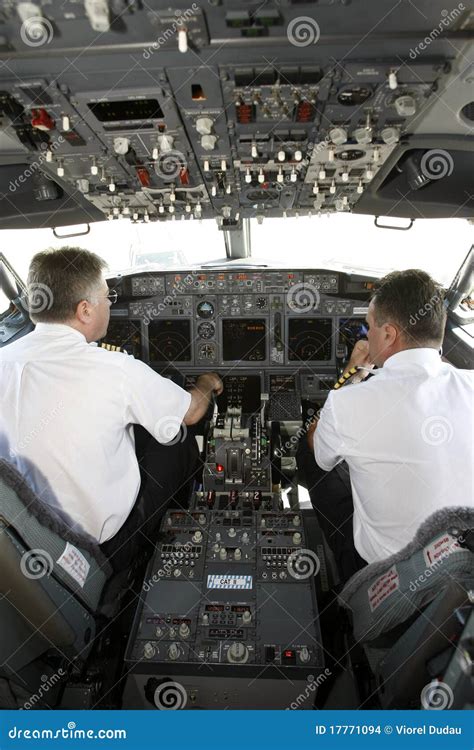
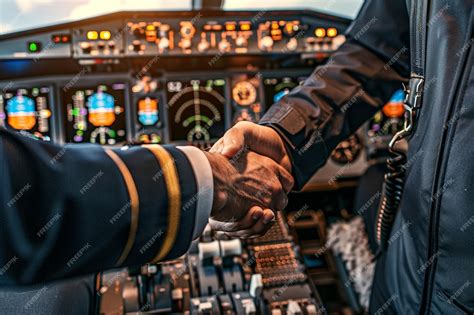
Private jet pilots often switch aircraft more frequently and must quickly adapt to different cockpit layouts, avionics suites, and flight management systems. The Leonardo AW139, the Bombardier Global Express, or a Pilatus PC-24 all require different flight dynamics. Flexibility and fast learning are non-negotiable.
Moreover, while airlines rely on air traffic control, ground handling teams, and dedicated dispatchers, private jet pilots may perform multiple roles, including flight planning, customs coordination, and fuel management—especially in smaller operations. Their scope of responsibility is broader and often more logistically complex.
Regulatory Oversight and Safety Protocols
Both commercial and private aviation are tightly regulated, particularly in jurisdictions like the U.S. (FAA) or Europe (EASA). However, the oversight mechanisms differ. Airline operations fall under Part 121 of FAA regulations, a strict code that governs scheduled air carriers with comprehensive safety procedures, maintenance intervals, and crew requirements.
Private jet operations, particularly charters, fall under Part 135, which allows for more flexibility but also places greater responsibility on the pilot. Solo decision-making is more common. For owner-flown private operations under Part 91, the pilot may have even fewer restrictions, especially if flying without compensation.
Medical Exams and Health Standards
To qualify for commercial operation, pilots must obtain and maintain a First-Class Medical Certificate, which includes ECGs, vision tests, and cardiovascular screening. The medical standards for commercial pilots are notably higher and must be renewed every six to twelve months, depending on age.
Private pilots typically require a Third-Class Medical Certificate, which is less intensive and renewed every 24 to 60 months. As such, the ongoing health maintenance expectations are stricter in commercial aviation, reflecting the higher regulatory bar for transporting the public.
Training Ecosystem and Employer Sponsorships
Major airlines frequently operate their own pilot academies or pipeline programs, subsidizing simulator time and offering type ratings as part of the job. Many commercial pilots benefit from institutionalized career progression, moving from regional carriers to legacy airlines or cargo giants.
In contrast, private jet pilots must often self-fund training, including type ratings for specific business jets, unless hired by a charter operator with in-house training. Some private aviation companies, like NetJets or VistaJet, offer structured training, but the majority of private pilots navigate a more fragmented ecosystem.
Final Descent: Two Pilots, Two Worlds
While they may share the sky, private jet pilots and commercial airline captains occupy fundamentally different spheres of aviation. One operates in a structured, predictable world of mass transportation; the other navigates the bespoke, often unpredictable demands of elite air travel.
From licensing to scheduling, salary to client interaction, the skillsets may overlap, but the professional realities diverge dramatically. Each requires discipline, precision, and passion—but they wear those virtues in very different cockpits.