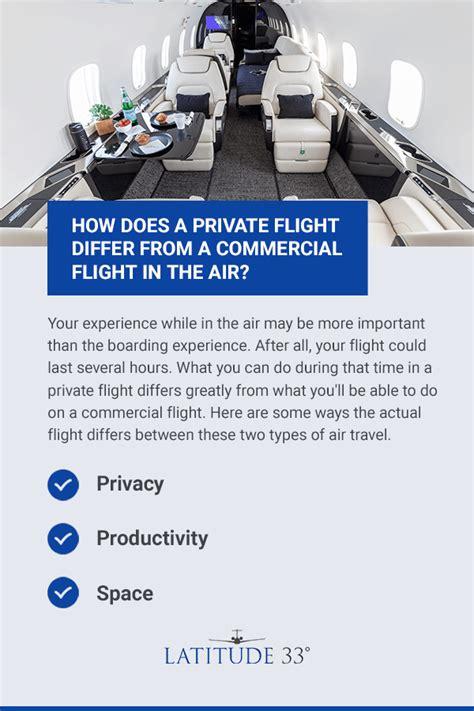
Understanding the Speed Dynamics of Air Travel
When discussing aviation speed, it’s essential to define what we truly mean by “faster.” While commercial airliners are marvels of engineering built to transport large numbers of passengers across continents, private jets are designed for efficiency, agility, and speed. The real question is not just whether a private jet can fly faster, but whether the overall travel experience—from check-in to arrival—is significantly quicker.
Indeed, it is.
Private jets generally cruise at higher speeds, avoid congested flight paths, and use smaller airports closer to final destinations. Combined, these factors allow for significantly reduced door-to-door travel time.
Comparing Cruising Speeds: Private Jets vs. Commercial Planes
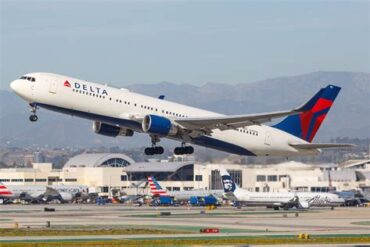
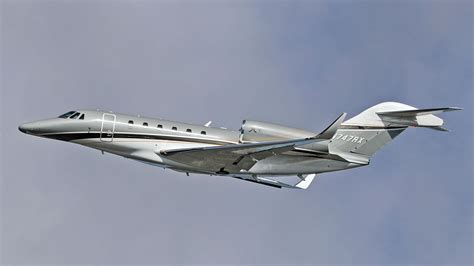
The average cruising speed of a commercial aircraft like the Boeing 737 or Airbus A320 is around 500 to 575 mph. In contrast, many private jets—especially those in the midsize and super-midsize categories—fly at speeds of 600 to 700 mph. The Cessna Citation X, for instance, cruises at up to 711 mph, making it one of the fastest civilian aircraft available.
Private jets maintain this edge not just in top-end speed but in overall performance:
-
Faster climb rates due to lower weight.
-
Higher cruising altitudes (up to 51,000 feet), reducing traffic and atmospheric drag.
-
Direct routing capabilities, avoiding major air corridors used by commercial planes.
Altitude Advantage: Flying Above the Commercial Traffic
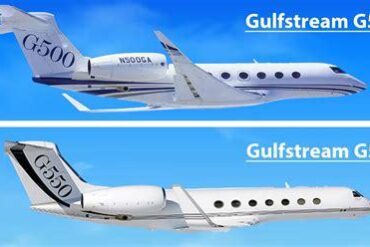
One of the most overlooked performance advantages of private jets lies in their ability to fly higher than commercial airlines. Most commercial flights cruise between 30,000 and 38,000 feet, while private jets like the Gulfstream G650 can reach 51,000 feet.
At these altitudes:
-
Air is thinner, reducing aerodynamic drag.
-
There is less air traffic congestion, enabling more direct and uninterrupted paths.
The net result is a smoother, faster ride that slices minutes—sometimes hours—off total flight times.
Aircraft Size, Weight, and Speed Efficiency
Private jets are significantly smaller and lighter than commercial planes. Fewer passengers, less cargo, and streamlined design allow private jets to:
-
Accelerate faster on takeoff.
-
Reach cruising altitude more quickly.
-
Operate efficiently with fewer performance compromises.
Materials such as titanium and aluminum are frequently used in private jet manufacturing, keeping the aircraft light without sacrificing structural integrity. These features support not only faster flight but also lower fuel consumption per passenger on certain routes.
Route Flexibility and Airport Accessibility
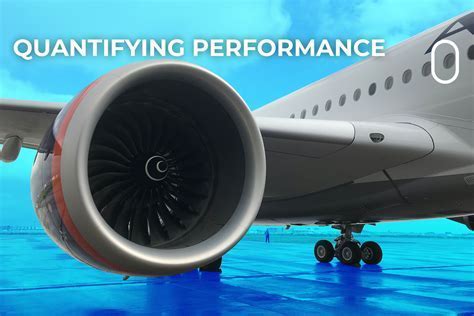
Perhaps one of the most game-changing benefits of private aviation is the flexibility in choosing non-congested airports and customized routes. Commercial airliners are bound to major hubs and regulated corridors, often requiring layovers and longer taxiing times.
In contrast, private jets can:
-
Land at regional or executive airports.
-
Depart and arrive closer to your actual destination.
-
Avoid traffic delays caused by airport congestion.
This translates into an overall door-to-door time advantage that commercial travel cannot replicate.
Time Efficiency: Beyond Airspeed
A key distinction must be made between flight speed and total travel time. With private jets, passengers skip the following time-consuming processes:
-
Arriving hours early for check-in.
-
Enduring long security lines.
-
Waiting at crowded boarding gates.
-
Dealing with delays or layovers.
Instead, private jet travelers can:
-
Arrive 15–30 minutes before departure.
-
Clear security in a matter of minutes.
-
Board directly from the terminal to the aircraft.
The entire experience is optimized for speed and convenience, which has a far greater impact on travel duration than raw flight speed alone.

Weather Considerations and Jet Speed
While weather affects all aircraft, private jets often recover from weather-related interruptions faster than commercial airlines. Let’s explore how:
-
Headwinds can reduce flight speed, but private jets often fly at altitudes where wind conditions are milder.
-
Tailwinds, when favorable, can substantially reduce travel time—a benefit enhanced by flexible routing.
-
Extreme heat or cold affects engine efficiency and air density. However, due to lower passenger loads and higher climb rates, private jets can often navigate these conditions with minimal time loss.
-
In dangerous storm conditions, both types of aircraft may be grounded. However, once conditions improve, private jets are typically cleared to take off sooner, given their agility and lack of dependence on rigid commercial schedules.
The Psychological Impact of Speed and Efficiency
Private aviation doesn’t just feel faster—it actually is. But the perception of speed is also reinforced by the lack of stress, personalized service, and streamlined boarding procedures. For the traveler, this creates the impression of an uninterrupted, ultra-efficient journey that drastically contrasts with the often chaotic commercial flying experience.
In business contexts, every minute matters. Missing a connection or enduring a multi-hour layover could jeopardize important meetings, deals, or events. Private jets virtually eliminate this risk by ensuring the traveler controls their schedule—not the airline.
Commercial Airliners: The Scale vs. Speed Tradeoff
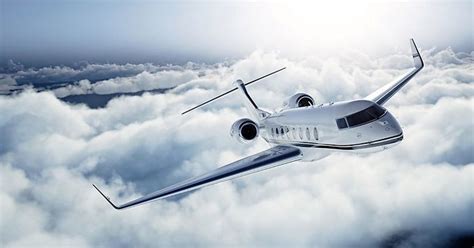
It’s important to recognize that commercial airliners are optimized for volume and cost-efficiency, not necessarily speed. Airlines prioritize fuel economy, capacity, and safety margins. Carrying 150 to 400 passengers means operating within stricter speed and altitude constraints, making ultra-fast flight impractical.
While this model works for the general public, it inherently lacks the nimble adaptability and performance characteristics of private jets. That’s why individuals and corporations turn to charter aviation services like those offered by Sun Air Jets—for flights that are not only luxurious but demonstrably quicker.
Final Verdict: Are Private Jets Faster?
Yes—private jets are faster than commercial planes in virtually every meaningful way:
-
Cruising speeds are higher.
-
Climb and descent rates are quicker.
-
Flight routes are more direct.
-
Pre-flight and post-flight logistics are streamlined.
From a door-to-door travel perspective, private jets provide a superior experience in terms of speed, comfort, and control. Whether you’re flying for business efficiency or leisure luxury, the benefits of private aviation go far beyond airspeed.
FAQs
Do private jets really fly faster than commercial planes?
Yes. Most private jets fly at cruising speeds of 600–700 mph, compared to the 500–575 mph range for commercial airliners. Combined with higher altitudes and direct routing, this results in significantly reduced total travel time.
Why do private jets climb faster than commercial airliners?
Private jets are lighter and carry fewer passengers, allowing them to reach cruising altitude more quickly. This reduces time spent ascending and descending, maximizing time at efficient cruising speeds.
Can a private jet save time even on short-haul flights?
Absolutely. Even short flights benefit from quick boarding, faster airport procedures, and access to smaller airports. In many cases, the ground logistics saved can account for more time than the flight itself.