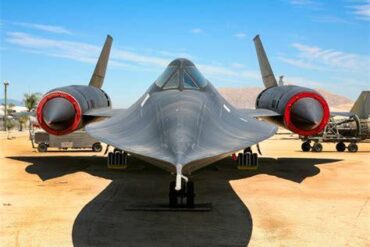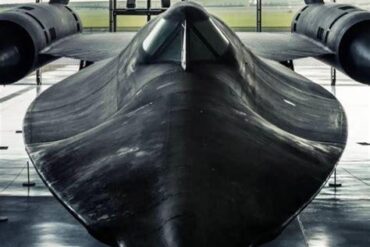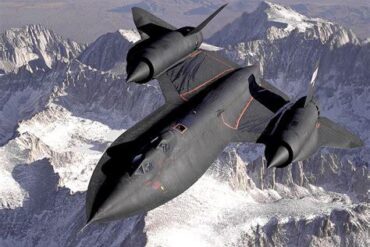
When discussions about the fastest aircraft in history arise, most aviation enthusiasts immediately name the legendary SR-71 Blackbird. Known for setting official speed and altitude records, the Blackbird has become a symbol of Cold War technological supremacy. Yet, before the SR-71 ever took to the skies, a top-secret aircraft known as the A-12 Oxcart was already flying higher, faster, and deeper into enemy airspace. Built under the utmost secrecy by the CIA and Lockheed’s Skunk Works, the A-12 was not only the precursor to the SR-71—it was also technically faster.
The Birth of the A-12 Oxcart
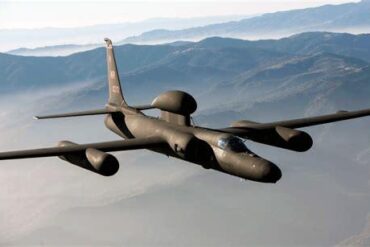
The A-12 Oxcart was conceived in the late 1950s under the CIA’s “Oxcart” program. Its mission was clear: to replace the U-2 Dragon Lady, which had become vulnerable to Soviet surface-to-air missiles after the 1960 U-2 incident involving Francis Gary Powers. Lockheed’s Kelly Johnson and his Skunk Works team designed the aircraft to meet extreme requirements—fly higher than 85,000 feet, cruise beyond Mach 3, and remain invisible to radar.
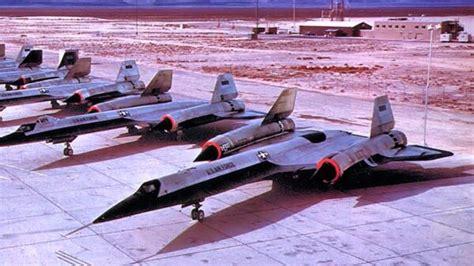
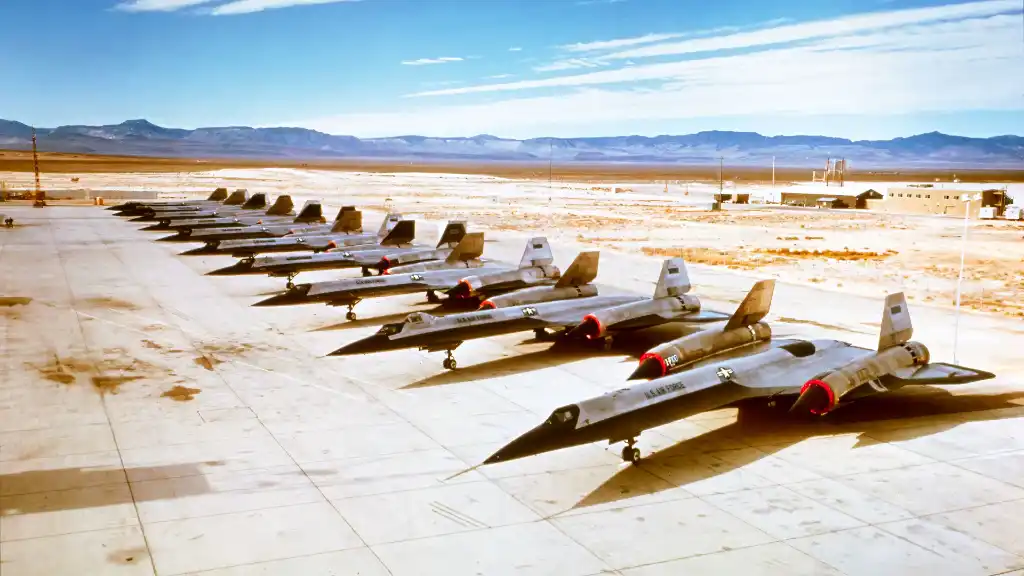
The first A-12 flew on April 25, 1962, at the highly secretive Groom Lake, better known today as Area 51. Its sleek titanium body, radical design, and stealth-focused engineering marked a leap in reconnaissance aircraft design. Only 15 A-12s were ever built, making it one of the rarest operational jets in history.
Faster Than the SR-71 Blackbird
Although most aviation records celebrate the SR-71, the A-12 actually surpassed it in speed and altitude. According to declassified CIA data, the A-12 reached Mach 3.29 (2,208 mph) at 90,000 feet. In contrast, the SR-71’s top speed was Mach 3.3 (2,193 mph) at 85,069 feet. At first glance, these numbers may seem nearly identical, but altitude makes a difference—Mach values vary depending on air density, which meant the Oxcart was effectively faster and higher-flying than its successor.
This performance was crucial. At Mach 3+, the Oxcart could outrun any missile of its era, turning reconnaissance into a matter of speed and altitude supremacy. The SR-71 may hold the official world record, but the A-12 quietly remains the true fastest CIA spy plane ever built.
Operational Life and Missions
Despite its phenomenal performance, the A-12 had a brief operational history. Officially entering service in 1962, it flew only one reconnaissance mission set, codenamed Black Shield, over North Vietnam, North Korea, and parts of China. Between 1967 and 1968, the A-12 conducted these dangerous flights, gathering intelligence critical to U.S. military operations.
In total, only 29 missions were conducted before the aircraft was retired in 1968. Several factors contributed to this short lifespan: the high operational costs, the arrival of the SR-71, and the risks associated with flying such an extreme aircraft.
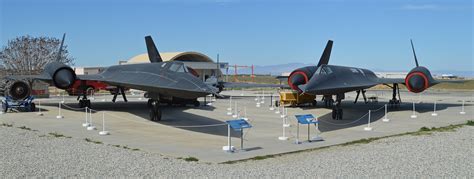
Of the 15 A-12s built, six were lost in accidents, often due to the immense stress on the aircraft and pilot at Mach 3+. The remaining aircraft were retired to museums across the United States, where they stand today as rare relics of Cold War intelligence history.
Engineering Marvel and Pilot Challenges
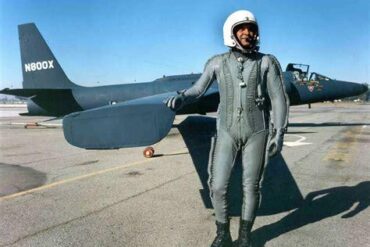
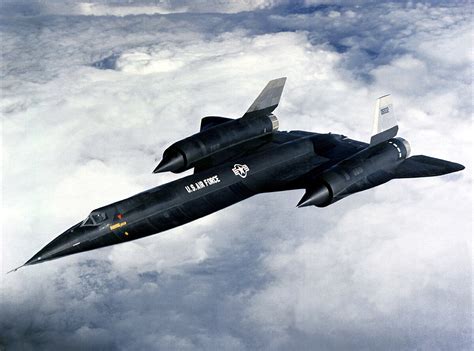
The A-12 was not only a marvel of aeronautical engineering—it was also one of the most dangerous aircraft to fly. The friction generated at Mach 3 heated the cockpit canopy to 500°F, meaning pilots had to wear specially designed, refrigerated space suits to survive. Every mission was a test of both human endurance and technological reliability.
Fuel posed another unique challenge. The A-12 used JP-7 jet fuel, specially formulated to withstand extreme temperatures. At rest, the aircraft often leaked fuel on the runway due to the titanium skin’s thermal expansion gaps. Only once airborne and heated did the panels seal tight.
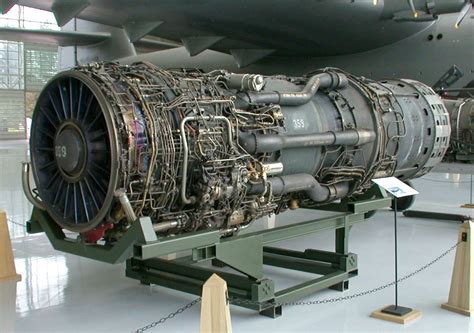
The aircraft’s engines, Pratt & Whitney J58 turbojets, were among the most advanced ever created, transitioning from turbojet to ramjet-like performance at supersonic speeds. These engines were later used in the SR-71, cementing their place in aviation history.
The M-21 Variant and Drone Experiments
Lockheed also experimented with a unique derivative—the M-21, a two-seat version of the A-12 designed to launch the D-21 reconnaissance drone. Carried atop the fuselage, the ramjet-powered D-21 was deployed at high speed and altitude, designed to penetrate deep into hostile airspace without risking a human pilot.
The concept was ahead of its time, but also dangerous. In 1966, a tragic accident occurred when a launched D-21 collided with its M-21 carrier aircraft, killing a crew member. Following the incident, the program shifted to launching drones from B-52 Stratofortresses instead.
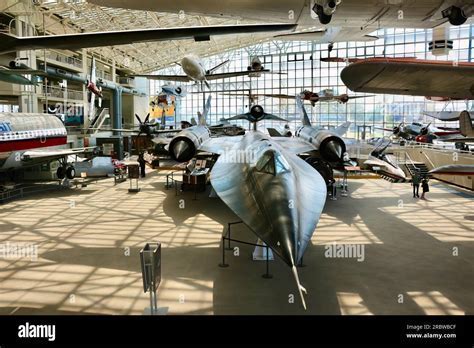
Today, the sole surviving M-21 and its D-21 drone are displayed at the Museum of Flight in Seattle, a testament to one of the boldest experimental projects of the Cold War.
Legacy of the A-12 Oxcart
Though retired in 1968, the A-12 Oxcart remains one of the most advanced spy planes ever built. Its short career masked the fact that it had achieved what no other aircraft of its time could—operating at the edge of Earth’s atmosphere, beyond the reach of Soviet defenses.
The SR-71 may have gained greater fame due to its longer service life and official records, but the A-12 was the true trailblazer. Every lesson learned from its development—materials, aerodynamics, stealth, engine technology—paved the way not just for the SR-71 but for future stealth reconnaissance aircraft.
Technical Specifications Comparison
| Specification | A-12 Oxcart | SR-71 Blackbird |
|---|---|---|
| Role | CIA Reconnaissance Aircraft | USAF Reconnaissance Aircraft |
| First Flight | April 25, 1962 | December 22, 1964 |
| Top Speed | Mach 3.29 (2,208 mph) | Mach 3.3 (2,193 mph) |
| Operational Ceiling | 90,000 ft | 85,069 ft |
| Engines | 2 × Pratt & Whitney J58 | 2 × Pratt & Whitney J58 |
| Range | 2,900 miles | 3,200 miles |
| Number Built | 15 | 32 |
| Years in Service | 1962–1968 | 1966–1999 |
Conclusion
The A-12 Oxcart stands as one of the greatest secret projects of the Cold War, a plane that flew faster and higher than the SR-71 Blackbird, yet remained hidden from the public eye until 1989. Built by the CIA and Lockheed’s Skunk Works, it embodied the cutting edge of aerospace technology and defined what was possible in the jet age. While its operational life was short, the A-12’s impact was profound—proving that sometimes the greatest achievements in aviation history remain in the shadows.
FAQ
Was the A-12 really faster than the SR-71?
Yes. The A-12 had a documented top speed of Mach 3.29 at 90,000 feet, which was slightly faster and higher than the SR-71’s Mach 3.3 at 85,069 feet. Due to altitude differences, the A-12 effectively outperformed the SR-71 in raw speed and altitude.
Why was the A-12 retired so quickly?
The A-12 was retired in 1968 due to high operational costs, extreme risks, and the introduction of the SR-71 Blackbird, which could carry more sensors, operate longer missions, and serve the U.S. Air Force instead of just the CIA.
How many A-12 aircraft still exist today?
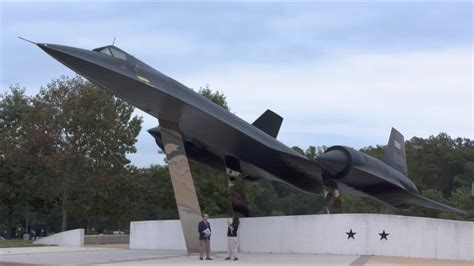
Of the 15 built, nine A-12s remain preserved in museums across the United States, including the CIA Museum in Langley, Virginia, and the Intrepid Sea, Air & Space Museum in New York.