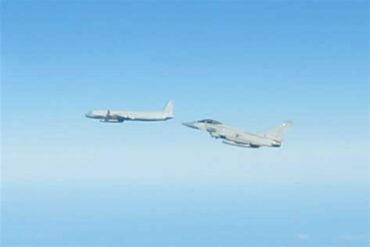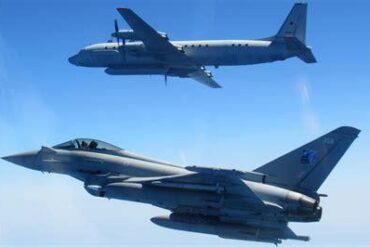
The United States Air Force twice scrambled fighter jets this week to intercept a Russian IL-20 electronic intelligence aircraft approaching the Alaskan Air Defense Identification Zone (ADIZ), highlighting the continuing pattern of aerial cat-and-mouse encounters between the two global powers. The North American Aerospace Defense Command (NORAD) confirmed the incidents, noting that although the Russian aircraft never entered U.S. or Canadian sovereign airspace, its presence near Alaska underscores the geopolitical friction that persists in the Arctic region.
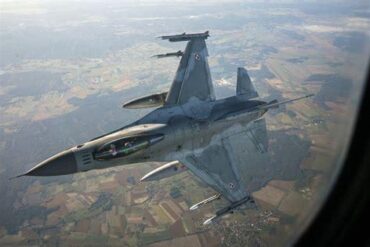
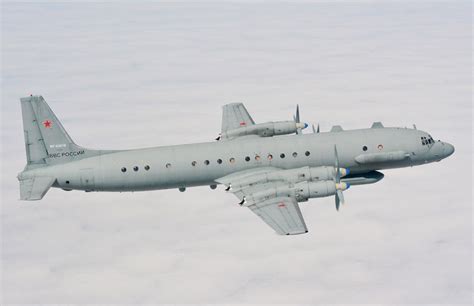
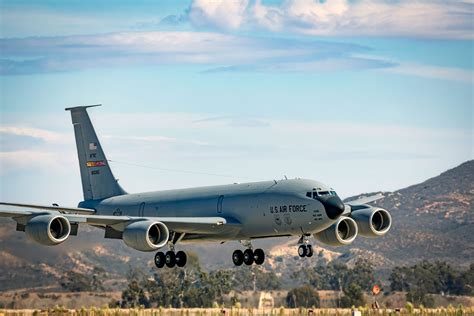
On Wednesday, NORAD deployed two F-16 fighter jets and a KC-135 Stratotanker to intercept and monitor the IL-20 Coot, a Cold War–era surveillance aircraft designed for signals intelligence gathering. The aircraft reportedly entered the ADIZ about 25 nautical miles from St. Lawrence Island, a remote U.S. territory in the Bering Sea less than 50 miles from Russia. According to NORAD, the Russian spy plane remained in the ADIZ for one hour and 12 minutes before turning back. The following day, another IL-20 approached the zone, prompting NORAD to scramble two F-16s, an E-3 Sentry AWACS, and another KC-135 tanker.
Understanding the Alaskan ADIZ and Its Strategic Significance
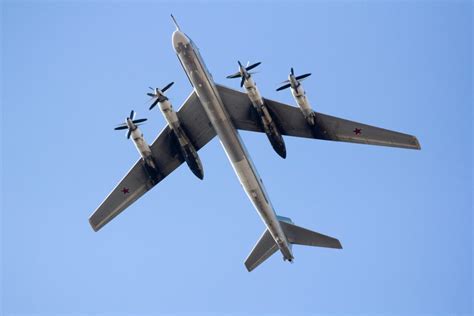
The Alaskan Air Defense Identification Zone is not sovereign territory but an internationally recognized buffer zone that extends beyond U.S. borders. Aircraft entering the ADIZ are required to identify themselves for national security purposes. While incursions by Russian aircraft are not unprecedented, the choice of an IL-20 surveillance plane—rather than the more common Tu-95 Bear strategic bomber—drew particular attention from military analysts.
The IL-20 Coot is equipped with advanced sensors for electronic and signals intelligence, making it a vital tool for Moscow’s reconnaissance missions. Its presence so close to U.S. territory suggests that Russia was testing both American response times and data-collection opportunities in the region, particularly in the wake of heightened tensions over the war in Ukraine and the fragile state of U.S.-Russia diplomacy.
Routine Activity or Strategic Messaging?
NORAD emphasized that such flights are “not considered a threat” and occur regularly. However, the timing is notable. The flights came less than a week after diplomatic talks between then-President Donald Trump and Vladimir Putin, where Ukraine was a central topic. Analysts believe these reconnaissance missions are less about immediate aggression and more about strategic signaling—a way for Russia to remind Washington that it maintains reach and presence near U.S. territory.
The incidents also align with a broader pattern of Russian military aviation activity:
- Poland scrambled jets in response to Russian long-range missile strikes on Ukraine, including hypersonic weapons.
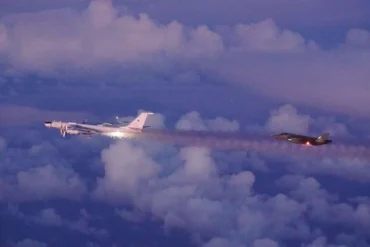
- Japan intercepted two Tu-95 bombers and two Russian fighters over the Sea of Japan just days earlier.
- NATO has reported increased Russian bomber flights near European airspace, forcing allied air forces into frequent intercept missions.
This network of Russian activity reflects a coordinated effort to pressure Western nations simultaneously across multiple theaters.
NORAD’s Defense Response and Capabilities
Following Thursday’s intercept, NORAD issued a statement reaffirming its readiness to protect North America: “NORAD employs a layered defense network of satellites, ground-based and airborne radars, and fighter aircraft to detect and track aircraft and inform appropriate actions.” The mention of its multi-layered detection system underscores that these intercepts are part of a broader defense architecture designed to respond to threats quickly and effectively.
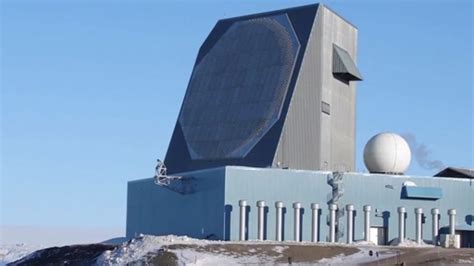
The presence of an E-3 Sentry during the second intercept is significant. The aircraft, equipped with airborne early warning and control systems, provides NORAD with enhanced situational awareness, enabling real-time coordination between ground stations, tankers, and fighter jets. Its deployment signals that the U.S. military considered the second incursion worthy of heightened monitoring, despite NORAD’s public assurance that the event posed no threat.
The Russian IL-20: A Spy Plane with a Cold War Legacy
The IL-20 Coot, first introduced in the late 1960s, remains one of Russia’s most capable surveillance aircraft. Outfitted with side-looking radar, infrared sensors, and powerful radio intelligence equipment, the IL-20 can eavesdrop on communications and electronic signals across vast distances. Unlike strategic bombers, its value lies not in offensive capability but in intelligence gathering, making its deployment a calculated choice by Moscow.
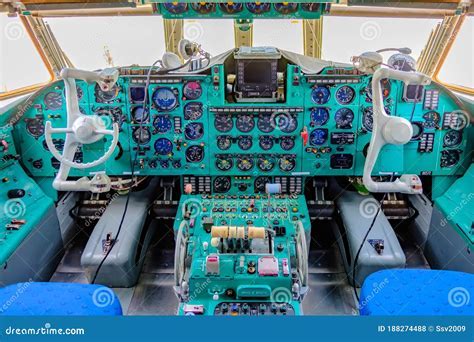
Military experts suggest that these missions are part of Russia’s broader intelligence efforts to assess U.S. radar coverage, NORAD response patterns, and potential vulnerabilities in Arctic defense infrastructure. With the Arctic emerging as a new frontier for both economic exploitation and military competition, intelligence-gathering flights such as these are likely to continue.
Global Context: A Surge in Military Scrambles
These Alaskan incidents did not occur in isolation. They were part of a broader surge in aerial intercepts around the world:
- In Europe, NATO has scrambled fighters repeatedly in response to Russian long-range bomber flights near allied airspace. These missions are often described as attempts to probe alliance readiness and demonstrate Russia’s ability to reach Western borders.
- In Asia, Japan’s Air Self-Defense Force frequently intercepts Russian and Chinese aircraft, sometimes in joint patrols, near its airspace. The recent Tu-95 and fighter jet intercept highlights Moscow’s continued assertiveness in the Pacific.
- In Eastern Europe, Poland’s air force remains on high alert as Russian missile strikes intensify across Ukraine, triggering regional air defense responses.
This growing frequency of intercepts illustrates the global scale of Russian aerial activity and the pressure it places on Western air defense systems.
St. Lawrence Island: America’s Frontline in the Bering Sea
The proximity of the IL-20 to St. Lawrence Island is a reminder of Alaska’s frontline role in U.S.-Russia relations. Located just under 50 miles from the Russian mainland, the island represents one of the closest points between the two countries. Its strategic location makes it a natural flashpoint for aerial monitoring and reconnaissance. The fact that the IL-20 lingered nearby for over an hour underscores Russia’s interest in this remote but geopolitically sensitive region.
Residents of the island and surrounding communities are accustomed to the presence of U.S. military aircraft, which operate frequently in the area. The recent intercepts reinforce the island’s importance as a forward outpost for American defense in the Arctic.
Future Outlook: What Happens Next?
As of now, U.S. officials have not announced any changes in air defense posture following the intercepts. However, defense analysts expect that Russian reconnaissance flights near Alaska will continue, especially as Arctic routes grow in importance due to melting sea ice and new opportunities for military deployment. Both Washington and Moscow are keenly aware that the Arctic represents not just a potential economic zone but also a strategic military frontier.
The continued reliance on Cold War–era platforms like the IL-20 also suggests that Russia will seek to maintain pressure through low-cost, intelligence-gathering missions rather than risking more provocative incursions with strategic bombers. Still, the frequency of such flights ensures that NORAD and its allied partners will remain on constant alert.
Conclusion
The twin intercepts near Alaska highlight both the routine nature and strategic implications of Russian aerial operations close to U.S. territory. While NORAD insists these flights are not a threat, they serve as clear reminders of Moscow’s intent to assert presence and gather intelligence in contested regions. For Washington, they reaffirm the importance of maintaining robust Arctic air defenses, ensuring rapid response, and demonstrating to allies that North American skies remain well-guarded.
As great power rivalry intensifies, encounters like these will continue to test both sides’ resolve. The skies over Alaska, once a quiet frontier, remain a critical flashpoint in U.S.-Russia military relations, symbolizing the enduring legacy of Cold War competition in a 21st-century context.