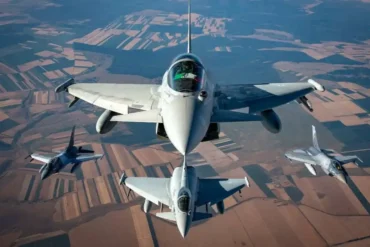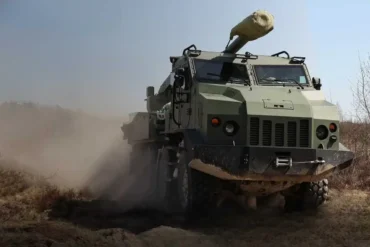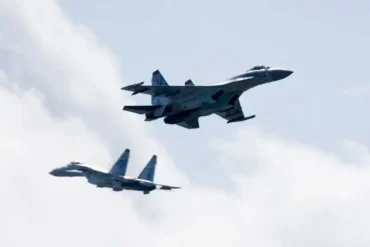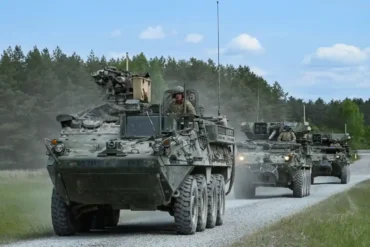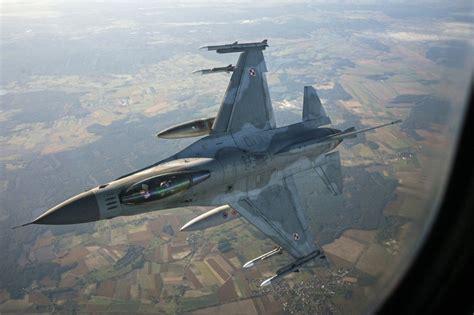
Poland, a frontline NATO member, has scrambled its fighter jets and activated high-alert air defense protocols in response to a wave of Russian long-range missile attacks targeting western Ukraine. The deployment underscores rising concerns across NATO’s eastern flank as Moscow continues to test the alliance’s airspace defenses with increasingly provocative maneuvers.
Poland’s Armed Forces announced early Saturday morning that combat aircraft were deployed, and that ground-based air defense systems and radar installations had been placed on high alert. The action followed overnight Russian aerial assaults near the border city of Lviv, only a short distance from Polish territory.
Escalating Threats Along NATO’s Borders
The immediate cause for the Polish military response was the launch of Russian cruise missiles and drones that reached western Ukraine, including Lviv, where several civilians were injured. Notably, an 11-year-old boy was among those wounded, according to regional governor Maksym Kozytsky. The strikes came amid Moscow’s continued bombardment of Ukrainian infrastructure and urban centers using an evolving mix of Shahed-type drones, decoy systems, and Kh-101 long-range cruise missiles.
According to the Ukrainian Air Force, at least 13 civilians were killed and 46 injured across seven regions in the previous 24 hours. Russia launched 623 aerial weapons, further emphasizing the scale and intensity of its offensive operations. While none of the munitions directly crossed into Polish airspace, the proximity and volume of the strikes left little doubt about the increasing vulnerability of NATO’s frontier states.
Poland’s Military Response and Strategic Readiness
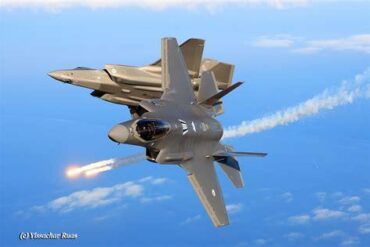
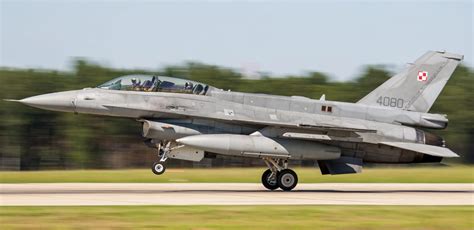
The Polish Air Force’s rapid mobilization was both a defensive measure and a demonstration of NATO solidarity. The nation operates a fleet of F-16 Fighting Falcons, and recent acquisitions have included FA-50 jets from South Korea and F-35 stealth fighters from the United States, significantly enhancing its capability to detect, intercept, and neutralize aerial threats.
Poland’s Ministry of Defense emphasized its readiness on social media platform X, stating: “Due to Russia’s long-range aviation which has conducted strikes on targets located in western Ukraine and elsewhere, Polish and allied aviation have begun operations in Polish airspace.”
This posture aligns with NATO’s integrated air defense strategy, which coordinates radar, interceptor aircraft, missile defenses, and satellite data-sharing across the alliance. The concern now lies in the growing unpredictability of Russian operations near NATO borders, which could lead to accidental airspace violations or even deliberate provocations aimed at undermining regional stability.
Russia’s Hybrid Warfare Tactics and NATO’s Dilemma
Poland’s response fits into a broader pattern of increased alertness across eastern NATO members as they face the brunt of Russia’s hybrid warfare doctrine—a blend of military threats, cyberattacks, disinformation campaigns, and territorial intimidation. This doctrine thrives in gray zones, avoiding outright war with NATO while testing the limits of allied patience.
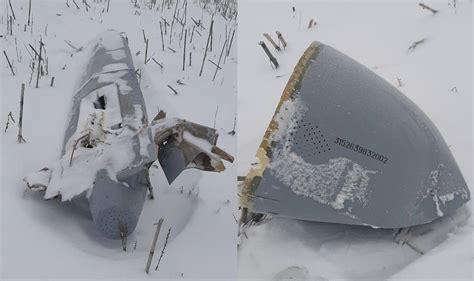
Earlier this year, Romania reported drone and missile debris landing on its soil following Russian strikes on nearby Ukrainian targets. Though accidental and not aimed at NATO territory, the incidents raised urgent questions about alliance cohesion and response protocols. Romania has since pursued a high-level defense agreement with Israeli firm Rafael to acquire an Iron Dome-style air defense system for urban protection.
Romanian Defense Minister Ionuț Moșteanu stated that the system would defend cities against both accidental and targeted attacks. As this procurement is finalized, other eastern NATO members, including Poland, Lithuania, and Slovakia, are anticipated to follow suit with similar air defense upgrades.
Zelensky’s Plea and the Civilian Toll
Ukrainian President Volodymyr Zelensky has been unwavering in his calls for enhanced Western support. Following the latest wave of strikes, Zelensky reiterated the need for modern air defense systems and investment in interceptor drone technology, which he claims are already producing effective results on the battlefield.
“The world must understand that these missile and drone strikes don’t just target military infrastructure,” Zelensky stated in a recent address. “They target children, hospitals, energy stations. Every delay in defense is measured in lives lost.”
This appeal is not falling on deaf ears. On Friday, Germany pledged to deliver hundreds of long-range weapons systems to Ukraine by the end of July under a German-financed defense package. These systems, expected to include IRIS-T SLM launchers, will complement existing NATO-supplied platforms and offer layered protection against missile and drone barrages.
Strategic Implications for NATO
The scrambling of Polish jets signals a crucial moment in NATO’s ongoing balancing act—asserting credible deterrence without escalating into direct conflict with Russia. Military analysts suggest that the margin for error is narrowing, especially as NATO nations edge closer to the Ukrainian conflict.
Defense expert Roger Hilton of GLOBSEC, a Slovakia-based security think tank, commented, “This is not just about Poland’s defense posture. This is a litmus test for NATO’s eastern flank—whether it can rapidly coordinate air defense, reinforce confidence among member states, and manage the political risks of spillover.”
He further added that more announcements on air defense procurement and joint air patrols can be expected as NATO countries begin to meet or exceed the 3.5 percent GDP defense spending benchmark established in recent summits.
Testing NATO’s Resolve
Russia’s use of deceptive aerial tactics, including decoy drones and simultaneous cruise missile salvos, is designed to overwhelm and confuse Ukrainian and NATO-aligned air defense grids. By pushing operations perilously close to alliance airspace, Russia is testing not only the technological resilience of NATO’s systems but also its political unity.
The fact that fighter jets are now being routinely scrambled in response to near-border strikes illustrates how precarious the security environment has become. One navigational miscalculation or missile veering off-course could spark an international crisis, forcing NATO to decide whether to invoke Article 5—its collective defense clause.
Looking Ahead: The Airspace Over Europe
As Russian aerial attacks continue and Ukrainian infrastructure remains under siege, the role of NATO’s air defense posture becomes paramount. The next few weeks are expected to bring:
- Expanded aerial patrols over Poland, Romania, and the Baltics.
- Accelerated delivery of interceptor systems and advanced radar arrays to frontline NATO states.
- Heightened cooperation between Ukrainian and NATO air traffic control units to minimize risks of overlap and confusion.
- Greater data-sharing across the alliance to synchronize threat responses.
In the longer term, these developments are likely to reshape the strategic airspace over Central and Eastern Europe, transforming it into one of the most heavily surveilled and defended air corridors in modern history.
Conclusion: A Tipping Point in NATO-Russia Tensions?
Poland’s decision to scramble jets was not just a reflexive act of defense—it was a loud signal to Moscow that NATO airspace is not a testing ground for aggression. The stakes are rising. Each drone, each missile, and each radar ping is now part of a high-stakes chess match across the skies of Eastern Europe.
As the world watches the continued evolution of hybrid warfare, the question is not whether NATO will respond—it already has. The question is how quickly, how decisively, and how far it’s willing to go to defend its skies.