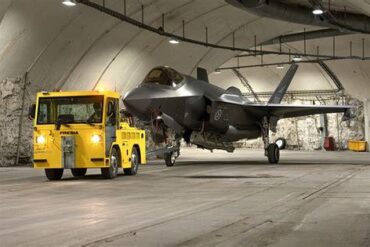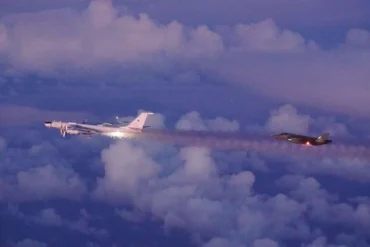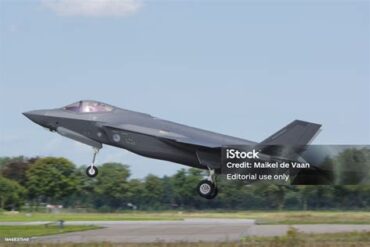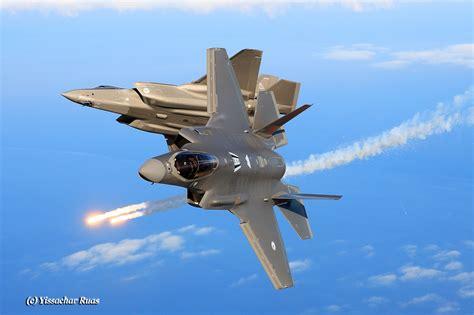
NATO is making a decisive strategic leap by deploying Dutch and Norwegian F-35A Lightning II stealth fighters to Poland in a historic first, strengthening its eastern air defenses amid escalating Russian aggression near Ukraine. This high-profile mission, set to begin in September and run through early December 2025, marks the first operational use of fifth-generation F-35 jets in Poland under NATO command, significantly enhancing both deterrence and rapid response capabilities across the alliance’s eastern flank.
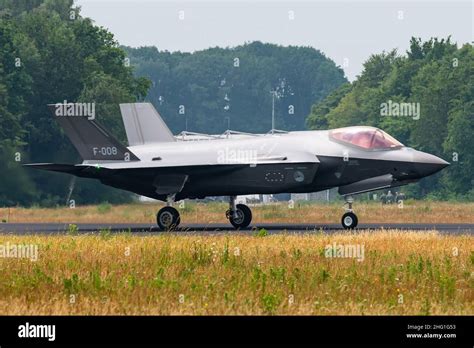
The move, announced by the Dutch Ministry of Defence, responds directly to the growing security threats posed by Russia’s persistent missile and drone attacks near the Polish-Ukrainian border. These threats include overnight barrages that have seen as many as 700 drones and ballistic missiles launched by Russian forces targeting critical Ukrainian infrastructure. The increasing proximity of such strikes to NATO territory has prompted a tactical evolution in the alliance’s force posture.
NATO’s F-35 Deployment: A Shift Toward Fifth-Generation Deterrence
Unlike earlier NATO operations involving legacy platforms like the F-16 Fighting Falcon or Eurofighter Typhoon, the upcoming Polish mission brings cutting-edge capabilities into the theater. The Lockheed Martin F-35, known for its stealth, sensor fusion, and advanced network-centric warfare systems, provides a substantial leap in combat and intelligence-gathering potential.
According to Jamie Shea, former Deputy Assistant Secretary General for Emerging Security Challenges at NATO, the deployment is both “symbolic and strategic.”
“The F-35s represent a much greater military capability for air defense and intelligence gathering — especially at a moment when Russia is sending as many as 700 drones and ballistic missiles a night against targets in Ukraine.”
The mission will be conducted as a 24/7 Quick Reaction Alert (QRA) operation under NATO’s integrated air defense command. Dutch and Norwegian aircrews will operate jointly from Polish bases, underscoring a multinational interoperability that reflects NATO’s evolving emphasis on integrated defense.
Why Poland Matters: NATO’s New Defensive Epicenter
Poland’s geographical and logistical position makes it indispensable to NATO’s eastern strategy. Andrew A. Michta, Senior Fellow at the Atlantic Council’s GeoStrategy Initiative, draws a direct parallel between Poland’s current role and Germany’s historical importance during the Cold War:
“Today, Poland plays the same role… the key hub of NATO defenses in the East and the center of the Northeast Corridor.”
Poland is not only a frontline buffer but also a critical transit route for Western military aid flowing into Ukraine. Key infrastructure hubs such as rail terminals, airfields, and fuel depots near the Ukrainian border have increasingly come under threat from Russian missiles and drones. The deployment of F-35s, capable of advanced early warning, rapid interception, and electronic warfare, provides a new layer of protection for these vulnerable nodes.
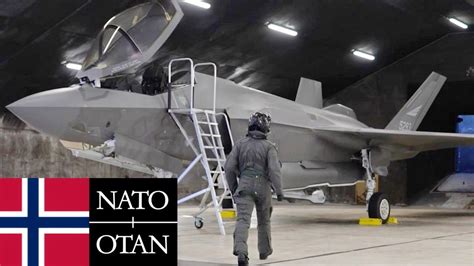
Moreover, the move underscores a rebalancing of NATO force posture. Traditionally, US and NATO forces have been concentrated in Germany and Western Europe. But as threats shift eastward, deployments like this reaffirm the alliance’s commitment to forward defense.
Interoperability and Alliance Cohesion
The decision for Norway and the Netherlands to jointly execute the mission is significant. As Jamie Shea noted, this bi-national deployment model enhances technical interoperability, shared training, and real-world joint command operations. These features are crucial for any future large-scale NATO response to aggression in Eastern Europe.
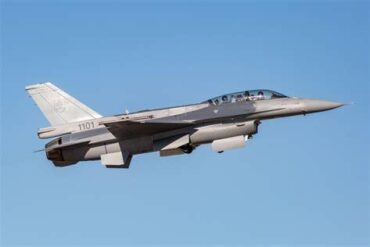
F-35 interoperability goes beyond pilot coordination. The aircraft’s powerful sensor suite and data-sharing architecture enable real-time battlefield awareness across land, sea, air, and cyber domains. By integrating with Poland’s existing air defense assets, including its F-16 fleet and new South Korean FA-50 jets, NATO is building a layered defense that is both reactive and proactive.
Implications for Polish Defense and Future F-35 Operations
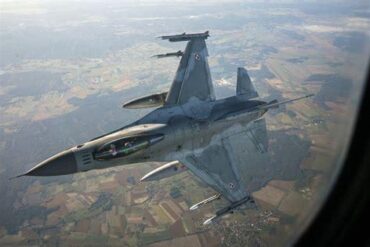
For Poland, the deployment is a critical capability bridge. The Polish Air Force is currently equipped with just 48 F-16s, and while FA-50 light fighters are arriving from South Korea, they do not match the F-35 in capability. Warsaw has ordered 32 F-35As from Lockheed Martin, but the first deliveries aren’t expected until 2026.
This leaves a strategic gap that the NATO deployment helps to fill. According to Michał Piekarski, a defense analyst at the University of Wrocław:
“Any opportunity for joint training and better understanding of the capabilities that F-35s do have is highly valuable for our armed forces.”
Piekarski also highlighted the constant risk of Russian escalation or accidental incursion into NATO airspace, particularly as Russian missile and drone strikes push closer to the Polish border. The deployment of F-35s acts as a credible deterrent against such violations, safeguarding both national sovereignty and alliance credibility.
Russia’s Escalating Threat and NATO’s Deterrence Response
As Russia intensifies its campaign in Ukraine, particularly around western cities like Lutsk and Ternopil, the threat to NATO’s eastern flank becomes more tangible. These regions are key conduits for Western military and humanitarian aid, and Russian attacks in the vicinity carry the dual risk of disrupting supply lines and triggering inadvertent NATO engagement.
Former NATO official Jamie Shea warned:
“As Russia goes closer to the Polish border, there is the danger of more Russian drones and missiles landing inside Poland itself.”
Such incidents could provoke broader conflict, making visible, credible deterrence all the more essential. The deployment of stealth-capable fighters, continuously patrolling the skies, makes it unmistakably clear that NATO will not tolerate infringements on its airspace or infrastructure.

Ukraine’s View: Security Tied to NATO’s Eastern Shield
Hanna Hopko, former head of Ukraine’s parliamentary foreign affairs committee, praised the deployment as a “crucial step” in defending both NATO and Ukrainian interests:
“The upcoming deployment of Dutch and Norwegian F-35s to Poland is a crucial step toward strengthening NATO’s deterrence posture and protecting the critical lifelines that support Ukraine’s defense.”
She emphasized that the security of Ukraine and NATO’s eastern members is indivisible, adding that increased coordination and scale are essential moving forward. In particular, she called for more robust protection of critical infrastructure, such as nuclear power facilities and cross-border supply nodes.
Her remarks reflect a wider consensus that defending NATO’s borders also extends the shield of stability over Ukraine, especially as both conventional and hybrid threats grow more sophisticated.
A Template for Future NATO Operations
The extended six-month deployment of F-35s in Poland is more than a tactical move — it represents a blueprint for NATO’s future force projection. As the alliance faces an increasingly complex security landscape, blending top-tier technology with multinational integration is no longer optional — it’s imperative.
Most F-35 deployments in Europe have traditionally been short-term exercises or rotational missions. This operation’s duration and its joint-national framework point to a deeper, more enduring NATO posture, one that is flexible, reactive, and capable of addressing real-time threats with speed and cohesion.
In many ways, the skies over Poland have become the new testing ground for NATO’s strategic resolve. From combat-ready stealth aircraft and multinational command structures to shared training and operational learning, this deployment underscores that NATO is not only watching — it is prepared.
As Poland awaits its own fleet of F-35s, and as Russian pressure continues to mount, this mission ensures that a credible, technologically advanced deterrent remains in place, safeguarding the alliance’s easternmost flank and sending a clear, unified message: NATO airspace is not to be tested.