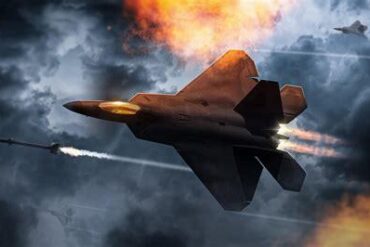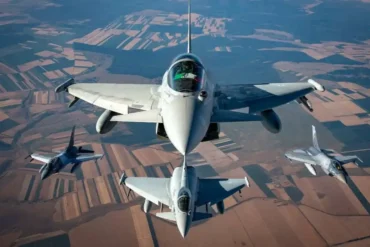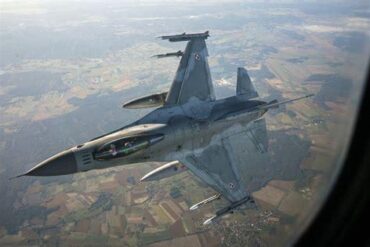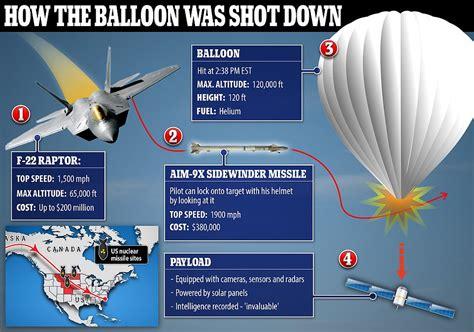
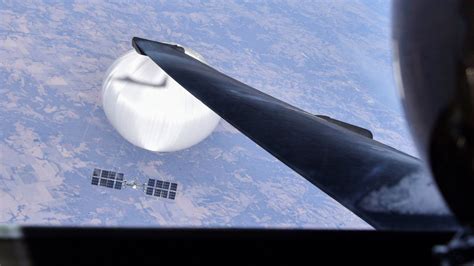
The image of a US Air Force F-22 Raptor firing an AIM-9X Sidewinder at a drifting Chinese balloon over North America in 2023 has become a defining snapshot of modern security anxiety. It was a surreal collision of fifth-generation stealth fighters and floating fabric, yet it carried a serious message: even the simplest airborne objects can provoke global consequences. Three years later, that lesson is echoing across NATO’s Eastern Flank, where balloons are once again rattling air defenses, not with high-end sensors or explosives, but with something far more mundane and unsettling—packs of cigarettes.
What appears at first glance to be an elaborate smuggling trick has rapidly evolved into a strategic headache for Lithuania, Poland, and NATO planners. These low-tech intrusions are forcing airspace closures, triggering radar alerts, and consuming military attention in a region already tense from Russia’s war in Ukraine and Belarus’s deepening alignment with Moscow. The result is a peculiar but potent form of pressure, where the line between crime and conflict grows dangerously thin.
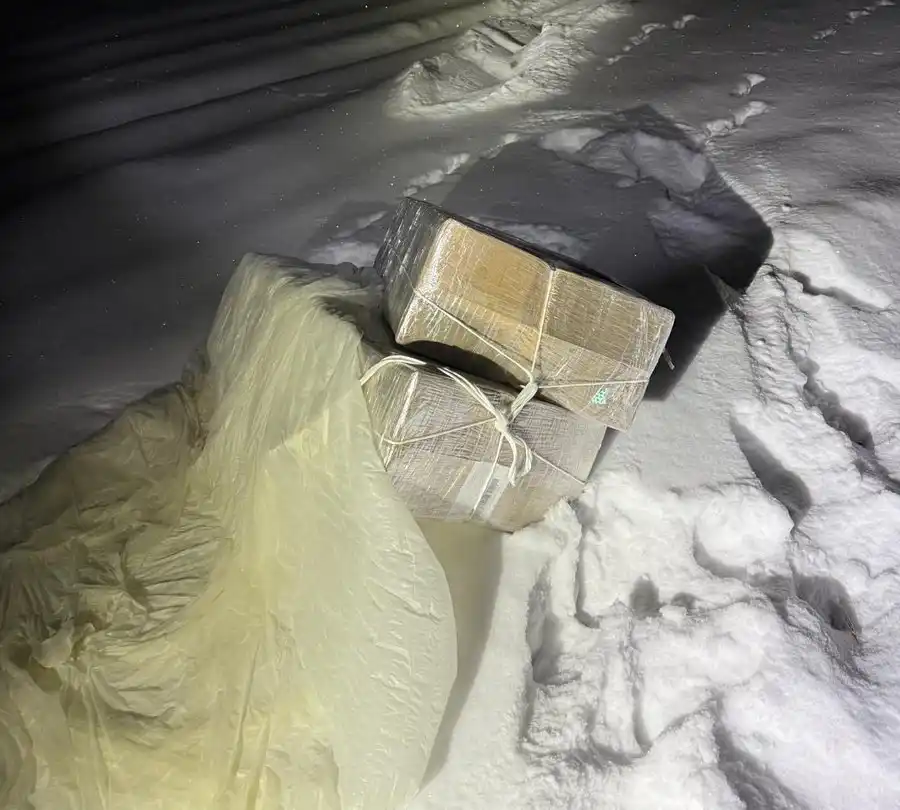
The balloon problem has unfolded quietly but persistently. Helium- or hydrogen-filled balloons launched from Belarus drift across borders at altitudes reaching several kilometers, sometimes soaring as high as commercial aviation routes. They move slowly, ride unpredictable winds, and often evade easy interception. Their payloads—bundles of untaxed cigarettes—are cheap, profitable, and legally ambiguous, yet the disruptions they cause are anything but trivial.
Cigarette Balloons and the Anatomy of a Low-Tech Disruption
Over the past year, balloon incursions have surged from nuisance to national concern. Lithuania alone reported hundreds of incidents since late 2025, with authorities estimating that around 600 balloons crossed into its airspace in 2025. On January 27, at least 42 balloon flights from Belarus forced repeated halts at Vilnius Airport, disrupting civilian travel and emergency planning alike. Days later, Poland temporarily closed its airspace after detecting multiple “balloon-like objects,” underscoring how quickly these intrusions cascade into broader aviation risks.
The balloons themselves are deceptively simple. Often constructed from lightweight materials and guided solely by wind currents, they lack the electronic signatures associated with drones or aircraft. That simplicity makes them hard to classify and even harder to counter. Air defense systems designed to track fast jets or cruise missiles are ill-suited to engage drifting objects that may not pose an immediate kinetic threat but still violate sovereign airspace.
Belarus, Russia, and the Shadow of Hybrid Warfare
The geographic origin of these balloons has drawn intense scrutiny. Belarus, already hosting Russian forces and advanced weapons systems such as the Iskander ballistic missile and the Oreshnik hypersonic missile, is widely viewed as a permissive launchpad. While Minsk denies any hostile intent and insists it seeks no conflict with its neighbors, NATO officials see a familiar pattern emerging—one consistent with hybrid warfare.
Hybrid warfare blends military pressure with cyber operations, economic coercion, and psychological disruption, all while maintaining plausible deniability. In this framework, cigarette balloons serve a dual purpose. On the surface, they facilitate smuggling. Beneath that, they probe NATO’s response mechanisms, forcing coordination between civil aviation authorities, border guards, radar operators, and military command structures. Each alert reveals how quickly systems react, how decisions are made, and where gaps might exist.
Poland’s Foreign Minister Radoslaw Sikorski has openly accused Belarus of waging a hybrid campaign, arguing that these incursions reflect the nature of the Lukashenko regime—one that blends foreign policy with unlawful activity to apply pressure without crossing a clear red line.
From Smuggling to Strategic Signaling
What unsettles security experts is not the value of the contraband but the precedent it sets. Every balloon flight compels NATO states to treat ambiguity as risk. Airports close, air patrols activate, and military resources shift, all in response to objects that may cost only a few hundred euros to launch. The imbalance is striking and intentional.
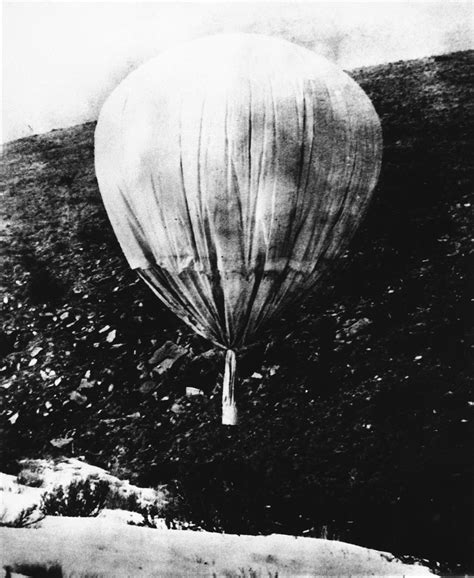
Analysts warn that today’s cigarette payload could become tomorrow’s reconnaissance equipment or worse. Lithuanian officials have openly questioned what guarantees exist that future balloons will not carry explosives, sensors, or chemical substances. The concern is amplified by historical memory. During World War II, Japan used hydrogen balloons armed with incendiaries to strike North America, demonstrating how simple technology can deliver strategic effect across vast distances.
Testing the Eastern Flank’s Nerves
For NATO’s Eastern Flank, the timing could not be more sensitive. The region has already experienced drone incursions, airspace violations, and near-misses involving Russian aircraft. Last year, Russian drones briefly entered Polish and Romanian airspace, while a MiG-31 violated Estonian skies. Each incident carried the risk of miscalculation, where a defensive response could spiral into escalation.
Balloon flights add another layer of stress. They are slow, persistent, and legally ambiguous, yet they demand attention. As Christina Harward of the Institute for the Study of War has argued, such actions resemble “phase zero” of conflict—activities that sow confusion, test thresholds, and condition societies to constant uncertainty. The question NATO planners must answer repeatedly is deceptively simple: is this an attack, a crime, or something in between?
Intelligence, Altitude, and the Limits of Air Defense
Lithuanian intelligence reports indicate that some balloons reach altitudes of up to 10 kilometers and speeds approaching 200 kilometers per hour when carried by strong winds. At such heights, conventional air defenses face legal and technical constraints. Shooting down an object that may crash into civilian areas carries its own risks, while allowing it to drift undermines sovereignty.
In response, Lithuania has even offered a €1 million reward to any company capable of devising an effective interception method. The challenge highlights a broader issue confronting modern militaries: high-end systems optimized for missiles and aircraft are not always effective against low-cost, unconventional threats.
NATO’s Calculated Response
NATO leadership has struck a careful tone. Alliance officials emphasize solidarity with affected members while avoiding language that could escalate tensions unnecessarily. NATO Secretary General Mark Rutte has confirmed ongoing consultations with Lithuania, noting that the alliance is monitoring the situation closely. Behind the scenes, however, planners are undoubtedly factoring these incidents into broader assessments of readiness and resilience.
The strategic effect of the balloons lies less in their payload and more in their persistence. Each incursion chips away at the assumption that borders are clear and responses predictable. Over time, that erosion can have real consequences, shaping political debate and public perception across frontline states.
A New Chapter in an Old Story
Three years after a Chinese balloon triggered a missile launch from an F-22 Raptor, the skies over Europe tell a different but related story. Power is no longer measured solely by advanced platforms and hypersonic weapons, but by the ability to exploit ambiguity, force reactions, and stretch an adversary’s attention. Cigarette balloons drifting from Belarus into NATO airspace may seem trivial, yet they encapsulate a deeper truth about modern conflict.
In an era where escalation risks are high and clarity is scarce, even a balloon can become a strategic actor. NATO’s Eastern Flank is learning, in real time, that vigilance is no longer just about watching for missiles on radar screens. It is about understanding how the smallest, cheapest tools can be woven into a broader campaign of pressure, testing the resilience of alliances and the patience of societies already living on edge.