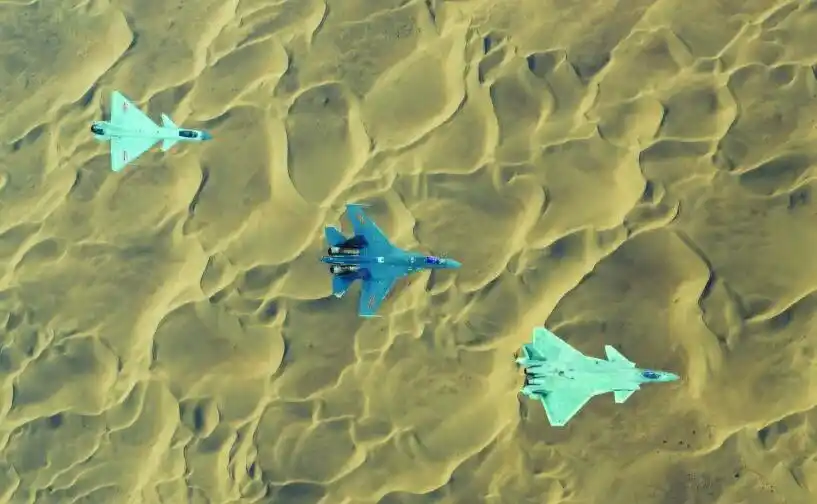
In a surprising turn of events, China’s state media has claimed that its 4.5-generation J-10C fighter jet successfully “shot down” a 5th-generation J-20 stealth fighter during a recent war drill conducted by the People’s Liberation Army Air Force (PLAAF). The revelation, first aired via the Global Times and CCTV, signals a potentially calculated campaign to promote the J-10C for international markets as a “stealth killer” — a bold upgrade from its earlier promotional tagline, “Rafale Killer.”
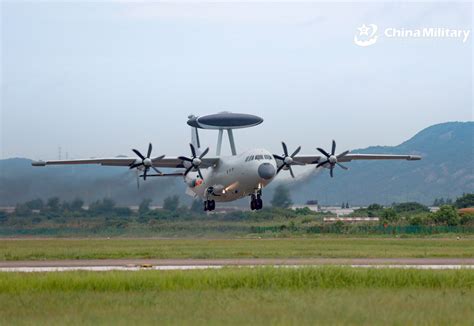
The incident reportedly unfolded during a highly classified military exercise featuring a mix of advanced platforms, including the J-10C, J-20, KJ-500 early warning aircraft, and J-16D electronic warfare jets. It was pilot Xiao Nan, flying the J-10C, who made the decisive strike. Nan’s aircraft initially lost radar lock after missile launch — a sign either of stealth evasion or electronic jamming — prompting him to call for system-wide support.
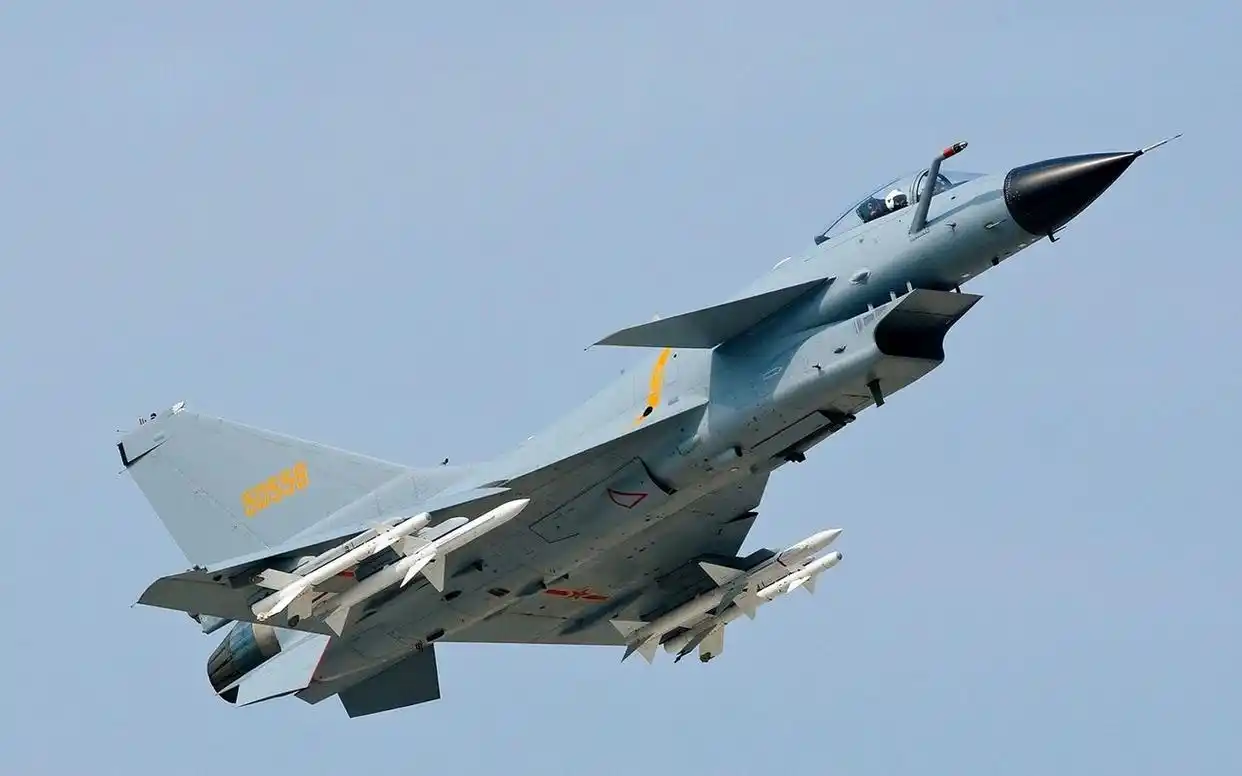
Through what experts now identify as an integrated kill chain system, the target was reacquired by a networked unit — likely the KJ-500 — and the missile redirected mid-flight, culminating in the simulated destruction of the J-20. This was the first recorded instance of a successful stealth target takedown by the J-10C unit.
PLA’s ‘Kill Chain’: The Invisible Force Behind the Victory
Although the Chinese media refrained from disclosing exact tactical details, it’s evident that the same multi-domain, multi-platform “kill chain” used during the India-Pakistan aerial skirmishes of May 2025 was in play here. The strategy, often summarized as “Locked by A, Launched by B, Guided by C,” involves the orchestration of multiple assets — from ground-based radars and early warning aircraft to data-linked fighters.
In this case:
- The KJ-500 likely performed initial target illumination.
- The J-10C, operating on a low-emission profile, fired the missile.
- The two-way datalink enabled mid-course guidance updates, leading to target acquisition.
This real-time cooperation underlines the system-centric warfare doctrine China is evolving toward. It’s not simply about which platform is more advanced, but how seamlessly those platforms operate as a network.
Technology vs. Tactics: How Did a 4.5-Gen Jet Outgun a 5th-Gen Stealth Fighter?
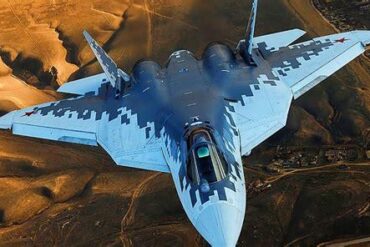
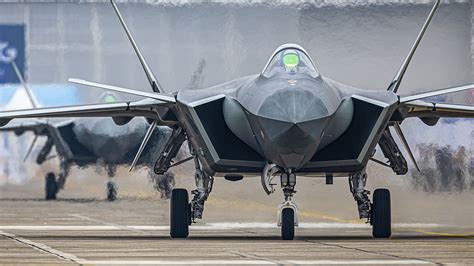
The J-20 is China’s pride — a 5th-generation stealth air superiority fighter, equipped with advanced sensors, radar-evading capabilities, and high thrust-to-weight ratio engines. The J-10C, by contrast, is a 4.5-generation multirole fighter, albeit enhanced with AESA radar, infrared search and track (IRST), and electronic warfare systems.
Yet in simulated combat, the older platform emerged victorious.
As aviation analyst Wang Ya’nan, editor-in-chief of Aerospace Knowledge magazine, explained: “While the J-10C is world-class, it would normally be outmatched by the J-20 in one-on-one combat. The turning point was not pilot skill or pure aircraft specs — it was system support.”
In this sense, the drill outcome does not discredit the J-20’s stealth capabilities, but rather highlights the importance of interconnected command-and-control systems in modern air warfare. Without networked warfare, even the most cutting-edge stealth platform becomes vulnerable.
Echoes from the Subcontinent: Pakistan’s Combat-Tested ‘Kill Chain’
This isn’t the first time the J-10C’s victory was attributed to a broader system-of-systems approach. Earlier in 2025, during the India-Pakistan air engagement, the Pakistan Air Force (PAF) used an identical framework to allegedly shoot down multiple Indian fighters, including three Rafales.
That encounter, documented in both Chinese military journals and corroborated by Reuters, described a seamless integration of:
- PAF J-10Cs
- Chinese radars
- Swedish AEW&C platforms
- Data Link 17, a Pakistan-developed communications system
By allowing J-10s to operate with radar turned off — relying on data fed from distant surveillance aircraft — Pakistan created a low-signature, high-accuracy engagement envelope. China seems to be mirroring the same doctrine in its internal exercises.
A Calculated Marketing Gambit: Why Sacrifice the J-20’s Image?
The immediate question many analysts are asking is: Why would Beijing publicize the defeat of its own flagship stealth fighter? At first glance, it appears counterproductive — after all, the J-20 is the crown jewel of China’s aerospace ambitions.
However, this media narrative is not an act of self-sabotage but a carefully constructed marketing strategy aimed at elevating the export potential of the J-10C.
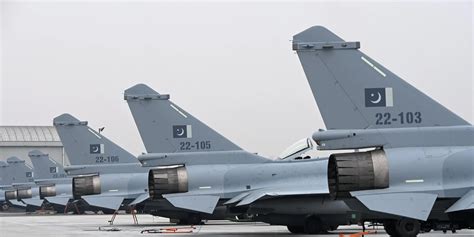
While the J-20 remains strictly off-limits for foreign customers, the J-10C is available for export. So far, only Pakistan has placed a confirmed order — 25 jets with an option for 11 more — and began receiving them in 2022. But China’s ambitions don’t stop there. The nation is actively targeting air forces in Egypt, Bangladesh, Indonesia, Colombia, Saudi Arabia, and Malaysia.
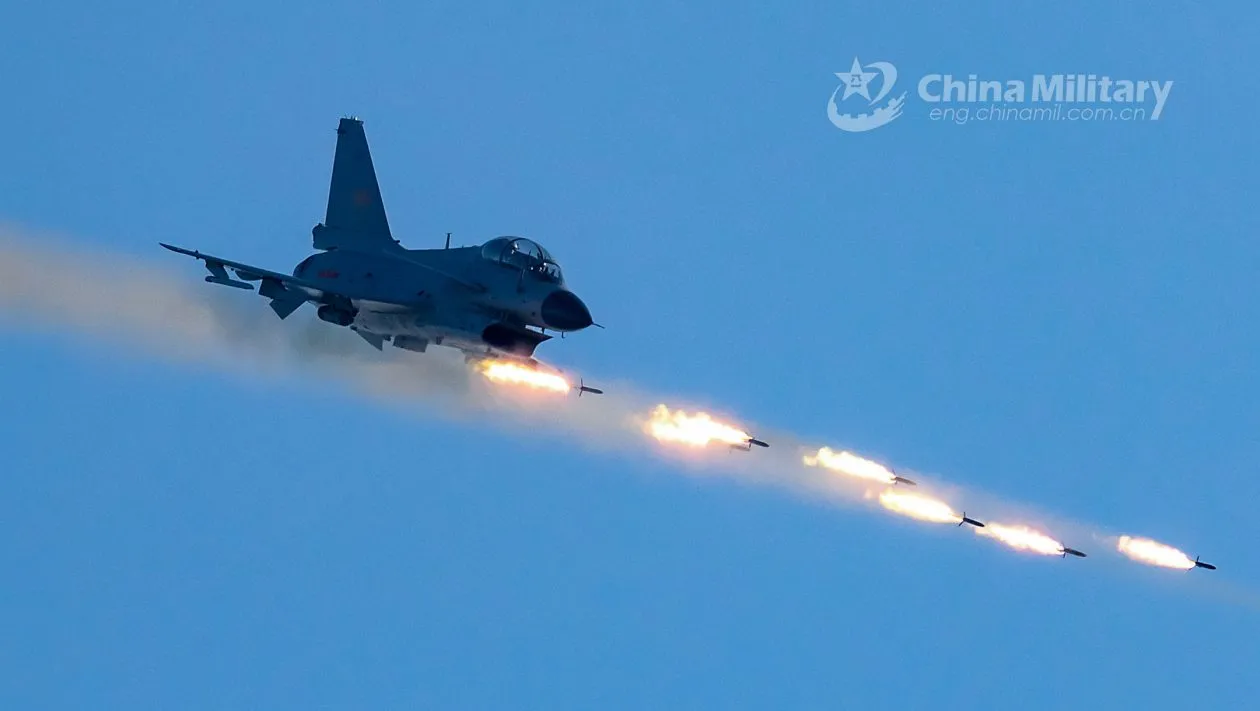
By promoting the J-10C as a “stealth killer,” China is attempting to leapfrog a major hurdle in the global defense market: combat validation. For decades, Chinese aircraft have struggled with reputation issues due to limited combat records. But with the PAF’s claimed victories and now domestic exercises showing similar success, Beijing seeks to brand the J-10C as both lethal and proven.
A Glimpse Into China’s Export Strategy: The J-35, Not the J-20
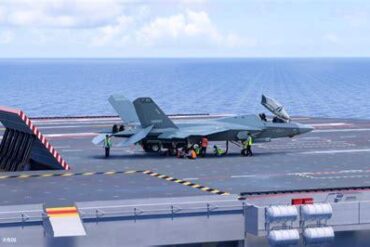
Another subtle revelation is that China’s decision not to offer the J-20 for export seems intentional and strategic. Instead, it is pushing the J-35A — a smaller, carrier-capable stealth fighter. According to reports, Pakistan has already inked a deal for 40 J-35A units, signaling Beijing’s preference to offer newer platforms over its best technology.
So, by creating a scenario where the J-10C defeats the J-20, China is both protecting the exclusivity of the J-20 and highlighting the export-worthiness of the J-10C. It’s a dual-pronged narrative aimed at maintaining internal technological dominance while expanding international influence.
Tactical Theater or Technical Truth?
Critics argue the entire drill could be a scripted demonstration rather than a genuine outcome of unmoderated war games. The Chinese military, like most authoritarian institutions, maintains tight control over media messaging. It’s entirely possible the J-20’s defeat was not just allowed, but engineered, to serve broader geopolitical and economic aims.
Still, the scenario brings forward pressing questions about the evolving nature of air combat. In an era dominated by stealth, jamming, electronic deception, and data fusion, the platform vs. platform paradigm is dying. What matters now is how nodes connect within a networked battlefield.
In that regard, this story isn’t just about a stealth fighter getting bested. It’s about how nations are moving toward system-centric warfare, where victories are decided not by who has the fastest jet, but by who controls the information.
Conclusion: J-10C’s Media Moment Masks a Broader Doctrine
By allowing — or orchestrating — its most advanced stealth fighter to be ‘shot down’ by a less advanced but system-integrated fighter, China has made a bold statement. The real message here is not about the individual aircraft but about the new reality of warfare: Integrated systems win wars, not standalone machines.
The J-10C, already cast as a “Rafale Killer,” is now being marketed as a “Stealth Killer.” Whether this will be enough to boost its standing in the global arms market remains to be seen. But one thing is certain: China is not just selling aircraft — it’s selling doctrine.
And the world is watching closely.