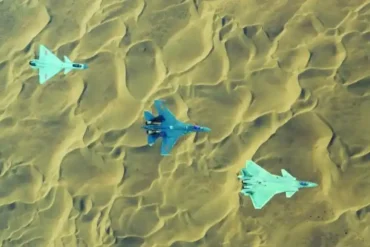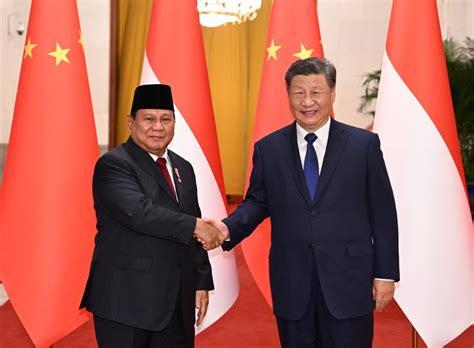
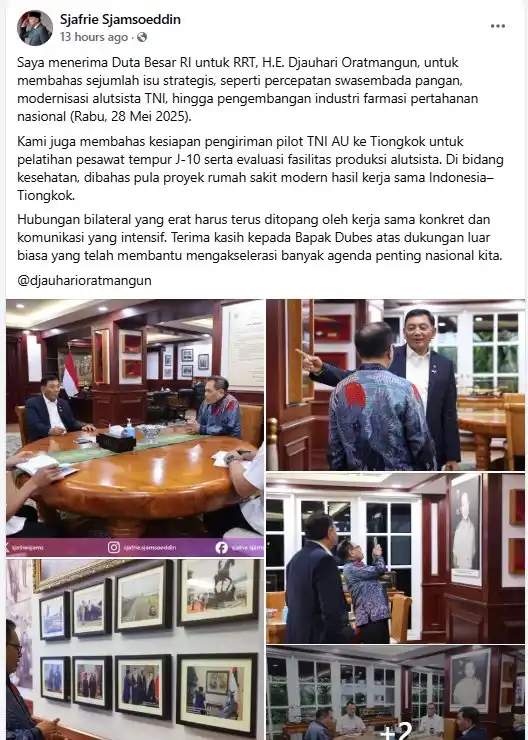
In a dramatic turn of Southeast Asia’s defense dynamics, Indonesia is reportedly preparing to send its Air Force (TNI-AU) pilots to China for training on the Chengdu J-10C multirole fighter jets, in what appears to be a groundbreaking pivot in Jakarta’s military strategy. The decision, though not officially confirmed, surfaced through a now-deleted social media post made by Defence Minister Sjafrie Sjamsoeddin on May 28, following a high-level meeting with Indonesian Ambassador to China Djauhari Oratmangun.
The post detailed multiple discussions on strategic cooperation, including food security and defense industry ties. However, the most compelling revelation was the proposed deployment of TNI-AU pilots to China for J-10 training. The sudden deletion of the post only fueled speculation and highlighted the sensitivity and geopolitical weight of the initiative.
A Strategic Pivot Amid Rising Regional Tensions
Indonesia’s interest in acquiring 42 second-hand J-10C aircraft from China coincides with increasing military tensions in the Indo-Pacific and a noticeable shift in Jakarta’s procurement philosophy. With the country also revisiting its previous Su-35 Flanker-E deal with Russia, the pursuit of both Chinese and Russian platforms signals a strategic diversification away from Western dependency.
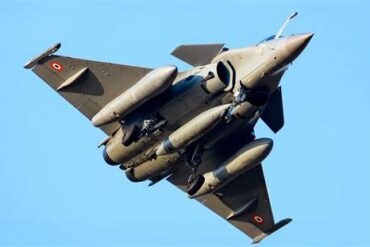
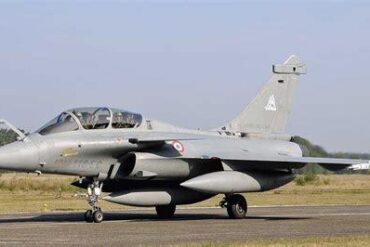
This dual-track acquisition approach comes as Indonesia readies to welcome its first shipment of Dassault Rafale multirole jets from France in early 2026. However, recent battlefield claims involving the J-10C’s performance in South Asia—particularly its alleged success against Indian Rafales—have raised serious eyebrows across defense sectors worldwide.
The Rafale Killer: Combat Performance and Global Perception
The J-10C’s label as a “Rafale Killer” stems from unverified yet widely circulated reports asserting that Pakistan Air Force J-10Cs, equipped with PL-15 beyond-visual-range (BVR) missiles, successfully downed six Indian aircraft during an aerial confrontation. Among them were allegedly three Rafales, a MiG-29, a Su-30MKI, and a Mirage 2000.
While India has denied these losses, Pakistan’s then-Foreign Minister Ishaq Dar publicly claimed responsibility, citing the PL-15E missile’s advanced tracking and kill range of over 200 km as the game-changer in the encounter. These claims, whether factual or exaggerated, have already shaped regional procurement debates and shifted investor sentiment—with Chengdu Aerospace Corporation stocks rising and Dassault Aviation’s shares taking a hit.
J-10C Capabilities and Operational Superiority
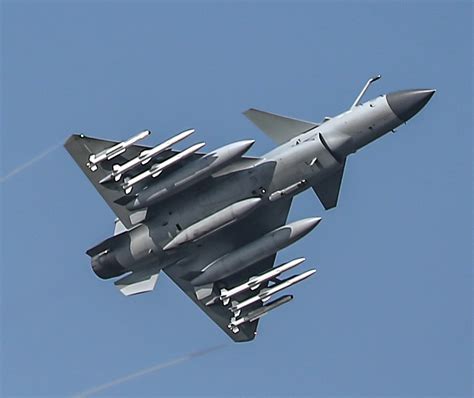
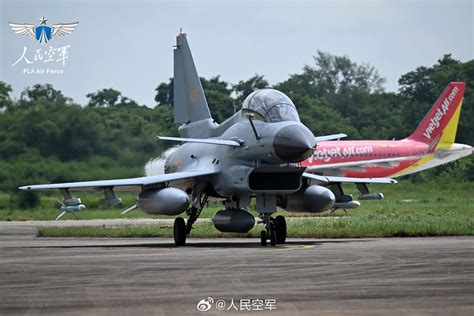
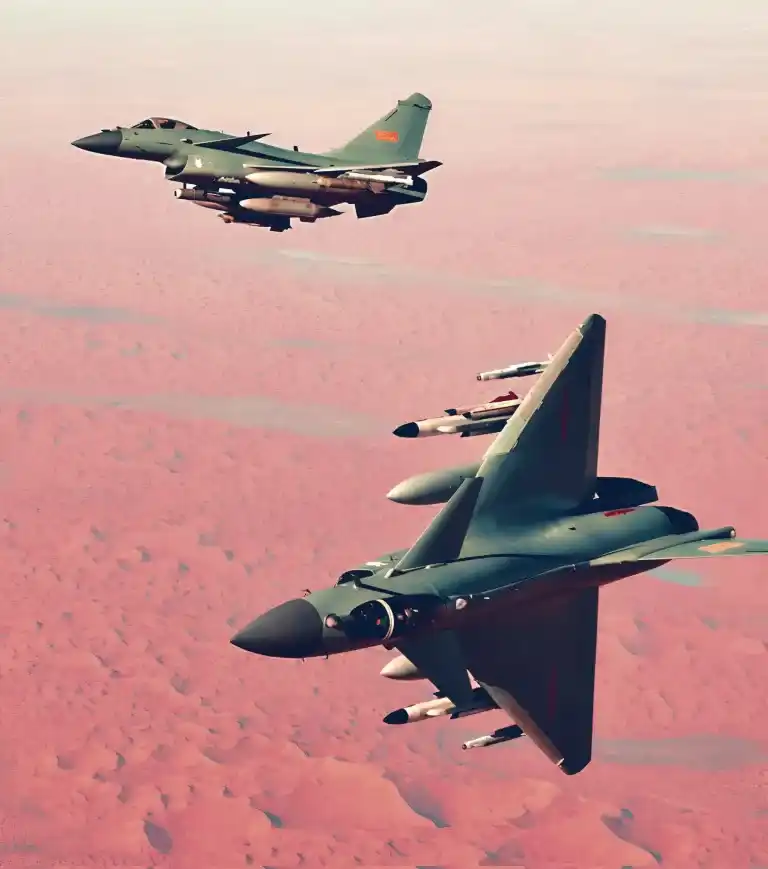
The J-10C, built by the Chengdu Aircraft Industry Group under AVIC, represents the most advanced variant in China’s J-10 series. It is equipped with:
- AESA radar systems capable of tracking multiple targets simultaneously while resisting electronic countermeasures.
- A delta-canard aerodynamic configuration that enhances agility and maneuverability in air-to-air combat.
- A glass cockpit with fly-by-wire controls, digital multifunction displays, and helmet-mounted sights for advanced situational awareness.
- The WS-10B turbofan engine, providing improved thrust and autonomy.
- Integrated electronic warfare suites, including RWR, ECM pods, and IRST systems for passive target detection.
Technical Specifications of J-10C Fighter
- Speed: Mach 2.0
- Operational Ceiling: 18,000 meters
- Combat Radius: 1,100–1,500 km (varies by payload)
- Ferry Range: Over 3,000 km with external tanks
- Armament: 11 hardpoints; PL-15 BVR, PL-10 IR, KD-88 precision strike missiles, and YJ-91 anti-ship/radar missiles
J-10CE: A Scalable Export Variant with Real-World Validation
The J-10CE, a variant tailored for export, retains the combat-proven configuration of the PAF’s operational fleet. It gained immense attention during the LIMA 2025 aerospace expo in Langkawi, where China’s state-run Global Times reported it as the central attraction at Beijing’s defense booth.
This exposure came in the wake of increased global interest in non-Western defense platforms, especially among nations seeking to avoid political entanglements or inflated costs associated with U.S. and NATO-aligned arms. The China National Aero-Technology Import & Export Corporation (CATIC) is actively promoting the J-10CE as a modern, affordable, and capable alternative to Western platforms.
Indonesia’s Calculated Gamble: Breaking the Western Arms Monopoly?
Indonesia’s emerging tilt toward Chinese and Russian platforms hints at a geostrategic recalibration. Following prolonged procurement delays, U.S. export control regimes, and logistical bottlenecks, Jakarta appears unwilling to be caught flat-footed in a region where military modernization is accelerating rapidly.
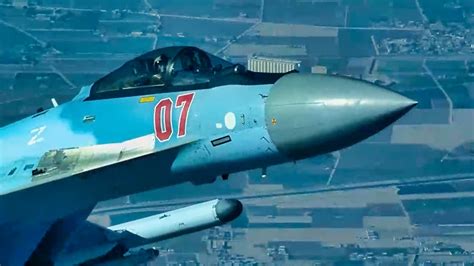
In 2018, Indonesia signed a $1.14 billion contract for 11 Su-35 jets from Russia, but Western sanctions—especially the CAATSA (Countering America’s Adversaries Through Sanctions Act)—halted progress. Russia’s Ambassador to Indonesia, Sergei Tolchenov, recently confirmed that the Su-35 deal remains active, stating that talks will resume “in due time.”
This confirmation, coupled with J-10C pilot deployment discussions, places Indonesia at the epicenter of a defense realignment that could embolden other Southeast Asian states to follow suit.
What This Means for Indo-Pacific Security Architecture
Indonesia’s Air Force modernization trajectory now features a rare mix of Western, Chinese, and Russian platforms, effectively insulating Jakarta from monopolar arms reliance and potentially offering unique interoperability advantages—or challenges.
If Indonesia confirms the acquisition of J-10C units, the country will be the second in Asia—after Pakistan—to integrate the platform into an active defense doctrine. This move could have far-reaching implications:
- ASEAN military balance may tilt, especially in maritime disputes over the South China Sea.
- U.S. and European defense firms could lose further market share in emerging economies.
- Beijing’s arms diplomacy will gain a powerful foothold in Southeast Asia.
Conclusion: A Defining Moment in Jakarta’s Defense Posture
While the formal confirmation of TNI-AU pilot training in China and the purchase of J-10C aircraft remains pending, the groundwork is clearly being laid. Jakarta’s strategic intent is transparent: acquire credible deterrence through diversified sources, stay ahead in a volatile security landscape, and challenge the traditional Western arms dominance in Asia.
As Southeast Asia braces for the Indo Defence Expo 2025 in June, all eyes will be on Jakarta’s announcements. If confirmed, Indonesia’s bold step toward the J-10C could mark the dawn of a new airpower doctrine—one not defined by geography or alliances, but by performance, autonomy, and readiness.