Indonesia is rapidly reshaping its aerial combat capabilities with a stunning spree of multibillion-dollar fighter jet acquisitions, signaling its ambitions to become a dominant air power in the Asia-Pacific region. Under the leadership of newly-elected President Prabowo Subianto, Jakarta has either signed, revived, or explored deals that span across five different continents and include some of the world’s most advanced multirole fighter platforms.
Indonesia Secures Turkish-Built KAAN 5th-Generation Jets
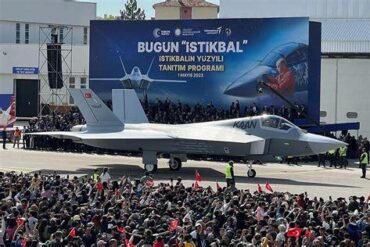
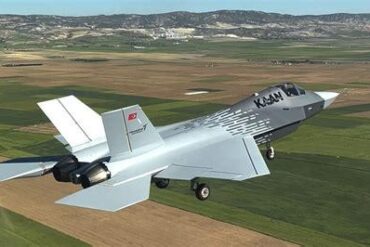
In a historic breakthrough, Indonesia became the first international buyer of Turkey’s fifth-generation KAAN fighter jet, formerly known as TF-X. On June 11, Turkish President Recep Tayyip Erdoğan confirmed that a deal had been struck for the delivery of 48 KAAN jets, valued at approximately $10 billion.
The contract includes not only full-scale production and delivery from Turkey over the next decade but also a technology transfer component, which will integrate Indonesian industrial participation into the aircraft’s production pipeline. This move elevates Indonesia from a mere customer to an industrial collaborator.
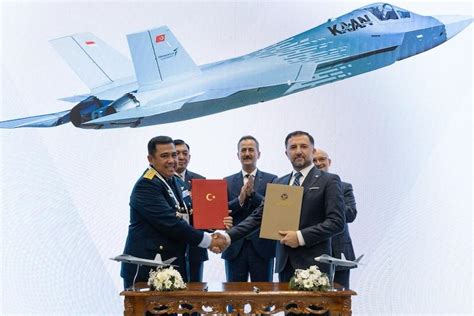
The KAAN is Turkey’s answer to Western and Russian fifth-generation stealth aircraft, aiming to rival platforms like the F-35 and Su-57. With stealth features, supercruise capability, and cutting-edge avionics, KAAN represents a substantial leap from Indonesia’s current airframes.
KF-21 Partnership: Reviving Faith in Korean Defense Ties
Indonesia also doubled down on its commitment to South Korea’s KF-21 Boramae fighter jet program. The two countries renewed their strategic cooperation just a day after the KAAN deal, signaling continuity despite a history of missed payments and political tensions.
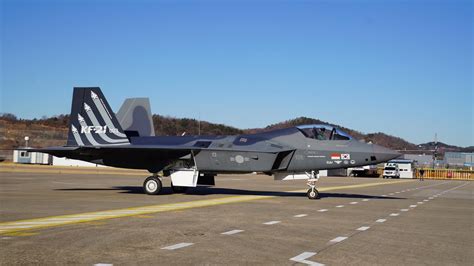
Jakarta has been a partner in the KF-21 program since 2015, with a 20% financial stake. While there were moments where Seoul questioned Jakarta’s sincerity—especially after incidents involving unauthorized data access—the recent signing reassures stakeholders that Indonesia remains onboard.
The KF-21, a 4.5-generation fighter, is seen as a cost-effective bridge between current-gen platforms and true stealth aircraft. It features AESA radar, reduced radar cross-section, and a multirole design, making it attractive for regional operations.
Revisiting the Russian Su-35: A Persistent Temptation
In an interesting twist, President Prabowo is now preparing for a state visit to Russia from June 18 to 20, where talks with President Vladimir Putin may reintroduce the long-stalled Su-35 Flanker-E fighter deal.
Initially signed in 2018, the agreement included 11 Su-35s for $1.14 billion, with Russia accepting 50% of the payment in commodities and promising a 35% industrial offset. However, the deal collapsed under budgetary pressures and fears of U.S. sanctions under CAATSA (Countering America’s Adversaries Through Sanctions Act).
Still, neither Jakarta nor Moscow has officially shelved the project. The Russian ambassador to Indonesia stated as recently as January 2025 that the deal was “still on the table.”
Given Indonesia’s familiarity with the Su-27/Su-30 airframes, incorporating Su-35s could provide logistical and operational efficiencies.
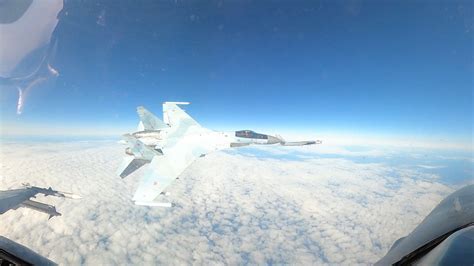
The French Rafale Deal: The Backbone of Modernization
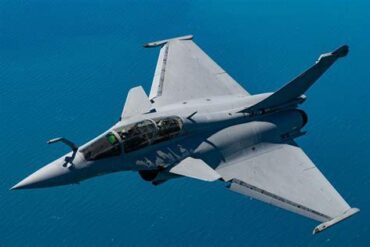
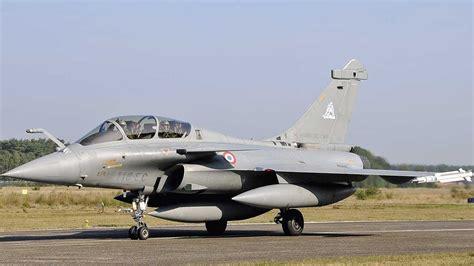
In February 2022, Indonesia signed a landmark $8.1 billion contract with France for 42 Rafale fighter jets—a move widely seen as Jakarta’s biggest-ever air force modernization initiative. Manufactured by Dassault Aviation, the Rafale F4 variant promises multirole capabilities, low observability, and full compatibility with NATO-standard weapons.
To date, deliveries are on schedule, and discussions for a second batch are underway. A Letter of Intent to acquire additional Rafales has already been signed, highlighting the confidence Indonesia has in France’s aerospace technologies.
This acquisition signals a shift toward Western combat systems, which may gradually reduce Indonesia’s dependence on older Russian hardware, even if new Russian purchases like the Su-35 are still under review.
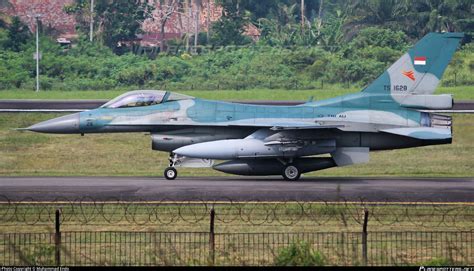
F-15EX from the U.S.: A Deal Still Alive
In parallel with its French and Turkish alignments, Indonesia is also eyeing a high-profile American aircraft: the F-15EX Eagle II, Boeing’s latest iteration of the famed air superiority fighter. In 2022, Jakarta signed a memorandum of understanding to procure up to 24 F-15EX units, though the agreement’s cost—an estimated $8 billion—has raised eyebrows.
Despite budget scrutiny and policy inertia, Indonesian officials have not officially backed away. The F-15EX, equipped with advanced radar, electronic warfare suites, and increased weapon capacity, would offer Indonesia a near-peer air dominance capability, capable of operating across maritime and continental battle spaces.
A Glance Toward China: The J-10C Offer
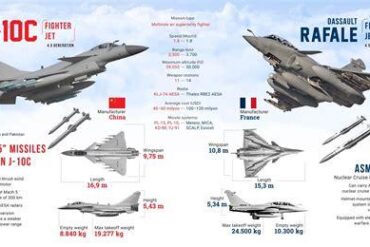
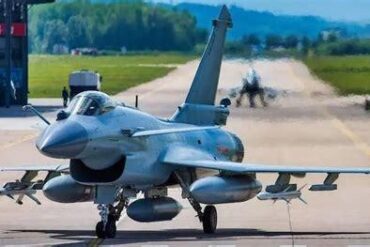
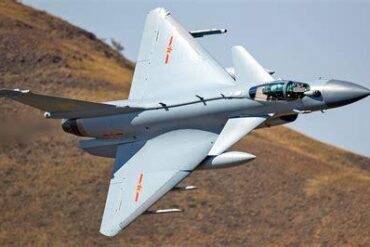
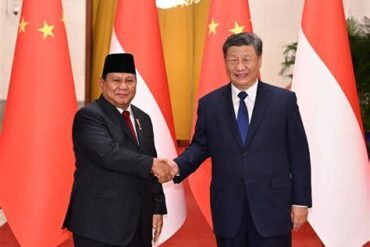
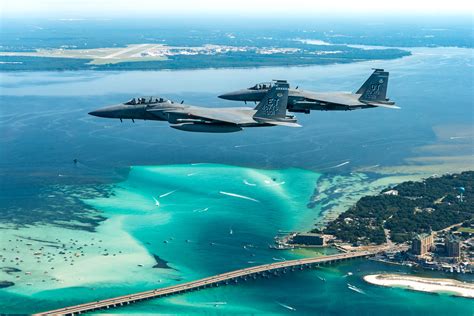
Indonesia’s expansive defense shopping list includes an unsolicited offer from China to purchase the J-10C multirole fighter. Confirmed by Deputy Defense Minister Donny Ermawan Taufanto, the offer came during an official Indonesian Air Force visit to China.
While Jakarta has not yet sent a technical delegation to evaluate the J-10C, the proposal is under internal review. Beijing’s push likely hinges on recent reports in Chinese state media, which allege that Pakistan’s J-10CEs downed three Indian Rafales in May 2025.
If verified, this would significantly boost the credibility of China’s fourth-gen aircraft, which features AESA radar, WS-10B engines, and PL-15 long-range air-to-air missiles.
Diversity or Dilemma? Operational Complexities Await
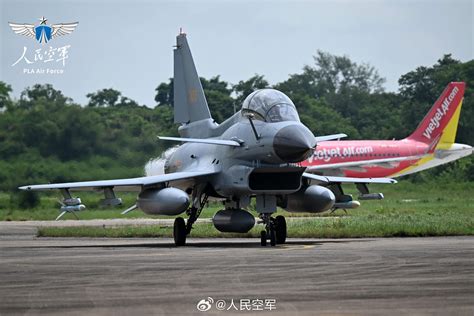
With deals or offers now covering the KAAN, Rafale, F-15EX, KF-21, Su-35, and potentially the J-10C, Indonesia could soon field one of the most diverse combat aircraft fleets in the world. The implications are mixed.
On the one hand, this approach reflects a robust defense diplomacy strategy, diversifying sources to avoid political over-dependence. On the other, such diversity could impose intense maintenance burdens, supply chain fragmentation, and training inconsistencies.
Indonesia’s Air Force will face challenges managing:
- Six different jet ecosystems
- Unique munitions types for each supplier
- Conflicting software interfaces and avionics standards
- Longer logistics chains for spare parts and servicing
Moreover, interoperability during joint operations—either within its own forces or with allies—may suffer if no unifying standards are enforced.
Strategic Calculations Behind Indonesia’s Spree
Beyond the hardware, Indonesia’s spree reflects a deeper geo-strategic calculus. The country, which lies along the vital Malacca Strait, is navigating increased tensions in the South China Sea, growing great power rivalry, and regional instability.
President Prabowo appears determined to elevate Indonesia’s profile as a middle power, leveraging defense procurement as a tool of both deterrence and diplomacy. By playing multiple sides—Turkey, South Korea, France, Russia, China, and the U.S.—Jakarta enhances its strategic autonomy.
Final Thoughts: A Gamble for Supremacy or a Recipe for Overreach?
Indonesia’s defense strategy is both ambitious and unprecedented. While its motivation to modernize an aging fleet is justified, the path it has taken is complex, costly, and politically sensitive. Each aircraft brings its own strengths—but also its baggage.
Whether this gamble pays off or creates operational gridlock will hinge on Jakarta’s ability to manage integration, logistics, and training across six distinct fighter platforms. If done right, Indonesia could emerge as a regional powerhouse with unmatched aerial versatility. If mismanaged, it risks operational fragmentation and diplomatic backlash.
Either way, the world is watching as Indonesia rewrites the rules of fighter jet diplomacy in the 21st century.