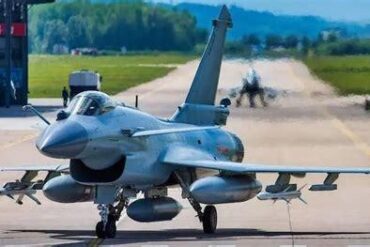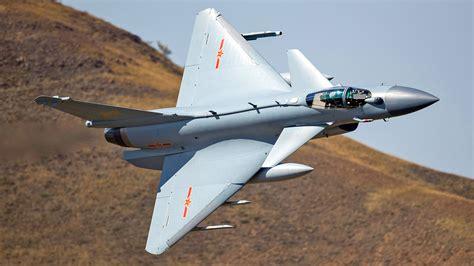
Indonesia is on the verge of making a significant strategic pivot in its military aviation strategy by considering the acquisition of 42 second-hand Chengdu J-10 Vigorous Dragon fighter jets from China. This move comes amid limited progress on a multibillion-dollar F-15EX agreement with the United States and reflects Jakarta’s evolving defense calculus driven by operational urgency, regional dynamics, and deepening economic ties with Beijing.
The proposed procurement, as reported by Intelligence Online on May 26, 2025, would mark a notable shift in Indonesia’s approach to its airpower modernization. The J-10s would be sourced directly from operational squadrons within the People’s Liberation Army Air Force (PLAAF), bypassing production delays and allowing for immediate transfer. According to Indonesian defense insiders, including a now-deleted Facebook post by Defense Minister Sjafrie Sjamsoeddin, the deal is expected to include pilot training in China and possible upgrades to meet Indonesian operational standards.
Strategic Timing and Indo Defence Expo Announcement
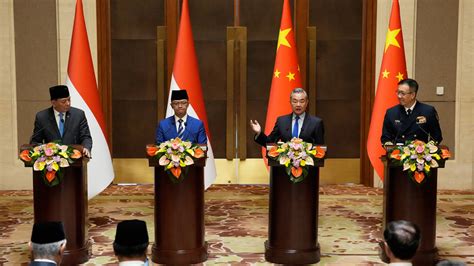
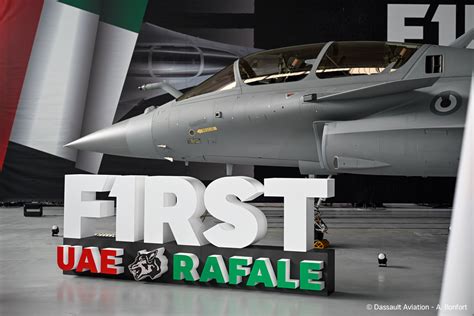
The acquisition could be publicly announced during the Indo Defence Expo & Forum in Jakarta, scheduled for June 11–14, 2025. The urgency of the deal is driven in part by the need to replace Indonesia’s aging F-5E/F Tiger II fleet, which has long since retired, and to fill gaps left by delayed deliveries from other platforms. The J-10 proposal not only provides a quick replacement but could also enable Indonesia to maintain combat readiness during the critical window before the arrival of Western aircraft like the Rafale.
China’s willingness to part with active-duty fighters—rather than export-dedicated variants—underscores Beijing’s intent to fast-track the deal. This proposal reportedly includes not just aircraft, but an extensive package of support equipment, frigates, and weapons, as revealed by Indonesian Deputy Defense Minister Donny Ermawan Taufanto. He emphasized that compatibility, price, and after-sales support remain under evaluation.
A History of Delayed and Diversified Procurement
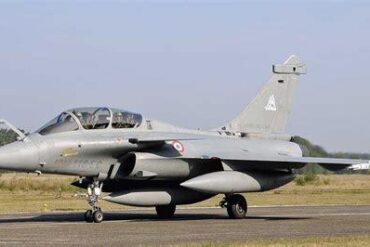
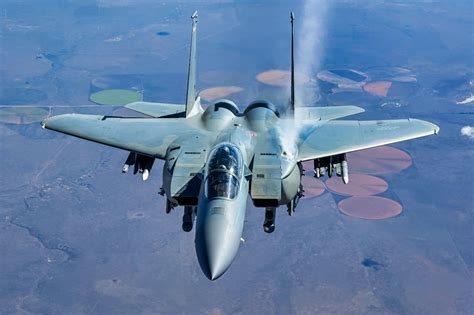
Indonesia’s military modernization trajectory has been anything but linear. A previous attempt to procure 16 Su-35s from Russia fell apart amid fears of U.S. secondary sanctions under CAATSA, despite 11 units being contracted in 2018. The program was formally cancelled in 2021. In the wake of that setback, Indonesia turned westward, signing a 2022 agreement with Dassault Aviation for 42 Rafale F4 fighters, of which 24 have been ordered to date. Simultaneously, a 2023 memorandum was signed with Boeing for 24 F-15EX Eagle II fighters, to be designated F-15IDN locally, with a projected contract value of up to $13.9 billion.
Despite these high-profile moves, cost, delivery timeframes, and industrial content requirements have introduced friction. Boeing promised to integrate 85% local content into the F-15EX platform, a challenging goal. The deal’s slow progression has opened the door for alternatives like the J-10, which now benefits from Jakarta’s desire for near-term operational assets.
The Combat Credibility of the J-10C Platform
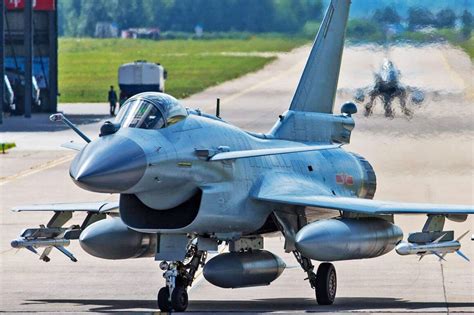
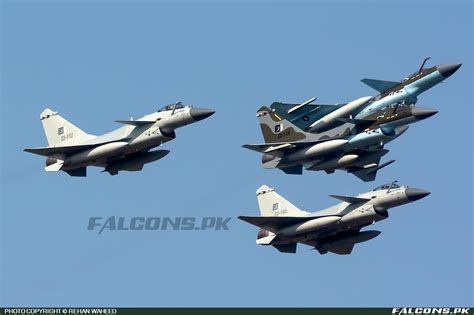
China’s J-10C platform gained new attention following its reported combat debut in the India–Pakistan conflict of April–May 2025. During this confrontation, the Pakistan Air Force (PAF) claimed its J-10C jets successfully shot down several Indian aircraft—including Rafale EH, Su-30MKI, and Mirage 2000H—using PL-15 long-range air-to-air missiles. While India has not confirmed the losses, French intelligence sources acknowledged the probable downing of at least one Rafale.
This revelation has enhanced the J-10’s profile on the global arms market. China has since showcased the J-10C’s battlefield performance in export pitches to other nations, including Colombia. For Indonesia, the combat-proven capabilities of the J-10C—when coupled with favorable financing and immediate availability—make it a compelling interim option.
Balancing Global Ties and Defense Autonomy
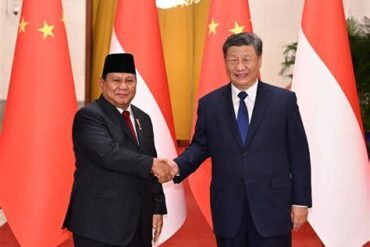
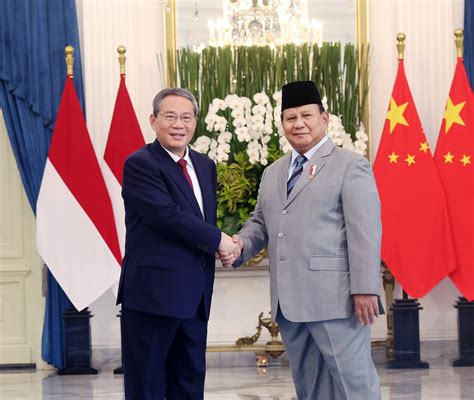
The procurement consideration takes place within the broader context of deepening Sino-Indonesian relations. In January 2025, Indonesia officially joined the BRICS grouping. President Prabowo Subianto has made multiple visits to China both before and after assuming office, affirming his commitment to strengthening bilateral defense and economic cooperation.
During Premier Li Qiang’s May 2025 state visit to Jakarta, Prabowo emphasized the vision of building a “China–Indonesia community of destiny”. Trade between the two nations has skyrocketed, reaching $135.17 billion in 2024, with China becoming Indonesia’s largest trading partner and foreign investor. These political and economic dynamics are likely to influence Jakarta’s willingness to procure major defense systems from Beijing.
Challenges of Multi-Origin Fighter Fleets
Should the J-10 deal proceed, Indonesia would become the first country to operate both the Rafale and J-10 concurrently—66 canard-delta fighters in total. This diversification provides strategic redundancy but also introduces complex logistical and operational hurdles. The Indonesian Air Force would face the challenge of maintaining multiple maintenance infrastructures, distinct training regimens, and non-interoperable weapons systems across aircraft from China, France, the U.S., South Korea, and possibly Russia.
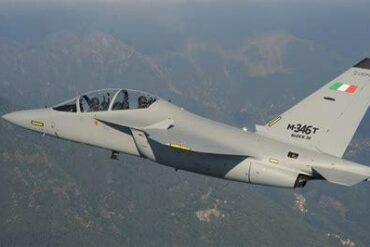
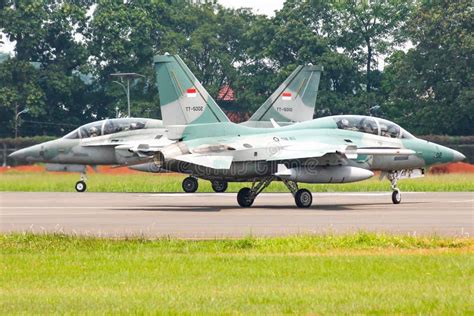
Indonesia’s current fleet includes F-16s, Su-27s, Su-30s, TA-50 trainers, and Hawk 209 light attack aircraft. The introduction of the J-10s—though helpful in closing immediate capability gaps—risks complicating sustainment logistics and interoperability, particularly in multinational exercises or coalition operations.
Implications for the F-15EX Program and U.S. Relations
Jakarta’s apparent deprioritization of the F-15EX deal signals a notable shift in its defense posture. While not yet cancelled, the stagnation of the Boeing deal—despite U.S. efforts to meet industrial offset demands—may strain broader U.S.–Indonesia defense relations. The F-15IDN program was considered a landmark opportunity for joint industrial cooperation, potentially aligning U.S. aerospace capabilities with Indonesia’s growing manufacturing sector.
Still, Indonesia appears to be hedging its bets. In May 2025, Jakarta signed a letter of intent with France that could expand Rafale orders and include Scorpène-class submarines. Agreements with Thales for 13 air surveillance radars and Naval Group for Scorpène construction with PT PAL further anchor the French defense footprint.
Broader Strategic Calculations and Defense Autonomy
Jakarta’s choice to evaluate the J-10 alongside other options underscores a desire for strategic autonomy. By maintaining a diversified supplier base, Indonesia reduces its vulnerability to political pressure from any single source. This strategy echoes Indonesia’s traditional non-aligned stance and could reflect broader ambitions under Prabowo’s leadership to position the country as a regional powerbroker with multiple defense channels.
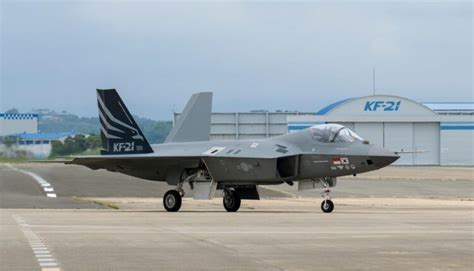
However, sustaining such diversity will be cost-intensive and technically demanding. Long-term questions remain about whether Indonesia can maintain operational efficiency, pilot proficiency, and cost control while juggling this level of complexity. Nonetheless, the J-10 acquisition—should it be confirmed—would likely serve as a stopgap, bridging the gap between legacy systems and the arrival of newer, more advanced aircraft like the Rafale and potentially the KF-21 Boramae.
Conclusion
Indonesia’s pursuit of the J-10 deal with China marks a critical moment in its evolving defense doctrine. The combination of urgent operational needs, geopolitical realignments, and shifting procurement priorities appears to be pushing Jakarta toward a defense framework that favors flexibility over standardization. Whether this approach will enhance Indonesia’s regional power status or strain its military infrastructure remains to be seen. But one thing is certain: the decision made at the Indo Defence Expo 2025 will reverberate far beyond the airfields of Java and Sumatra.