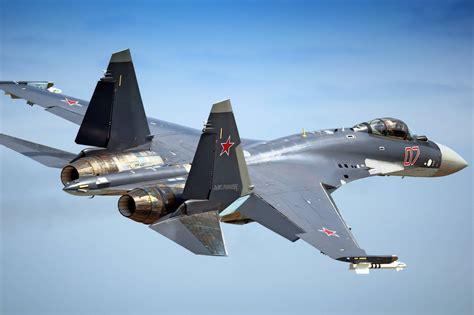
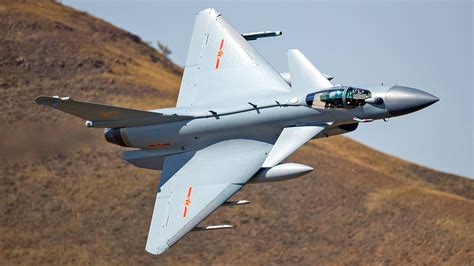
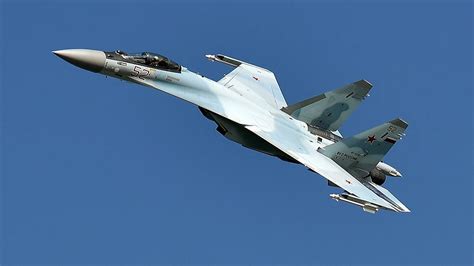
Indonesia appears poised to make a significant pivot in its defense procurement strategy by reportedly considering the acquisition of second-hand fighter jets from China and Russia, a move that marks a departure from its recent preference for Western military hardware. According to credible online defense outlet Alert-5, Jakarta is evaluating the purchase of 42 used Chengdu J-10 multirole fighters from China and plans to revive a previously stalled deal with Russia for the Sukhoi Su-35, one of Moscow’s most advanced air superiority fighters.
The reported shift underscores a complex recalibration of Indonesia’s geopolitical alignments and military priorities. With the Indo Defence Expo and Forum scheduled to take place in Jakarta from June 11 to 14, expectations are mounting that an official announcement could be made during the high-profile event. Neither Jakarta, Beijing, nor Moscow have confirmed the deal, but multiple sources suggest the plans are advancing behind closed doors.
Strategic Procurement: Faster Delivery, Fewer Restrictions
A primary driver behind Indonesia’s consideration of non-Western aircraft is reportedly expedited delivery timelines. Western fighter jets, such as the Dassault Rafale and Lockheed Martin F-16V, come with extensive production backlogs and are often entangled in stringent export controls and approval processes. In contrast, Chinese and Russian offerings could be made available much sooner, leveraging surplus inventories and fewer bureaucratic obstacles.
Alert-5 reports that the J-10 fighters would be drawn from existing People’s Liberation Army Air Force (PLAAF) stockpiles and modified for export, enabling rapid deployment into Indonesia’s operational structure. The Su-35s, originally planned for acquisition several years ago, were shelved due to both budgetary limitations and the looming threat of U.S. CAATSA sanctions—legislation that penalizes countries engaging in significant transactions with Russia’s defense sector.
Historical Context: A Diversified Fleet with Political Overtones
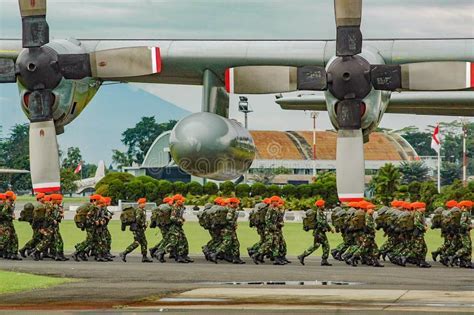
Indonesia has long embraced a multi-vector procurement strategy, sourcing aircraft from a diverse set of suppliers. Currently, the Tentara Nasional Indonesia-Angkatan Udara (TNI-AU) operates a fleet comprising American F-16 Fighting Falcons, Russian Su-27 and Su-30 Flankers, British Aerospace Hawks, and a modest complement of South Korean T-50 Golden Eagles.
This diversity has allowed Indonesia to hedge its geopolitical risks while maintaining flexibility in training, tactics, and strategic posturing. However, this approach has also led to significant maintenance and interoperability challenges, prompting the need for a more cohesive procurement plan moving forward. The renewed interest in Su-35s and J-10s suggests that Jakarta may be leaning toward a pragmatic consolidation based on availability, cost, and geopolitical latitude.
Indonesia’s Geopolitical Calculus: Between BRICS and the West
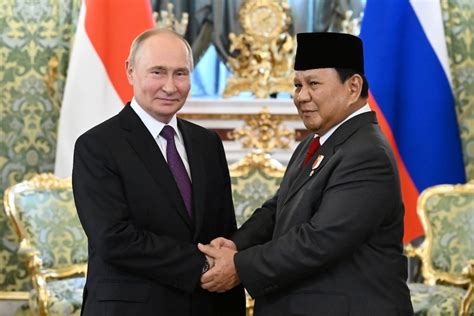
The timing of this potential procurement coincides with Indonesia’s elevated participation in BRICS, a political and economic bloc led by Brazil, Russia, India, China, and South Africa—now expanded to include Indonesia under the leadership of President Prabowo Subianto. The decision to join BRICS signals a strategic rebalancing away from Western-centric alliances, likely driven by the desire for greater sovereignty and policy autonomy.
This alignment has stirred concern among Western partners, particularly Australia, whose officials have quietly monitored the implications of Indonesia’s military engagements. Australia recently received assurances that no Russian military aircraft would be stationed at Manuhua Air Force Base in Biak Numfor, despite reports indicating Moscow had requested access. The incident reflects a delicate balancing act for Jakarta, which seeks to maintain friendly ties with both East and West without alienating any key partners.
Resurrecting the Su-35 Deal: What Changed?
Initially canceled in 2021, the Su-35 deal was thought to be permanently shelved after concerns over affordability and sanctions. Yet, Indonesia’s renewed interest in reviving the agreement appears to reflect both improved bilateral relations with Russia and a growing impatience with Western delays.
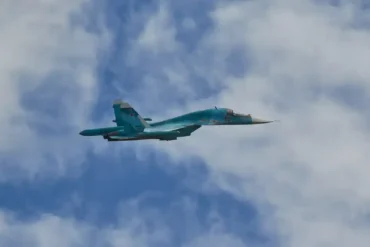
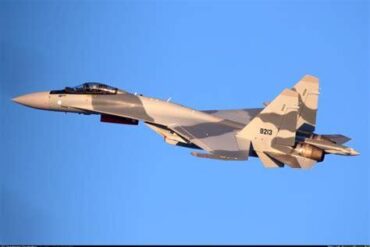
The Su-35, equipped with advanced avionics, thrust-vectoring engines, and powerful radar systems, represents a significant leap in air combat capability for the TNI-AU. Although it lacks stealth features seen in fifth-generation fighters, the Su-35’s maneuverability and multirole versatility could greatly enhance Indonesia’s air defense posture, especially in safeguarding its vast archipelagic borders.
Chinese J-10s: Modern, But With Political Strings?
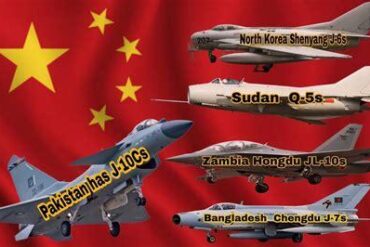
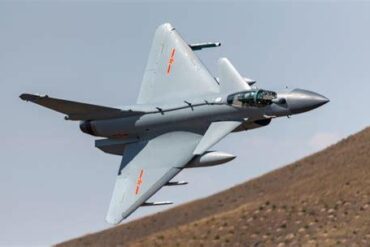
The J-10 is China’s flagship fourth-generation multirole fighter, designed by the Chengdu Aircraft Corporation and often likened to the Israeli Lavi project, which contributed foundational elements to its aerodynamic design. The aircraft is equipped with active electronically scanned array (AESA) radar, a glass cockpit, and can be armed with a variety of short- and medium-range air-to-air missiles.
While the aircraft has proven reliable in the PLAAF’s inventory, analysts warn that the political strings attached to Chinese military exports can create diplomatic friction, particularly in Southeast Asia, where strategic competition between Beijing and Washington remains intense. Nevertheless, Jakarta may calculate that the benefits—namely affordability and rapid deployment—outweigh the risks in this instance.
Domestic and Regional Repercussions
Should Indonesia finalize these acquisitions, the implications will reverberate both domestically and regionally. Domestically, the procurement could prompt political scrutiny from factions wary of deepening defense ties with authoritarian states. It may also raise logistical questions about maintenance, training compatibility, and long-term operational costs.
Regionally, the purchase could signal to neighboring countries that Indonesia is assertively upgrading its defense capabilities, potentially in response to increased maritime tensions in the South China Sea and growing concerns over foreign incursions into Indonesian waters. Given Indonesia’s role as a de facto leader within ASEAN, this move could influence defense postures across the bloc.
The Road Ahead: Indo Defence Expo as the Decisive Platform
The Indo Defence Expo and Forum, scheduled for mid-June, is shaping up to be the likely venue where Jakarta could unveil its procurement strategy. The biennial event, which gathers top defense officials, manufacturers, and analysts, provides the ideal platform for Indonesia to signal its strategic intentions on a global stage.
While there is no official confirmation at this point, the convergence of timing, strategic imperatives, and growing partnerships with Russia and China suggests that Jakarta is seriously considering a reorientation of its air power doctrine. Whether this will ultimately benefit Indonesia’s defense readiness or entangle it in new geopolitical dependencies remains to be seen.
As of now, observers across Asia-Pacific and beyond are watching closely for any developments during the Expo. One thing is clear: Indonesia’s next move could redefine its role in the evolving balance of power in the Indo-Pacific.