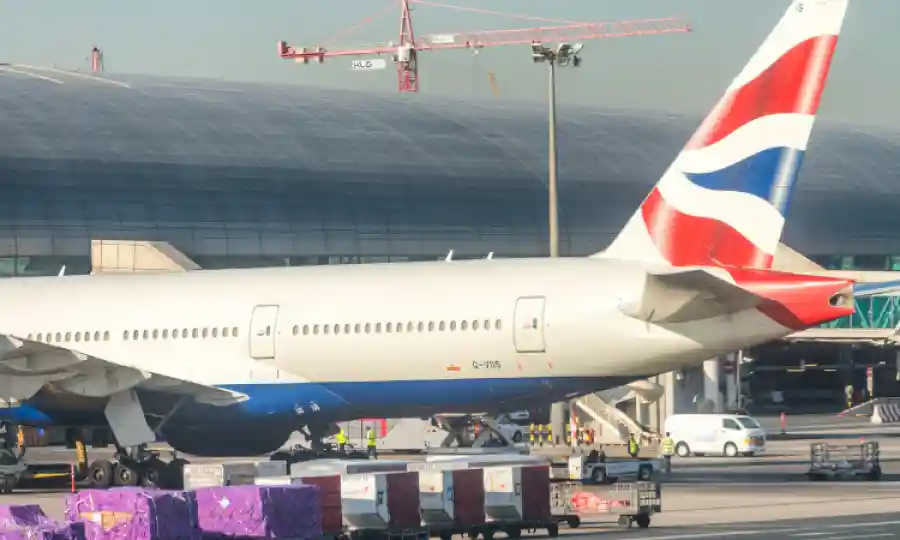
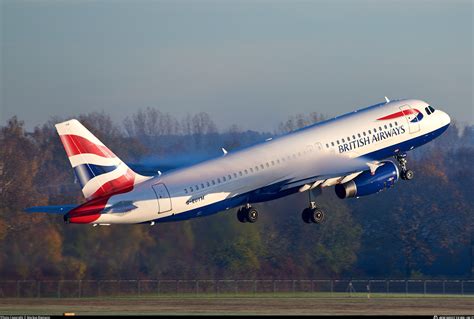
British Airways has officially announced the suspension of its Zagreb service for the upcoming winter 2025 season, marking a significant development in the airline’s ongoing route restructuring. The move underscores the increasingly strategic and data-driven nature of airline network planning, where seasonal demand, economic variables, and broader market trends now play a central role in determining route viability. This suspension comes amid declining winter demand in Croatia, shifting travel patterns, and British Airways’ intent to optimize operational efficiency across its network.
Strategic Reassessment of Route Networks
The decision to withdraw from the London Heathrow–Zagreb route is not merely an isolated response to short-term passenger statistics. Instead, it forms part of British Airways’ larger strategic realignment aimed at consolidating profitable routes, improving fleet utilization, and reducing exposure to underperforming seasonal destinations. As one of the leading European carriers, British Airways continually assesses the economic sustainability of its routes, with winter in Croatia proving less lucrative due to historically lower traffic volumes and reduced business travel activity.
The airline emphasized that evolving market conditions, operational costs, and post-pandemic travel behavior all contributed to the decision. Additionally, British Airways is under increased pressure to compete effectively with low-cost carriers and agile European rivals, many of whom operate more flexible seasonal schedules.
Declining Seasonal Demand and Croatia’s Winter Tourism Pattern
One of the core reasons behind the decision lies in the seasonality of tourism demand in Croatia, particularly in inland destinations like Zagreb. Unlike the country’s coastal regions—such as Dubrovnik and Split—Zagreb does not experience a substantial winter influx of international tourists. The capital city, while rich in culture and events like Advent in Zagreb, still faces stiff competition from more prominent European cities that draw large numbers of winter holidaymakers.
British Airways’ winter operations typically hinge on strong business traffic or sustained leisure demand, and Zagreb has shown signs of waning performance during the colder months. Despite the city’s efforts to promote itself as a year-round destination, the winter off-peak has proven a challenge for long-term route viability from a cost-to-revenue perspective.
Immediate Passenger Impact and Available Alternatives
The abrupt suspension of the Zagreb–Heathrow connection creates an immediate gap for passengers who rely on this direct service. Business travelers, tourists, and expatriates will now need to find alternative routing options, often involving layovers or less convenient schedules. British Airways has confirmed it is offering rebooking, refunds, and partner airline assistance, especially through fellow Oneworld alliance members, to minimize disruption.
Travelers still have access to other major carriers serving routes between Croatia and the UK, such as:
- Lufthansa (via Frankfurt and Munich)
- KLM (via Amsterdam)
- Austrian Airlines (via Vienna)
- Ryanair and Wizz Air (low-cost options from Zagreb or nearby airports)
Although connectivity remains available, direct flights offer an unmatched level of convenience, and their absence could sway traveler preferences away from Zagreb in favor of better-connected cities.
Broader Economic Implications for Zagreb and Croatia
The loss of direct air links to London, one of Europe’s busiest and most globally connected hubs, carries significant economic and tourism implications for Zagreb. British travelers rank among the top inbound markets for Croatia, particularly those booking city breaks, business visits, or onward journeys to the Adriatic coast.
With fewer direct flights, Zagreb may experience:
- Reduced visitor numbers during shoulder and winter seasons
- A drop in business conference attendance and investment visits
- Less visibility in key British travel markets
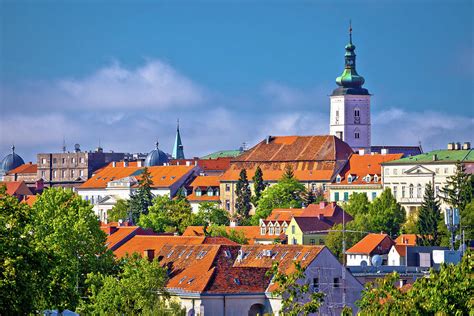
Tourism authorities have long depended on London connectivity to market Zagreb as a gateway to Central Europe. Without the British Airways route, tourism boards and local government agencies will likely need to intensify their efforts in promotion, subsidize alternate routes, or court other carriers to restore this vital connection.
British Airways’ Network Optimization and Market Focus
This move is part of a larger strategic evolution for British Airways. As the airline continues to rebuild post-pandemic, it is actively consolidating its network to prioritize high-yield, year-round destinations and phase out routes with inconsistent demand or heightened operational costs. The Zagreb route, though important, does not currently meet profitability thresholds for winter scheduling.
Recent BA strategy has focused on:
- Expanding long-haul operations to North America and Asia
- Strengthening transatlantic joint ventures
- Increasing capacity on high-demand European business routes
- Rebalancing seasonal exposure to mitigate winter losses
This strategic pruning aligns with similar moves across the airline industry, where carriers must now streamline operations while navigating fuel costs, sustainability requirements, and emerging global travel patterns.
Potential for Future Route Reinstatement
Despite the suspension, British Airways has not ruled out a future return to Zagreb. The airline will likely monitor:
- Passenger demand recovery trends
- Economic indicators in Croatia and the UK
- Competitive pressures and new entrants in the market
Should Zagreb’s winter tourism sector strengthen or new partnerships emerge—such as government route incentives or airport fee reductions—the reintroduction of direct flights could be reconsidered. Seasonal routes are increasingly subject to year-by-year feasibility studies, rather than long-term commitments.
For now, however, British Airways’ withdrawal leaves an unmistakable void, and much hinges on how Croatian aviation and tourism stakeholders respond to the disruption.
Reactions from Local Authorities and Tourism Stakeholders
Croatian tourism boards, Zagreb Airport authorities, and local hospitality organizations have begun crafting their responses to maintain the city’s competitiveness in the European travel market. Stakeholder actions may include:
- Increased collaboration with alternative carriers
- Enhanced destination marketing in the UK
- Development of new incentive programs to attract airlines
- Promotion of Zagreb’s winter festivals, gastronomy, and culture

Tourism leaders are also expected to push for governmental support and funding, ensuring that Zagreb remains well-connected and visible in international travel circles. Proactive investment in airport infrastructure, marketing, and airline partnerships could help fill the gap left by British Airways’ retreat.
A Wake-Up Call for Strategic Adaptability
The suspension should serve as a strategic wake-up call for the Croatian aviation sector. Zagreb, while enjoying post-pandemic growth and a reputation as an emerging urban getaway, must adapt to the increasingly fluid realities of global air travel. Reliance on a handful of legacy carriers for key connectivity comes with vulnerability, especially in off-peak seasons.
The opportunity now lies in demonstrating agility, forming resilient partnerships, and crafting a diversified air connectivity portfolio that can weather seasonal variances. Zagreb’s geographic location and cultural assets position it well to attract alternative operators—if the groundwork is laid effectively.
Conclusion: A Temporary Setback or Long-Term Shift?
British Airways’ decision to suspend its Zagreb service for winter 2025 reflects the harsh pragmatism that defines today’s airline route economics. While disruptive, it is not necessarily permanent. The route’s reinstatement depends on how both British Airways and Croatian stakeholders respond to the evolving marketplace.
In the short term, Zagreb will rely more heavily on regional European carriers and low-cost competitors to preserve its link to London and broader international markets. Over the long term, the city’s success in retaining tourism momentum and developing year-round travel appeal will be crucial to restoring lost connectivity.
Until then, British Airways’ absence will be felt not just by travelers, but by Croatia’s broader tourism economy, which must now rally to turn this challenge into an opportunity.