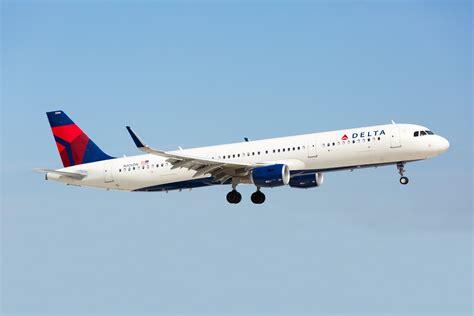
Delta Air Lines is reinforcing its reputation as a dynamic and adaptable global carrier with major adjustments to its winter 2025-26 schedule, introducing a slate of new seasonal services aimed at connecting key U.S. and Mexican leisure destinations. These changes, unveiled as part of Delta’s broader network strategy, position the airline to meet soaring winter travel demand while streamlining operations in response to shifting market trends.
Delta’s latest moves include canceling two planned routes from New York’s John F. Kennedy International Airport (JFK) while launching four high-demand seasonal services, reinforcing the carrier’s presence in both domestic and international markets.

Delta Trims JFK Routes Amid Market Reassessment
In a notable but calculated reversal, Delta has opted to cancel its previously announced winter services from JFK to Memphis (MEM) and St. Louis (STL). Initially introduced in May 2025 as part of Delta’s expansion ambitions, these routes fell victim to weaker-than-expected demand projections. Industry analysts suggest that Delta’s early pivot reflects its commitment to optimizing capacity and resource allocation.
Instead of spreading its network thin, Delta is channeling resources into routes with proven potential, underscoring its responsive approach to airline route management.
Sarasota Gains Winter Connection from JFK
Replacing the canceled Memphis and St. Louis flights, Delta introduces a new seasonal service from JFK to Sarasota Bradenton International Airport (SRQ). Operated by Republic Airways, Delta’s regional partner, this route was originally limited to the holiday travel period but has now been extended through May 2026.
Sarasota, located along Florida’s sun-drenched Gulf Coast, remains a coveted destination for winter-weary travelers seeking beaches, cultural attractions, and seasonal warmth. By maintaining this connection well beyond the holidays, Delta taps into sustained leisure demand throughout the cooler months.
Four New Seasonal Routes Target Winter Travel Surge
Beyond the Sarasota expansion, Delta’s network refresh introduces four new seasonal routes, each meticulously chosen to cater to high-demand winter markets across the U.S. and Mexico:
Atlanta (ATL) to Fargo (FAR)
A daily, year-round service connecting Delta’s powerhouse hub in Atlanta to Fargo, North Dakota. This route enhances Delta’s connectivity to the northern Plains, complementing existing services from Minneapolis-St. Paul (MSP).
Fargo’s emergence as a growing regional hub aligns with Delta’s strategic investment in ensuring seamless access to underserved U.S. regions.
Austin (AUS) to Los Cabos (SJD)
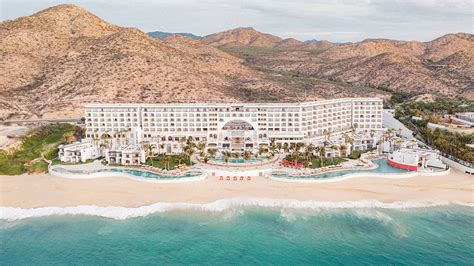
Marking one of the airline’s most ambitious seasonal expansions, Delta launches daily flights from Austin to Los Cabos, Mexico, running through April 2026. Los Cabos, renowned for its beaches, luxury resorts, and vibrant cultural scene, has solidified its status as a premier getaway for American travelers.
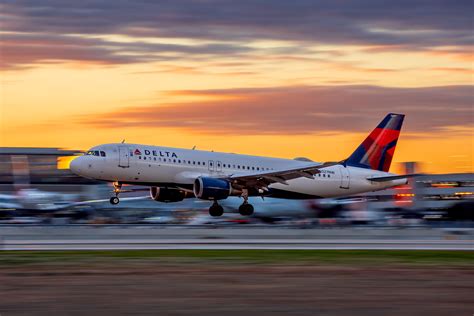
This route underscores Austin’s transformation into a key Delta focus city, despite its non-hub status. By connecting central Texas to international leisure markets, Delta bolsters its competitive edge and enhances Austin’s role as a gateway to global destinations.
Minneapolis (MSP) to Vail/Eagle County (EGE)
For winter sports enthusiasts, Delta introduces daily flights from Minneapolis to Vail, Colorado, one of North America’s most prestigious ski destinations. This service operates daily through January 2026, transitioning to Saturday-only flights from January to March.
Vail’s alpine slopes and luxury resorts attract thousands of visitors each winter, and Delta’s enhanced connectivity positions the airline to capitalize on the lucrative ski tourism market.
New York (JFK) to Sarasota (SRQ)
As mentioned, Delta’s JFK to Sarasota route replaces the canceled Memphis and St. Louis flights, offering an extended seasonal connection to Florida’s Gulf Coast.
Austin’s Ascendancy: Delta’s Lone Star Ambitions
A central pillar of Delta’s evolving strategy is its escalating investment in Austin-Bergstrom International Airport (AUS). Though not an official hub, Austin has become a focal point for Delta’s domestic and international growth.
Paul Baldoni, Delta’s Vice President of Network Planning, recently revealed that the carrier aims to increase departures from Austin to 120 daily flights, a significant leap that reflects booming demand in the Texas capital. This expansion enhances both point-to-point travel options for Austinites and critical connecting opportunities for travelers transiting through Austin.
The new Austin to Los Cabos route serves as a tangible example of Delta’s aspirations to transform AUS into a strategic connecting point, linking smaller U.S. markets with high-demand international leisure destinations.
Meeting the Winter Leisure Travel Boom
Delta’s winter network overhaul comes as airlines globally grapple with evolving travel patterns. The post-pandemic rebound has fueled surging interest in seasonal leisure travel, particularly to sun-soaked beaches and snow-covered ski resorts.
The four new seasonal routes, notably Sarasota, Vail, Los Cabos, and Fargo, align perfectly with these consumer trends, providing travelers with direct access to coveted winter escapes.
For beachgoers, Los Cabos and Sarasota offer warm-weather retreats free from long layovers. Skiers and snowboarders, meanwhile, benefit from direct flights to Colorado’s Rocky Mountains via Delta’s MSP to Vail service.
Delta’s ability to swiftly pivot its route offerings, as evidenced by the rapid substitution of underperforming JFK routes with high-demand leisure destinations, reflects the airline’s flexible and market-responsive strategy.
Ski Tourism: A Lucrative Winter Frontier
The inclusion of Vail in Delta’s winter route map underscores the growing importance of ski tourism in North America’s travel ecosystem. With slopes attracting millions annually, airlines vie for a share of this affluent market segment.
Minneapolis, serving as Delta’s Midwest stronghold, provides a natural gateway for travelers seeking efficient connections to Colorado’s mountainous playgrounds. Delta’s timed scheduling ensures convenient links between major Midwest cities and Vail’s world-class resorts.
This route amplifies Delta’s competitive advantage among winter sports travelers, positioning the airline as a preferred choice for ski enthusiasts across the central United States.
International Access from Non-Hub Cities
Perhaps most indicative of Delta’s evolving strategy is the focus on international expansion from non-hub markets, particularly Austin. The AUS to Los Cabos route highlights how airlines are increasingly leveraging emerging U.S. cities to unlock global connectivity.
As more travelers seek direct access to international destinations without transiting through congested megahubs, Delta’s approach reflects a broader industry trend. By building Austin’s international profile, Delta taps into an underserved market segment while easing pressure on traditional gateway airports.
Flexibility at the Heart of Delta’s Network Evolution
Delta’s willingness to cancel underperforming routes before their inaugural flights demonstrates the airline’s agile management philosophy. While route cancellations can provoke short-term disappointment, they ultimately ensure Delta maximizes fleet utilization and operational efficiency.
Conversely, the addition of four strategically selected seasonal routes signals the airline’s proactive efforts to capitalize on winter demand spikes, reinforcing its reputation as an adaptable market leader.
Conclusion: Delta’s Balanced Growth for Winter 2025-26
Delta Air Lines’ winter 2025-26 schedule changes reflect a nuanced, data-driven approach to route planning, balancing strategic reductions with targeted expansions. Travelers benefit from increased access to Mexico’s premier beach destinations, Colorado’s ski slopes, Florida’s Gulf Coast, and emerging U.S. regional hubs.
The airline’s commitment to Austin’s transformation into an international gateway, coupled with its focus on leisure-driven routes, positions Delta to thrive amid the evolving demands of winter travelers.
For passengers across New York, Minneapolis, Austin, and Atlanta, Delta’s latest network developments promise more choices, greater convenience, and seamless access to sought-after winter getaways, reinforcing the carrier’s role as a pivotal player in shaping seasonal air travel.