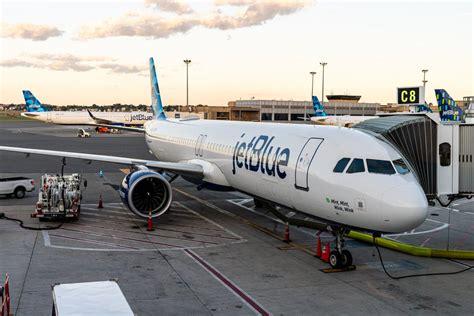
JetBlue Airways has initiated a major network realignment, signaling a bold departure from its prior growth strategy as it exits Miami International Airport entirely and reduces service to Seattle–Tacoma International Airport. This strategic overhaul—motivated by mounting financial pressure, evolving travel patterns, and intense market competition—marks a clear pivot toward high-margin leisure destinations, seasonal schedules, and cost-efficient operations.
JetBlue’s latest network optimization reflects broader turbulence in the U.S. airline industry, where recovery from the pandemic era has proven uneven. While leisure travel remains robust, business travel demand continues to lag, compelling carriers like JetBlue to reassess where and how they fly.
JetBlue Pulls Out of Miami: A Calculated Exit from a Costly Market
JetBlue’s complete withdrawal from Miami International Airport (MIA) is arguably the most significant element of this restructuring. The decision, described internally as an efficiency-driven maneuver, reflects unsustainable operating costs and limited yield potential at the South Florida hub. Miami’s status as a fortress hub for American Airlines, coupled with rising airport fees and fierce competition, left little room for profitable growth.
JetBlue first entered MIA with great fanfare in 2021, adding nearly two dozen routes in a bid to tap into the lucrative South Florida market. However, three years later, the airline has conceded that Miami’s high overhead and intense market saturation have eroded its profit margins.
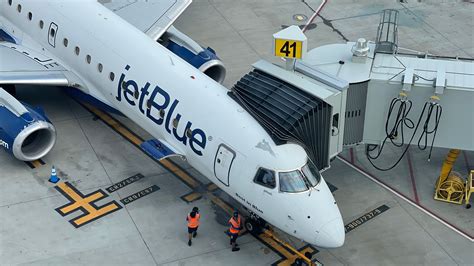
Instead, JetBlue will double down on Fort Lauderdale-Hollywood International Airport (FLL)—a more cost-effective, leisure-friendly alternative just 30 miles north of MIA. Fort Lauderdale has long been a strategic base for JetBlue, offering easier access to Caribbean and Latin American destinations, and more favorable operating conditions. With this consolidation, the airline aims to centralize its South Florida operations, reduce internal complexity, and capture more of the lucrative vacation traffic passing through FLL.
JetBlue’s retrenchment from MIA is not just about route economics; it’s also a statement on competitive realism. Acknowledging that direct confrontation with American Airlines in Miami was strategically untenable, the airline has decided to reallocate its resources where it can lead—not chase.
Seattle Becomes Seasonal: JetBlue Abandons Year-Round Routes
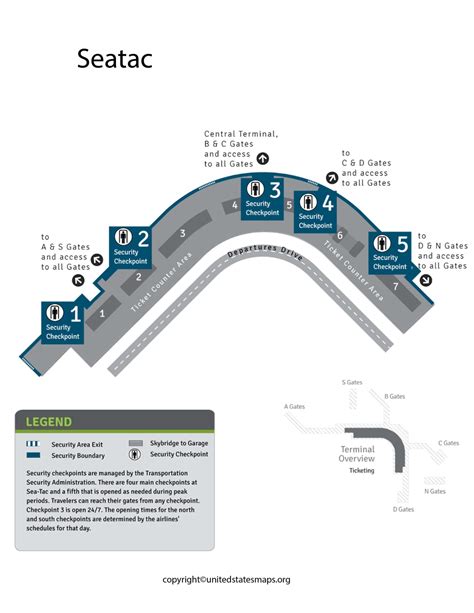
The other cornerstone of JetBlue’s operational revamp is its dramatic reduction in service at Seattle–Tacoma International Airport (SEA). Once a budding gateway for transcontinental flights—particularly between Seattle and New York–JFK—the airport will now see JetBlue service only during peak travel seasons.
This move ends JetBlue’s multi-year attempt to establish itself as a challenger on the Seattle–East Coast corridor, where it competed against entrenched players like Alaska Airlines and Delta Air Lines. Despite offering its signature Mint premium service and free onboard Wi-Fi, JetBlue struggled to maintain competitive load factors and sustainable yields, especially outside of high-travel periods.

Transitioning to seasonal operations enables JetBlue to preserve brand visibility in Seattle during high-demand months—particularly summer and holidays—while avoiding the drag of flying half-empty planes during off-peak seasons. This reflects a growing industry trend where carriers are prioritizing demand-flexible networks, ensuring aircraft are only deployed where and when they can turn a profit.
Fleet Groundings and Flight Reductions to Lower Operating Costs
Alongside its route changes, JetBlue is also scaling back its fleet and frequency of operations in a targeted effort to improve cash flow and align capacity with demand. As part of the plan, four Airbus A320 aircraft will be removed from active duty and placed in long-term storage—a move that signals JetBlue’s intent to shrink to profitability, rather than pursue growth for growth’s sake.
This leaner fleet model allows the airline to shed underutilized capacity, especially on underperforming routes and during midweek lulls. JetBlue also plans to cut frequencies on low-demand travel days, particularly Tuesdays and Wednesdays, when passenger volume is typically softer and business travel remains below pre-COVID levels.
The carrier has cited the rise of hybrid work models as a factor in this decision. With fewer travelers flying midweek, JetBlue’s recalibrated schedule ensures its aircraft are flying when most needed, thereby reducing wasted seat inventory and improving load factors.
Pivot Toward Leisure-Heavy Markets: A Strategic Reorientation
JetBlue’s sweeping network revision reflects a deeper philosophical shift in its approach to route planning. Historically known for serving underserved business travelers and urban routes, JetBlue is now realigning itself to focus on leisure-centric markets that offer stronger, more predictable returns.
This strategic reorientation taps into post-pandemic travel realities: while corporate travel has plateaued, vacation travel continues to surge, driven by pent-up demand and the return of international tourism. By directing more aircraft to destinations like the Caribbean, Central America, and popular U.S. sunbelt cities, JetBlue is positioning itself to capitalize on high-yield leisure demand.
This pivot also puts JetBlue in more direct competition with low-cost carriers such as Spirit, Frontier, and Allegiant, which have long dominated the budget-friendly vacation space. However, JetBlue’s value proposition—more legroom, complimentary amenities, and no change fees—offers a premium low-cost alternative that could resonate with price-conscious travelers seeking comfort.
Corporate Restructuring: Slimming Down for Long-Term Survival
JetBlue’s transformation extends beyond its aircraft and airport presence. In parallel with its network cuts, the airline is undergoing a structural internal reorganization, aimed at reducing overhead and improving agility.
This includes downsizing executive positions, trimming back non-essential departments, and streamlining operational workflows. The end goal is a leaner, more responsive airline, capable of adapting to market shifts without the burdensome bureaucracy that can hinder larger legacy carriers.
These changes come at a time when airlines across the globe are rethinking organizational efficiency. JetBlue’s proactive stance sends a clear message to investors and stakeholders: profitability—not expansion—is the new north star.
Market Impact: Fewer Low-Cost Options, Higher Prices for Consumers
JetBlue’s withdrawal from Miami and scaling back in Seattle are poised to have notable downstream effects on both markets—particularly in terms of consumer choice and fare dynamics.
In Miami, JetBlue’s departure leaves a vacuum in the low-cost fare segment, effectively reducing competition for domestic travelers. As American Airlines tightens its grip on the market, travelers may find fewer price-competitive options, particularly on high-frequency East Coast routes.
Similarly, JetBlue’s reduction in Seattle weakens fare pressure on legacy routes to New York and Boston, where Alaska and Delta now face less pricing competition. This could lead to higher ticket prices, particularly during periods of strong demand, as fewer seats become available at budget fares.
This consolidation dynamic is part of a broader trend within the U.S. airline industry. As smaller carriers retreat and consolidate, mega-hubs are increasingly dominated by a few dominant players, making it harder for consumers to access affordable travel without sacrificing comfort or flexibility.
Preparing for Strategic Partnerships and Future Alliances
Amid its restructuring, JetBlue may be positioning itself for future partnerships or joint ventures. Although no formal announcements have been made, industry analysts have speculated that JetBlue could seek closer cooperation with other U.S. carriers, particularly at shared hubs like New York–JFK.
Such a move could allow JetBlue to leverage existing infrastructure, reduce duplicative operations, and improve connectivity—all while enhancing customer experience through shared loyalty benefits and interline agreements.
This strategy would mirror industry precedents, such as the now-defunct Northeast Alliance with American Airlines, which—despite regulatory pushback—demonstrated the synergies possible through selective collaboration.
A Measured Bet on Sustainable Profitability
JetBlue’s shift is more than just a retrenchment; it’s a measured bet on sustainable profitability in a volatile industry. The airline is shedding what doesn’t work, focusing on what does, and building a foundation for long-term financial health rather than chasing rapid growth.
By exiting markets that offer diminishing returns and investing in routes where demand is strongest, JetBlue is crafting a network that better reflects today’s travel behavior. With the right balance of seasonal flexibility, leisure focus, and operational discipline, JetBlue could emerge from this period of recalibration more competitive—and more profitable—than before.
However, the true test will be whether the airline can maintain customer loyalty while scaling back in once-prominent markets, and whether its remaining network can generate the yields needed to justify the cutbacks. In an industry that rewards efficiency as much as ambition, JetBlue’s survival may depend on how well it executes this transformation.