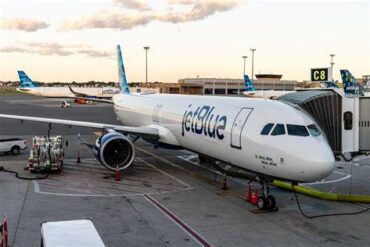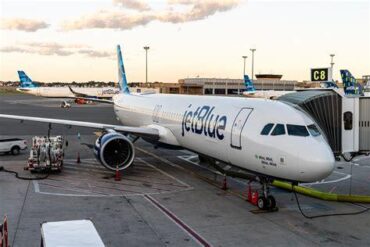
In a decisive and far-reaching move, JetBlue Airways is executing a bold strategic retreat from key U.S. markets, pulling out of Miami International Airport (MIA) and significantly scaling back operations at Seattle–Tacoma International Airport (SEA). The dramatic restructuring includes grounding multiple Airbus A320s, slashing midweek flights, and focusing its route network around a tighter, New York-centric leisure travel model—a major pivot for the struggling carrier as it attempts to curb years of financial losses and reset its long-term trajectory.
JetBlue’s Urgent Reset Amid Years of Financial Struggles
Since 2019, JetBlue has failed to post an annual profit, grappling with rising operating costs, reduced corporate demand, and competitive pressures in key markets. The airline’s aggressive pre-pandemic expansion—once heralded as visionary—now appears unsustainable. Under the leadership of CEO Joanna Geraghty, JetBlue is pivoting sharply toward leisure-focused operations, making painful but necessary cuts to survive.
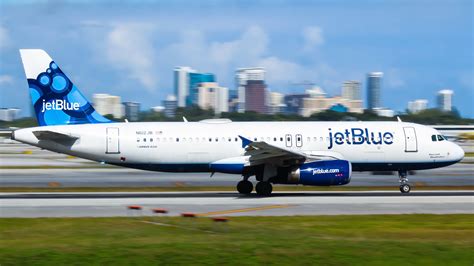
At the heart of this transformation lies the grounding of four Airbus A320s, which are being transferred to long-term storage in desert facilities. This move not only reduces operational costs but also aligns the fleet more closely with revised demand projections. The A320 has long been JetBlue’s workhorse, but shrinking demand on certain routes—particularly midweek business travel corridors—has rendered portions of the fleet economically nonviable.
The Strategic Exit from Miami: Cutting Costs, Not Connections
JetBlue’s decision to abandon Miami International Airport, effective September 2, marks one of the most high-profile route eliminations in the company’s history. Though Miami had been positioned as a major hub, the routes from MIA were marginal in performance, often failing to attract consistent high-volume traffic.

Instead of maintaining its presence at Miami, the airline will now focus its South Florida strategy on Fort Lauderdale-Hollywood International Airport (FLL) and Palm Beach International Airport (PBI). These airports offer lower operating costs and serve a similar customer base. Importantly, JetBlue’s new partnership with Brightline, the high-speed rail line connecting Miami to Fort Lauderdale and West Palm Beach, provides a seamless intermodal alternative that helps preserve access without sustaining high airport overhead.
This reshuffling underscores JetBlue’s preference for cost-effective connectivity over direct competition in premium-cost hubs. The decision is as much about network efficiency as it is about passenger volume, as JetBlue redefines its South Florida operations through strategic withdrawal rather than total abandonment.
Seattle Sees Cuts Too: Seasonal Flights and Competitive Concessions
While not a full exit, JetBlue’s retrenchment in Seattle is no less significant. The airline is reducing SEA from a year-round hub to a seasonal operation, a move that will severely restrict service on one of its highest-profile transcontinental routes: Seattle to JFK.
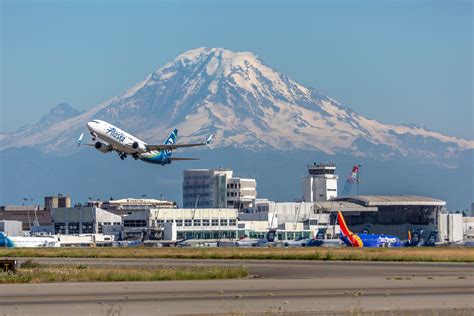
The Seattle drawdown creates opportunity for Alaska Airlines and Delta Air Lines, both of which maintain strong presences in the Pacific Northwest. With JetBlue vacating precious gate space and flight slots, competitors may increase capacity or raise fares, especially on coast-to-coast routes. The loss of the JetBlue option not only reduces competition but also diminishes schedule flexibility for travelers, particularly in off-peak months.
Fleet and Leadership Cuts: Austerity at the Top
JetBlue’s reset goes beyond geography. The airline is also streamlining its management ranks, trimming executive headcount to lower overhead and increase decision-making agility. The new business model demands leaner leadership and a tighter grip on expenditures.
In tandem, midweek flights—especially on Tuesdays and Wednesdays—will be reduced, reflecting the airline’s pivot away from business-heavy routes. These changes mark a radical shift in operations, cutting deeply into the traditional Monday-to-Friday cycle that once defined JetBlue’s East Coast network.
The company’s recent split with American Airlines further isolates JetBlue from legacy revenue-sharing agreements. Without this buffer, the importance of cutting costs and maximizing leisure-driven revenues becomes paramount.
A Full Embrace of Leisure Travel: JetBlue’s New Business Model
The core of JetBlue’s network overhaul is a total embrace of leisure travel. Weekend-heavy schedules, vacation hotspots, and coastal getaways are now the airline’s bread and butter. As work-from-home flexibility redefines business travel norms, JetBlue is betting big on sunseekers, families, and budget vacationers.
This repositioning affects everything—from aircraft rotations and airport slots to in-flight service and advertising strategies. The company is shifting its identity from a hybrid business-leisure carrier to a vacation-focused airline with a stronger lifestyle brand appeal.
Critically, JetBlue’s operational data showed a consistent drop in corporate bookings. By targeting high-demand, leisure-dominated travel windows, the airline expects improved aircraft utilization and a better revenue-per-available-seat-mile (RASM) ratio—an essential metric for profitability.
The Competitive Fallout: Market Shifts and Pricing Implications
JetBlue’s retreat opens doors for other carriers. In Miami, American Airlines may reclaim market share with little resistance. In Seattle, Alaska Airlines is poised to dominate on overlapping transcontinental routes. These realignments will likely lead to higher fares due to reduced competition and tighter seat availability.

For consumers, the immediate impact will be fewer flight choices and potential price hikes, especially on routes where JetBlue previously disrupted monopolistic fare structures. While the airline’s operational lean-down may improve its bottom line, it could also undermine its brand promise of accessible, low-cost travel—at least temporarily.
Looking Forward: A Calculated Gamble with High Stakes
JetBlue’s reset is not a simple cost-cutting exercise—it’s a make-or-break moment. The airline is betting that a smaller, focused operation built around leisure travel can return it to profitability. However, the risk is considerable. If demand doesn’t hold or competitors undercut JetBlue’s new model, the airline may find itself outmaneuvered.
Yet the restructuring shows discipline. Rather than chasing market share, JetBlue is pruning its operations to core strengths, protecting its New York base while trimming away underperforming peripheries. If executed correctly, this strategy could stabilize operations and allow for a more sustainable growth trajectory in the years ahead.
Final Approach: An Airline Reshaped for Survival
JetBlue’s latest moves are among the most aggressive restructuring efforts by a U.S. airline since the pandemic recovery began. The closure of Miami routes, reduction in Seattle service, storage of A320s, and internal downsizing are all painful but perhaps essential steps to avoid a prolonged fiscal spiral.
Whether this bold overhaul succeeds will depend on the market’s appetite for affordable leisure travel, JetBlue’s ability to execute on lean operations, and its skill in navigating competition without overextending. The sky ahead is turbulent, but by flying lighter and smarter, JetBlue is hoping to emerge stronger on the other side.