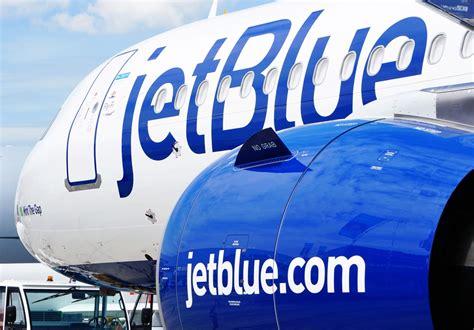
JetBlue is at a crossroads that feels uncomfortably familiar in the airline industry: improving the product while bleeding cash fast enough to force hard decisions. The carrier’s latest financial results reveal a company making operational progress but struggling to translate those gains into sustainable profitability. As losses persist and cost pressures refuse to ease, the question is no longer theoretical. The debate now centers on whether JetBlue will be compelled to cancel routes to stop the financial slide.
The airline’s fourth-quarter performance captured this tension perfectly. Revenue reached $2.2 billion, a modest decline year-on-year, while unit revenue exceeded expectations thanks to loyalty program growth and ancillary fees. Operational reliability improved, customer satisfaction rankings climbed, and on-time performance strengthened. These are not cosmetic wins; they matter deeply in an industry where brand trust influences repeat bookings. Yet costs, particularly non-fuel expenses, rose faster than revenue, widening losses and unsettling investors.
JetBlue closed the quarter with roughly $2.5 billion in liquidity, a respectable cushion that buys time but not complacency. Management guidance points toward modest growth and a break-even operating result in 2026, but the path there is narrow. Aircraft groundings tied to the Pratt & Whitney GTF engine inspections continue to constrain capacity, limiting flexibility just as the airline needs it most.
A Turnaround Showing Progress, Not Profits
JetBlue’s JetForward turnaround plan is not an empty slogan. In 2025 alone, the strategy added approximately $305 million in incremental operating profit, largely by reshaping the business mix. Loyalty revenue expansion, seat selection fees, and other add-ons pushed per-seat earnings higher even as the airline flew slightly fewer miles. These changes reflect a deliberate shift away from pure fare competition toward a more diversified revenue model.
Still, the fourth-quarter adjusted loss of about $0.49 per share underscored a harsh reality. Cost inflation, especially in labor and maintenance, continues to erode gains. Investors responded swiftly, sending JetBlue shares down sharply following the earnings release. The market’s verdict was blunt: operational improvements are welcome, but they are not yet enough.
Why Route Cuts Are the Fastest Lever Available
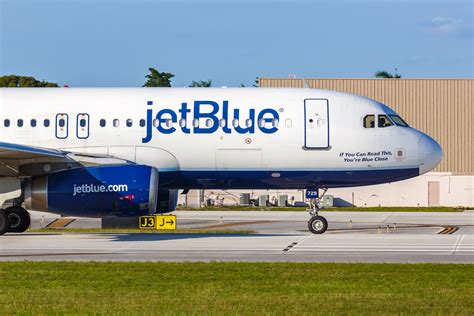
When airline economics weaken, network discipline becomes the quickest tool for damage control. For JetBlue, that likely means trimming routes where demand is inconsistent or pricing power is weak. Operating fewer flights on marginal city pairs can immediately improve cash flow by reducing fuel burn, crew costs, and downstream expenses tied to delays and passenger reaccommodation.
JetBlue’s management has signaled a willingness to adjust capacity intelligently rather than chase growth for its own sake. Early steps could include reducing off-peak frequencies, eliminating routes dependent on heavy discounting, and redeploying aircraft to markets with stronger yields. This is less about retreat and more about precision, concentrating resources where they generate the highest return.
A leaner schedule also improves reliability. Fewer flights mean fewer opportunities for cascading delays, a critical factor at congested Northeast airports where JetBlue has a major presence. Improved reliability, in turn, supports higher fares and strengthens the airline’s premium positioning.
Strongholds That Still Make Economic Sense
Not all parts of JetBlue’s network are under equal pressure. The airline continues to perform well in Northeast business markets, Florida leisure routes, and select high-yield corridors where premium cabins sell consistently. These routes benefit from brand loyalty, dense demand, and a customer base willing to pay for extra legroom and onboard amenities.
By contrast, thin routes with intense low-fare competition offer little margin for error. Even full aircraft can lose money if average fares are too low. Pulling back from these markets would allow JetBlue to protect margins without sacrificing its core identity.

Engine Issues Add Urgency to Capacity Decisions
The ongoing Pratt & Whitney GTF engine inspections complicate every strategic choice. With several Airbus A320neo-family aircraft grounded, JetBlue faces involuntary capacity reductions. Rather than spreading remaining aircraft thinly across the network, management can frame targeted route cuts as a proactive measure to stabilize operations.
This approach aligns operational necessity with financial discipline. Temporary reductions can boost load factors, reduce overtime and hotel costs for crews, and simplify scheduling. In an industry where complexity often equals cost, simplicity becomes a competitive advantage.
Mergers, Partnerships, and Regulatory Reality
Speculation around mergers inevitably resurfaces when airlines struggle. JetBlue’s failed attempt to acquire Spirit Airlines remains a fresh reminder of regulatory resistance, particularly when consolidation threatens low-fare competition. Any future merger, especially with a carrier strong in New York or Boston, would face even steeper scrutiny.
For now, JetBlue appears focused on partnerships rather than acquisitions. Cooperative agreements, such as its Blue Sky collaboration with United Airlines, extend network reach without triggering antitrust alarms. These arrangements offer incremental revenue opportunities while preserving independence.
The Strategic Choice Ahead
JetBlue’s situation is not one of imminent crisis, but it is undeniably fragile. Liquidity provides breathing room, and the JetForward plan is delivering measurable improvements. Yet the airline cannot cost-cut its way to prosperity without addressing network economics head-on.
Route cancellations, if they come, will likely be targeted and deliberate rather than sweeping. The objective is not contraction for its own sake, but profitability per flight, a metric that ultimately determines survival. Over the next year, JetBlue’s willingness to make disciplined network decisions may define whether its turnaround becomes a success story or another cautionary tale in commercial aviation.
The airline industry rarely rewards hesitation. For JetBlue, the coming months will test whether strategic focus can outpace mounting losses—and whether fewer routes might lead to a stronger, more resilient network.