
JetBlue Airways has undertaken a significant restructuring of its route network, making decisive adjustments aimed at optimizing operational performance and financial sustainability. In a bold and necessary move, the airline has announced the discontinuation of six underperforming routes, while simultaneously unveiling plans to introduce new services designed to meet evolving consumer travel preferences. This strategic pivot not only reflects JetBlue’s adaptive approach to market realities but also signals a renewed focus on long-term growth, premium offerings, and route profitability.
The announcement, made public on June 22, 2025, comes on the heels of internal performance reviews and demand analyses, with data from aviation intelligence firm Cirium Diio serving as a critical input. These adjustments are emblematic of the growing pressures airlines face in a post-pandemic world, where route viability is heavily influenced by fluctuating demand, rising costs, and changing customer expectations.

JetBlue Suspends Six Routes as Part of Network Refinement
At the heart of JetBlue’s transformation is the termination of six routes that failed to meet the airline’s financial benchmarks. Chief among these is the Boston–Miami route, with its final flight scheduled for September 2, 2025. Despite its high-profile origin and destination points, the service struggled to generate consistent profitability, leading JetBlue to deem the route unsustainable.
JetBlue issued a memo to employees highlighting that while such decisions are challenging, they are grounded in data-driven evaluations. The memo also clarified that some of the routes cut had been operating on minimal schedules—ranging from one to three flights per week—or were entirely seasonal.
Other routes being discontinued include:
- San Juan (Puerto Rico) – Cancun (Mexico): Operated seasonally, this route will end in August. Despite slight upticks in winter demand, the overall load factors and yields failed to justify continued service.
- JFK – Manchester, New Hampshire: Initially expected to perform well, this route will end one month earlier than scheduled, ceasing in September. JetBlue has made no indication of plans to resume the service.
- Boston – Seattle: Transitioning from a daily year-round flight to a seasonal service, this route will be paused in October and return in April 2026. JetBlue cited seasonal demand trends as the primary rationale for this shift.
- Boston – Grenada: Once scheduled for a November restart, this route has now been permanently removed from JetBlue’s winter timetable.
- Buffalo – West Palm Beach: Previously listed for a fall relaunch, this service will not resume, reflecting continued route trimming based on profitability forecasts.
Realigning Strategy Amid Volatile Demand and Rising Costs
These route suspensions are not isolated measures, but rather part of a broader realignment strategy tailored to enhance JetBlue’s competitiveness in a rapidly evolving market. By narrowing its operational focus, the airline aims to conserve resources, reduce unnecessary capacity, and redirect efforts toward more lucrative opportunities.
JetBlue’s leadership emphasized that each terminated route had been carefully assessed through a lens of financial viability, customer demand, and long-term growth alignment. Routes that once made sense during peak pandemic recovery phases—often added to seize short-term travel booms—are now being reevaluated against more stable long-term criteria.
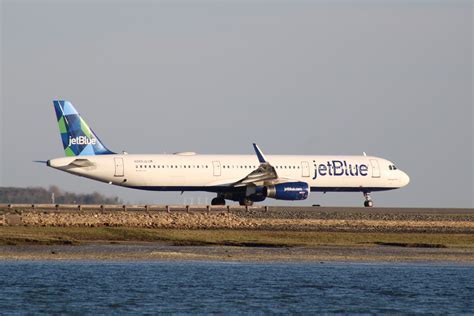
The seasonal transition of the Boston–Seattle route exemplifies this nuanced recalibration. Rather than abandoning transcontinental connectivity entirely, JetBlue is modulating frequency to match market realities—reducing losses in low-demand periods while maintaining presence during peak seasons.
Similarly, the cessation of the JFK–Manchester service underlines the importance of adaptable network planning. While Manchester offers convenient access to New Hampshire and northern New England, the route struggled to generate the required passenger volume. Its premature suspension sends a clear message: JetBlue is no longer betting on marginal routes.
Focus on Premium Experience: Expansion of Mint Service
Despite the flight cutbacks, JetBlue remains forward-looking. In the same internal communication, the airline teased plans to expand its signature Mint premium service, a move that underscores JetBlue’s belief in high-margin, experience-driven travel. Mint—featuring lie-flat seats, enhanced dining, and luxury touches—has become a critical component in JetBlue’s strategy to capture the premium leisure and business market.
Although full details remain under wraps, the expansion is expected to coincide with the announcement of new routes that support strong demand and align with Mint’s premium positioning. JetBlue’s targeting of affluent corridors, such as transcontinental and international markets, hints at the carrier’s long-term ambitions to compete aggressively in the premium tier.

As the demand for elevated air travel experiences grows, particularly among remote professionals and high-income leisure travelers, JetBlue’s pivot toward premium products offers a pathway to increased revenue per seat and greater customer retention. It also sets the airline apart from competitors that continue to focus on volume-driven, low-cost models.
Market Responsiveness and Operational Agility
JetBlue’s recent network overhaul reflects not just financial discipline, but also a broader trend of operational agility within the aviation sector. Airlines today must be nimble, ready to reconfigure routes and shift capacity at short notice based on data insights. JetBlue’s response to lagging performance across these six routes is a textbook example of proactive network management.
Additionally, the adjustments speak to JetBlue’s willingness to make difficult but necessary decisions in service of its larger strategic vision. Cutting unprofitable flights preserves resources for reinvestment in markets with greater upside, while minimizing exposure to future financial drag.
JetBlue’s Chief Network Planner reportedly indicated that while the airline continues to monitor its domestic footprint closely, international expansion and transcontinental optimization remain key pillars of its mid-term strategy. This aligns with industry-wide shifts, where routes to Europe, Latin America, and high-income U.S. corridors are seeing increased competition and innovation.
Broader Industry Implications
The airline industry as a whole continues to grapple with post-pandemic turbulence. While demand has rebounded in some segments, other routes—particularly those reliant on discretionary spending or business travel—remain unstable. JetBlue’s recalibration is emblematic of a wider reassessment happening across global carriers, with profit protection replacing blind growth.
Rising operational costs, particularly jet fuel, airport fees, and staffing challenges, further complicate route planning. By shedding unproductive flights, JetBlue is better positioned to weather industry headwinds and pivot quickly when new opportunities arise.
Moreover, the airline’s moves reflect a sharpened understanding of regional demand patterns. Rather than sticking rigidly to traditional city-pair assumptions, JetBlue is evaluating each route based on granular performance data. This customer-centric approach is expected to inform future decisions, including new route launches and potential partnerships.
Looking Ahead: Will JetBlue’s Strategy Pay Off?
As JetBlue navigates this period of transformation, all eyes will be on how its revised network strategy unfolds over the coming quarters. While the discontinuation of certain routes may disappoint loyal passengers in those markets, the overarching message is clear: JetBlue is committed to building a sustainable and profitable network, even if that means shedding legacy routes.
The airline’s investment in premium services like Mint, combined with its stated intent to add new routes in high-potential markets, presents a dual-pronged strategy—streamline for efficiency while expanding for growth. This balancing act will be crucial as JetBlue seeks to defend its market share and emerge stronger from a period of economic volatility.
Ultimately, JetBlue’s actions reveal a company willing to evolve, to make hard choices today for the sake of long-term stability. With route optimization underway and premium service expansion on the horizon, JetBlue is positioning itself not just for survival—but for resilience and relevance in an increasingly competitive aviation landscape.