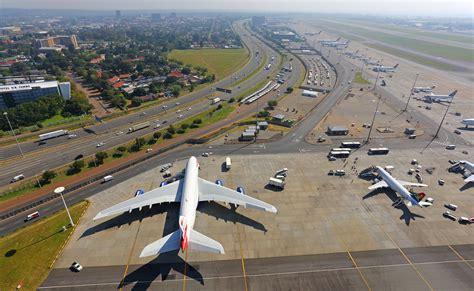
South Africa has embarked on an ambitious campaign to revolutionise its national aviation network, placing OR Tambo International Airport (ORTIA) at the centre of a sweeping overhaul that signals a new era of resilience, efficiency, and safety for global air travel. With Airports Company South Africa (ACSA) leading the charge, the comprehensive transformation spans nine major airports and encompasses upgrades to jet fuel infrastructure, energy resilience systems, terminal facilities, and airside operations. This initiative is not merely a response to post-pandemic demands but a forward-looking strategy designed to elevate South Africa’s status as a premier international aviation hub.
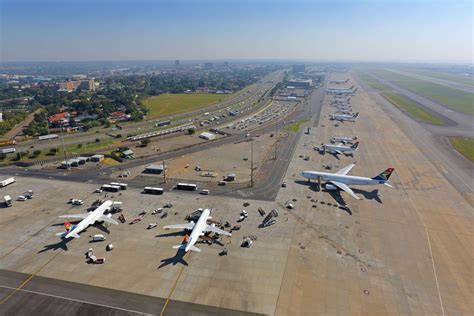
OR Tambo International Airport: The Vanguard of South African Aviation Renaissance
As South Africa’s busiest airport and a critical gateway to the continent, OR Tambo International is setting the benchmark for infrastructure revitalisation. Among the most prominent undertakings is the phased refurbishment of ablution facilities, a seemingly modest upgrade that plays a vital role in passenger experience and hygiene standards. The upgrades are structured to maintain uninterrupted operations, illustrating ACSA’s meticulous planning and execution.
In a recent stakeholder briefing, ACSA CEO Mpumi Mpofu highlighted the scope and strategic timing of these developments, noting that key projects at ORTIA will be completed between late 2025 and 2027. These efforts are carefully aligned with long-term operational goals and the broader vision of maintaining global competitiveness in aviation infrastructure.
Jet Fuel Redundancy and Energy Security: Building Future Resilience
Fuel availability is a cornerstone of uninterrupted air operations, and OR Tambo is spearheading this aspect through the installation of a 20-inch jet fuel feeder line, part of the airport’s Jet Fuel Redundancy Plan. This initiative not only enhances fuel supply reliability but also mitigates downtime risks during peak operations, thereby safeguarding airline schedules and passenger trust.
Equally significant is the replacement of aging backup generators to bolster the airport’s energy resilience. These measures ensure that core systems remain functional during grid instability, which is particularly crucial for operations such as air traffic control, security scanning, and baggage logistics.

Modernising Passenger Infrastructure: Loading Bridges, People Movers, and HVAC Systems
Passenger experience is a key differentiator for world-class airports, and ACSA is addressing this through a comprehensive upgrade of Passenger Loading Bridges (PLBs) across multiple airports. These include structural repairs, canopy renovations, and the integration of improved boarding technologies. Scheduled for completion between November 2025 and late 2026, these enhancements will significantly reduce boarding delays and improve accessibility.
Meanwhile, the overhaul of escalators and elevators, collectively referred to as people movers, is progressing steadily. The aim is to create seamless vertical transport solutions within terminals, especially in high-traffic areas. The replacement programme is expected to continue through 2027, ensuring long-term reliability and smoother passenger flows.
In tandem, ACSA is implementing a series of terminal-wide HVAC system upgrades. These include advanced climate control solutions and energy-efficient ventilation technologies that not only improve passenger comfort but also reduce the airports’ environmental footprints.
Technological Advancements in Navigation and Safety Systems
A core pillar of ACSA’s strategy lies in technological compliance and safety enhancement. As part of a national alignment with international aviation standards, the company is modernising its Instrument Landing Systems (ILS) and Automated Weather Observation Systems (AWOS). These upgrades are vital for precision navigation and real-time weather data, both of which are essential for flight safety, especially during adverse weather conditions.
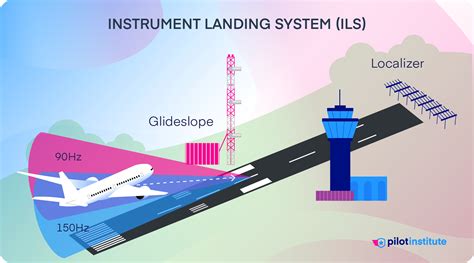
The anticipated completion of these upgrades by end-2026 will dramatically improve operational accuracy and align South African airports with the latest ICAO safety compliance metrics.
Reinforcing Fire and Fuel Safety: Critical Emergency Response Readiness
Safety is non-negotiable in aviation, and ACSA is fortifying its infrastructure through the extensive refurbishment of hydrant systems, fire booster pumps, and fuel meters. These upgrades form the backbone of both emergency response capabilities and routine fuel distribution logistics. Ensuring that these systems function flawlessly is imperative not only for incident mitigation but also for daily safety assurance across terminals and aprons.
This strategic focus on fire safety follows global aviation trends, where proactive risk management is now seen as integral to infrastructure planning. The upgrades also incorporate smart diagnostics and real-time monitoring tools to further reduce risk.
Roofing, Waterproofing, and Terminal Structural Integrity
Complementing internal facility upgrades, ACSA has initiated a widespread waterproofing and roofing reinforcement programme. These improvements focus on ensuring structural integrity against South Africa’s varied climate conditions, enhancing passenger and crew safety during heavy rains and seasonal weather shifts.
This also includes sprinkler system enhancements, especially in older terminals, which are being modernised with new piping, sensors, and high-efficiency discharge units. These measures further strengthen OR Tambo’s resilience and contribute to the broader goals of sustainability and climate adaptation.
Stakeholder Engagement: Aligning Public and Private Interests
ACSA’s success lies not only in engineering but in strategic coordination with stakeholders. From aviation authorities and government departments to airlines and retail tenants, every partner plays a role in ensuring seamless execution. Regular forums and engagement sessions help maintain alignment on timelines, standards, and operational contingencies.
This inclusive approach ensures that commercial aviation partners remain fully informed and can plan accordingly, mitigating disruptions to flights, airport retail operations, and logistics services. It also reflects ACSA’s broader governance model, which emphasises collaboration, transparency, and service delivery.
Economic Impact and Long-Term Vision
The revitalisation initiative, spanning from OR Tambo to airports across the country, is one of the most substantial investments in South African aviation in the past decade. Beyond safety and efficiency, this programme is poised to unlock substantial economic and strategic value.
By investing now, South Africa is positioning itself to:
- Attract new international airlines, bolstering route networks.
- Increase tourism throughput, supporting hospitality and service industries.
- Create skilled employment opportunities during construction and through expanded airport operations.
- Enable capacity growth, with infrastructure ready for future passenger volumes and cargo expansion.
According to industry projections, this infrastructure overhaul will place South Africa at a competitive advantage in the African aviation market, where demand is expected to soar over the next decade. OR Tambo International, with its robust logistics base, is expected to serve as a continental hub linking Asia, Europe, and the Americas through sub-Saharan Africa.

Conclusion: A Blueprint for Aviation Resilience
As global aviation continues its recovery from systemic disruptions, South Africa’s assertive investment in its airport infrastructure serves as a model of resilience and foresight. Led by OR Tambo International Airport and steered by ACSA’s bold strategic blueprint, these upgrades demonstrate a national commitment to excellence, safety, and global integration.
Whether measured by technical advancements, stakeholder collaboration, or long-term economic dividends, South Africa is not merely catching up—it is setting the pace. In doing so, it is ensuring that its airports remain not just operationally sound, but also world-class in their ability to adapt, grow, and lead in an evolving aviation landscape.