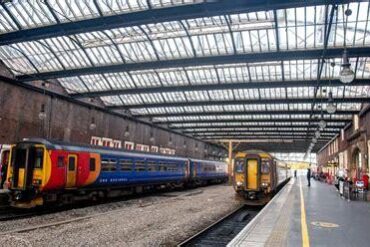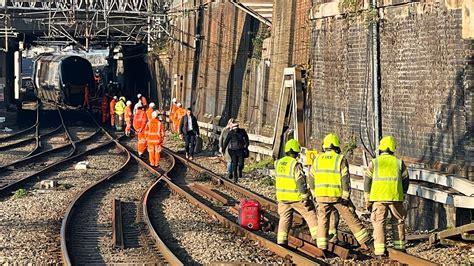
Rail travel across the United Kingdom has plunged into chaos following a significant infrastructure failure caused by a fallen tree near Beattock. This incident has inflicted severe damage to overhead electric wires, resulting in a full suspension of all train services between Lockerbie and Carstairs. The repercussions have rippled through major cross-border routes connecting England and Scotland, prompting key rail operators like Avanti West Coast and TransPennine Express to issue urgent advisories urging passengers to avoid traveling north of Carlisle. With no replacement buses available and services halted on one of the nation’s busiest rail corridors, this disruption has left thousands stranded and forced emergency rerouting through alternative operators.
Overview of the Incident
The disruption began early in the morning, with reports indicating that the overhead line failure was triggered by a tree collapsing onto the railway infrastructure. The incident has resulted in a complete blockage of the railway between Lockerbie and Carstairs, halting all services in the area. Rail operators expect the disruption to persist throughout the day, severely affecting travel plans for thousands of commuters and long-distance passengers alike. The impact on travel has been magnified by the fact that both Avanti West Coast and TransPennine Express have advised against any journeys through the affected area.
Rail Services Affected
Avanti West Coast, which operates vital intercity services connecting London with various cities in Scotland, has confirmed that no trains will be running north of Carlisle or south of Edinburgh and Glasgow Central. Passengers have been strongly advised to delay their travel or seek alternative routes wherever possible. Similarly, TransPennine Express has announced the suspension of services north of Carlisle, leaving passengers who depend on trains from Manchester and Liverpool terminating at Carlisle without further connections to Scotland’s central belt.
The halt in service comes at a particularly challenging time, as the railway system is already under pressure from increased passenger numbers. With essential routes severed, the disruption has created a vacuum in connectivity that is proving difficult to fill. The absence of replacement bus services compounds the issue, leaving many travelers without feasible options for continuing their journeys.
Lack of Alternative Transport Options
Adding to the frustration, neither Avanti West Coast nor TransPennine Express is providing replacement bus services for the impacted stretch of the line. This absence of alternative road transport options is expected to exacerbate difficulties for travelers, especially those with time-sensitive commitments. In response to the situation, TransPennine Express has implemented temporary ticket acceptance arrangements across several other train operators to provide passengers with alternative travel options. Valid tickets for TPE can be used on the following services:
- TransPennine Express routes between Manchester and York, York and Newcastle, and Newcastle and Edinburgh
- Avanti West Coast services (once the affected section reopens)
- CrossCountry
- London North Eastern Railway (LNER)
- Lumo
- Northern
- ScotRail
While this measure aims to alleviate some of the pressure on stranded passengers, significant delays and capacity challenges are anticipated throughout the day, as the number of available seats on alternative services is likely to be limited.
The Technical Breakdown
The heart of the disruption lies in the technical failures associated with the overhead line collapse. Engineers from Network Rail have been dispatched to the scene to assess the damage and initiate repairs. However, the complexity of the damage, combined with safety considerations related to high-voltage systems, means that repairs are expected to take several hours at a minimum. Rail operators have already indicated that service recovery is not anticipated until the end of the operational day, prolonging the inconvenience faced by commuters and travelers.
This situation highlights the vulnerability of a crucial section of the West Coast Main Line, which serves as a lifeline connecting major English cities with Scotland. The route is essential for both Avanti West Coast and TransPennine Express, particularly for services operating between London, Birmingham, Manchester, and key Scottish cities such as Glasgow and Edinburgh. With this vital segment of track rendered inoperable, rerouting options are severely limited, compounded by the absence of replacement bus services and the high traffic on alternative routes.
Broader Implications for North-South Connectivity
The consequences of this incident extend beyond immediate travel disruptions. The interruption of services between England and Scotland underscores the fragility of the railway network, which plays a pivotal role in regional connectivity and economic stability. As the UK continues to recover from the pandemic and rebuild its transportation infrastructure, incidents like these serve as stark reminders of the vulnerabilities inherent in the system.
The closure of such a critical transportation corridor is likely to have knock-on effects on freight services, tourism, and local economies that rely heavily on rail connectivity. The lack of reliable transport options can deter visitors and impact businesses that depend on the seamless movement of goods and people.
Advice for Travelers
Passengers planning to travel between England and Scotland today are strongly encouraged to check live updates before setting off. Rail operators’ websites and National Rail Enquiries are providing real-time information on service alterations, ticket acceptance, and estimated recovery times. For essential travel, passengers are advised to consider rerouting via unaffected corridors using the temporary ticketing arrangements in place, although availability on these services may be limited due to heightened demand.
For those without urgent travel requirements, postponing journeys or seeking refunds may be the most practical option. As the situation evolves, rail operators and Network Rail are expected to issue further updates. It remains crucial for passengers to stay alert to changes and continue to plan for delays throughout the day.
In summary, the UK train network is currently facing an unprecedented crisis, with infrastructure damage leading to widespread delays and the full suspension of key cross-border journeys. As efforts to restore services commence, the resilience of the rail system will be tested, and the impacts of this disruption will be felt across the nation.