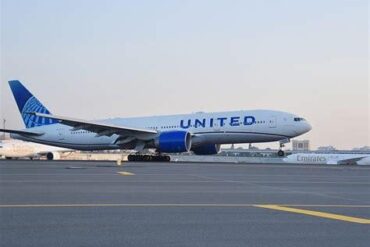
United Airlines is intensifying competition across North America with the announcement of 14 new domestic and Canada-bound routes launching over the upcoming summer season, signaling a renewed focus on strengthening its short- and medium-haul network. While the Chicago-based carrier is globally recognized for its dominant long-haul reach into Asia and the South Pacific, this latest move underscores how critical the domestic market remains to United’s broader growth strategy.
The newly revealed routes reflect a carefully calibrated balance between seasonal leisure demand and year-round business connectivity, offering insight into how United is reshaping its network to capture high-value travelers while maximizing aircraft utilization during peak travel months. The routes were first disclosed by Patrick Quayle, United’s Senior Vice President of Global Network Planning and Alliances, highlighting how strategic network updates are now increasingly communicated through digital channels.
At a time when domestic competition among U.S. legacy carriers is intensifying, United’s decision to add both niche leisure destinations and underserved business markets positions the airline to close gaps in its North American footprint, which remains smaller than those of Delta Air Lines and American Airlines.
A Strategic Push to Reinforce United’s Domestic Network
United Airlines’ North American network has historically lagged behind its transcontinental and intercontinental offerings, but this summer expansion demonstrates a deliberate shift in priorities. The airline is deploying new routes to diversify its domestic portfolio while feeding traffic into major hubs such as Denver, Chicago O’Hare, Houston, Los Angeles, San Francisco, and Washington Dulles.
Unlike blanket capacity growth, United’s approach is highly targeted. Leisure-focused routes are concentrated on peak summer weekends, while business-centric routes operate daily and extend year-round. This dual-track strategy allows United to test new markets with limited risk while locking in sustained demand where corporate travel and population density support it.
Seasonal Routes Designed for Peak Summer Travel
Nine of the 14 newly announced routes are seasonal services timed specifically for the summer travel window. These routes primarily connect major hubs to smaller leisure-oriented destinations, catering to travelers seeking outdoor experiences, cultural escapes, and cooler northern climates during peak summer months.
Among the standout additions are flights from Chicago O’Hare to Yellowstone Regional Airport, opening a convenient gateway to one of America’s most visited national parks, and new transcontinental leisure links from Los Angeles and San Francisco to Portland International Jetport in Maine, a destination experiencing rising summer demand from West Coast travelers.
Other seasonal routes connect Denver to Bangor and Chattanooga, Houston to Spokane and Burlington, and Washington Dulles to Halifax and Quebec City, reinforcing United’s presence in secondary markets often underserved by nonstop flights.
Most seasonal services will operate once weekly, primarily on Saturdays, reflecting leisure travel patterns. The Chicago–Yellowstone route features a split schedule, with westbound flights on Fridays and eastbound returns on Saturdays, optimizing aircraft rotation while aligning with weekend travel habits.
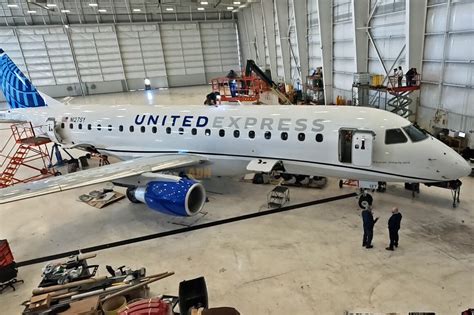
Aircraft selection plays a crucial role in these routes’ economics. United is deploying Embraer E175 regional jets on thinner markets, while higher-demand routes to Bangor and Portland will utilize Boeing 737-800 aircraft, offering greater capacity and enhanced onboard amenities.
Carefully Timed Start and End Dates Reflect Demand Forecasting
The majority of seasonal routes are scheduled to begin around May 23, aligning with the start of the peak summer travel season. Exceptions include Chicago–Yellowstone, which launches a day earlier, and the West Coast–Maine routes beginning in late June to capture peak East Coast summer tourism.
End dates vary based on destination demand profiles. Routes such as Denver–Chattanooga and Houston–Spokane conclude in early August, while others like Washington Dulles–Quebec City extend into late October, capturing early fall travel and leaf-peeping traffic. This staggered approach highlights United’s reliance on granular demand forecasting rather than a one-size-fits-all seasonal schedule.
Year-Round Routes Strengthen Business Connectivity
Complementing the leisure-heavy seasonal additions are five new year-round routes, all designed to operate daily and serve markets with consistent business and visiting-friends-and-relatives demand. These routes mark a more permanent expansion of United’s domestic footprint and signal confidence in sustained traffic levels.
The airline is launching new nonstop service from Denver to Albany, restoring a link that enhances connectivity between the Mountain West and New York’s Capital Region. Meanwhile, Houston to Windsor Locks (Bradley International Airport) returns after last being served in 2022, reconnecting a key New England market with United’s largest hub.
Los Angeles emerges as the biggest winner in this expansion, gaining three new nonstop routes to Columbus, Pittsburgh, and Kansas City. These additions reflect United’s ambition to grow market share at LAX, a competitive airport where the airline is working to expand relevance despite its dominant hub just north in San Francisco.
Los Angeles Takes Center Stage in United’s Growth Plans
More than half of the new year-round routes originate from Los Angeles International Airport, underscoring United’s renewed commitment to the Southern California market. By adding daily service to key Midwestern and Eastern cities, United is positioning LAX as a stronger business gateway rather than solely a long-haul or leisure-focused station.
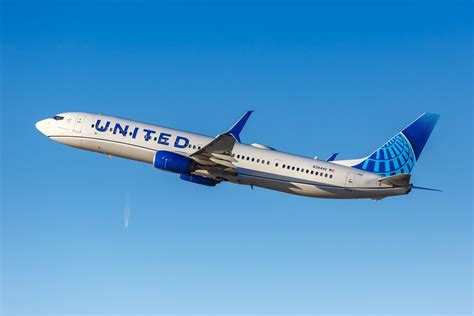
The choice of aircraft further supports this strategy. Most year-round routes will be operated by Boeing 737-800s, providing consistent capacity and onboard product, while the Los Angeles–Kansas City route will use the Embraer E175 under the United Express brand to match demand levels while maintaining frequency.
Aircraft Deployment Reflects Network Optimization
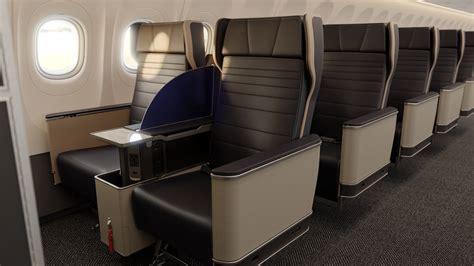
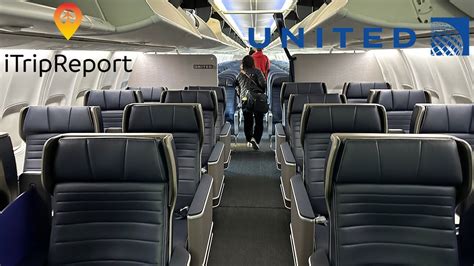
Across all 14 routes, United is leveraging a mixed fleet strategy that balances efficiency and passenger experience. The Embraer E175, with its 76-seat configuration and no middle seats, is well-suited for thinner markets and premium regional service. Meanwhile, the 166-seat Boeing 737-800 anchors higher-demand routes and supports United’s broader United Next initiative, which focuses on upgauging aircraft and modernizing interiors.
This deliberate aircraft allocation enables United to enter new markets without overcommitting capacity, while still delivering a competitive onboard product that aligns with evolving traveler expectations.
A Calculated Expansion With Long-Term Implications
United Airlines’ summer route expansion is more than a seasonal adjustment—it represents a measured recalibration of its domestic strategy. By pairing limited-risk seasonal experiments with high-confidence year-round services, United is strengthening its competitive position while gathering valuable data on emerging travel patterns.
The emphasis on Los Angeles, the selective use of regional jets, and the focus on underserved city pairs all point to a network strategy that prioritizes precision over scale. As United continues to refine its domestic offerings alongside its globally dominant long-haul network, these new routes could play a pivotal role in reshaping the airline’s North American presence well beyond the summer travel season.