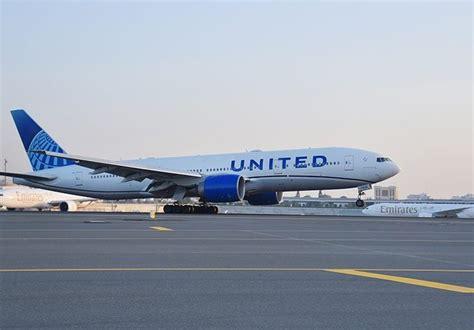
United Airlines has made waves in North America’s aviation sector by suspending its Denver–Winnipeg route, a critical air link for cross-border travel and economic ties between the United States and Canada. The move, confirmed for January 2025, follows the Manitoba government’s abrupt decision to eliminate nearly $5 million USD in aviation subsidies, raising significant concerns for the region’s connectivity and economic resilience.
The sudden cancellation isn’t an isolated airline adjustment—it underscores deeper economic and political undercurrents threatening the viability of regional routes. As North America grapples with post-pandemic recovery, strained budgets, and fragile diplomatic relations, Manitoba finds itself at the epicenter of a brewing transportation crisis.
United Airlines Cuts Lifeline Between Denver and Winnipeg
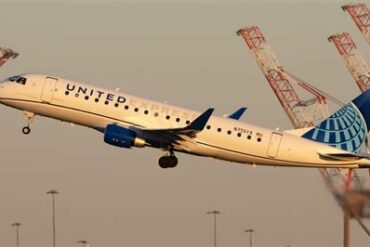
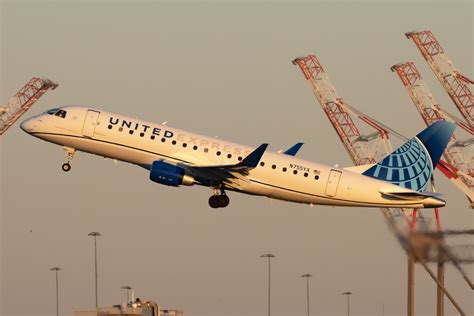
For years, United Airlines operated a daily Embraer 175 service between Denver International Airport (DEN) and Winnipeg James Armstrong Richardson International Airport (YWG), providing a vital connection for businesses, tourists, and families. With 74 seats available each day, the route served as a crucial bridge linking the Rocky Mountains and the Canadian Prairies, bolstering trade, tourism, and cultural exchange.
The suspension, however, leaves a noticeable gap in North America’s air network. Winnipeg, already navigating fierce competition for tourism and investment dollars, faces increased isolation as direct U.S. connectivity shrinks.
The $5 Million Catalyst: Manitoba’s Subsidy Withdrawal
The driving force behind this aviation shake-up lies in Manitoba’s decision to slash $5 million USD (approximately CAD 6.8 million) in subsidies earmarked to support air connectivity. These funds, designed to foster route development and stabilize emerging markets, have long been seen as essential for maintaining competitive, direct air links.
Although United Airlines has not publicly confirmed the Denver–Winnipeg route as directly subsidy-dependent, the timing of its cancellation leaves little room for doubt. The province cites economic constraints and evolving budget priorities as justification, but industry insiders warn of broader repercussions.
The removal of subsidies signals to airlines that Manitoba may no longer provide financial safety nets, prompting route evaluations based strictly on profitability metrics. In a highly competitive aviation environment, that could prove disastrous for smaller markets like Winnipeg.
Other Routes Teetering on the Brink
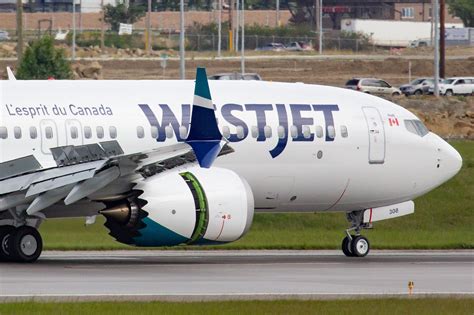
United Airlines isn’t the only carrier reconsidering its Manitoba operations. WestJet, Canada’s second-largest airline, faces uncertainty over two pivotal U.S.-bound routes launched with financial backing from the same provincial subsidy program:
- Winnipeg (YWG) to Los Angeles (LAX) – 2 flights per week during peak summer months, with seat capacity ranging between 307 and 336.
- Winnipeg (YWG) to Atlanta (ATL) – 5 flights per week, offering 724 to 799 seats weekly aboard Boeing 737-800s and 737 MAX 8 aircraft.
While the Atlanta service may survive, buoyed by strategic codeshare agreements with Delta Air Lines via its Atlanta mega-hub, the Los Angeles route faces a more precarious future.
Hollywood-Winnipeg Film Ties Under Threat
The possible loss of the Winnipeg–Los Angeles connection carries ramifications that extend beyond passenger convenience. The route was specifically cultivated to strengthen the burgeoning ties between Hollywood’s entertainment industry and Manitoba’s film production sector.
Winnipeg has become a sought-after destination for American productions, drawn by generous provincial film tax incentives and a reputation for versatile filming locations. From major Hollywood movies to streaming series, Manitoba’s film industry has blossomed as a result.
The now-jeopardized LAX route served as a direct conduit for producers, talent, and crew members, streamlining cross-border collaboration. Its potential disappearance threatens to slow project pipelines, diminish Manitoba’s competitive edge, and chill investment in the local film economy.
Broader Economic Consequences for Manitoba
The cancellation of the Denver–Winnipeg route, coupled with uncertainty around other flights, strikes at the heart of Manitoba’s economic ambitions. Tourism, trade, and business sectors all face setbacks as vital U.S. air links disappear.
Visitors from Denver and Los Angeles represent high-value travelers, supporting local hotels, restaurants, cultural institutions, and conference centers. Without direct flights, Manitoba risks losing out to more accessible Canadian cities, compounding challenges for industries already under pressure.
Moreover, air connectivity is essential for attracting and retaining global investment. The longer Manitoba’s skies remain constricted, the harder it becomes to lure new business ventures or expand existing operations.
Fragility of Cross-Border Air Travel
United Airlines’ withdrawal exposes the delicate balance sustaining cross-border flights, particularly between secondary markets in Canada and the U.S. While major hubs like Toronto or Vancouver may weather policy shifts, cities like Winnipeg are far more vulnerable.
Airlines operate on razor-thin margins, and regional routes often rely on public subsidies, partnerships, or strategic codeshare agreements to remain viable. The erosion of any one factor—such as Manitoba’s funding program—can trigger cascading route cancellations, diminishing regional mobility.
Political and Economic Tensions Fuel Instability
The situation also reflects wider economic and political frictions simmering between Canada and the United States. Trade disputes, immigration anxieties, and concerns over offshoring have strained bilateral relations, impacting travel patterns and investment flows.
Airlines remain cautious, unwilling to shoulder the financial risks of underperforming routes absent government support. This climate of uncertainty makes every provincial or state-level funding decision a high-stakes gamble for aviation stakeholders.
A Glimpse at the Numbers
The scale of disruption, while measured in flight frequencies and seat counts, belies its broader implications:
- United Airlines Denver (DEN) – Winnipeg (YWG)
- Daily flights suspended as of January 2025
- 74 seats per day previously available
- Operated by Embraer 175 regional jets
- WestJet Winnipeg (YWG) – Los Angeles (LAX)
- 2 flights per week during peak travel months
- 307 to 336 seats per week
- WestJet Winnipeg (YWG) – Atlanta (ATL)
- 5 weekly flights
- 724 to 799 seats per week, served by Boeing 737s
Each lost seat represents diminished economic opportunity for Manitoba, as travelers, filmmakers, and businesses adjust plans or redirect spending elsewhere.
What Comes Next for Manitoba’s Air Links?
For now, the Denver–Winnipeg connection remains grounded until at least summer 2026, with no guarantees of resumption. Even if flights return, they will likely do so under tighter economic conditions, with higher fares and constrained schedules.
Manitoba faces a stark crossroads: either reinstate strategic subsidies to safeguard essential routes or risk deeper isolation and economic fallout. Policymakers must weigh fiscal prudence against long-term development goals, with the understanding that restoring lost connectivity is exponentially harder than preserving existing links.
Meanwhile, airlines, businesses, and travelers alike must navigate an aviation landscape where connectivity is no longer assured, and economic partnerships can unravel with a single policy shift.
The Future of North American Regional Aviation
The United Airlines route suspension serves as a cautionary tale for governments and industry leaders across North America. It illustrates the fragility of secondary city air links and the outsized role public policy plays in shaping the continent’s aviation map.
As geopolitical tensions simmer and economic headwinds persist, stakeholders must collaborate to ensure regional markets aren’t left behind. Otherwise, the disappearance of routes like Denver–Winnipeg may herald a broader retreat from cross-border connectivity—an outcome with lasting consequences for trade, culture, and growth.
In the high-altitude chess game of North American aviation, every canceled flight carries far-reaching impacts. Manitoba’s skies, for now, tell a story of caution—and a future yet to be written.