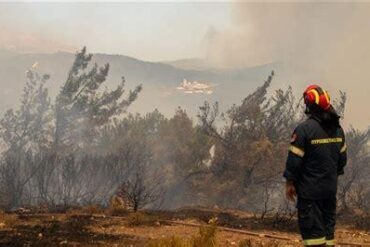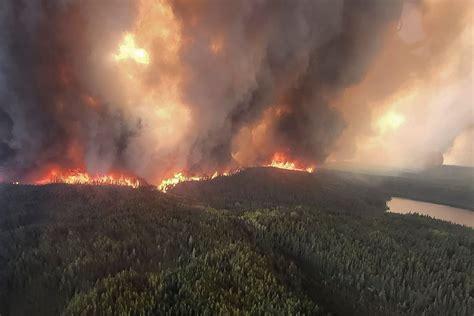
As Canada grapples with the devastating impact of Manitoba’s raging wildfires, the travel landscape is shifting dramatically. The province is currently enduring one of its worst wildfire seasons in decades, with over 100 active fires scorching a staggering 2.5 million acres of land. This unprecedented situation has not only left thousands homeless but has also resulted in significant disruptions to transportation and air quality across the region. Travelers looking to navigate through or around Manitoba are facing hazardous conditions, temporary flight delays, and even cancellations as smoke from the fires blankets vast areas.
Manitoba’s Unprecedented Wildfire Season
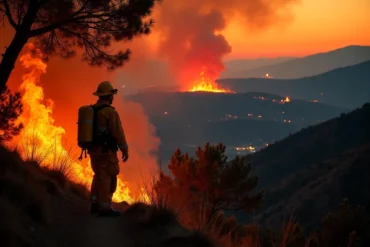
The summer of 2025 has seen Manitoba declare a state of emergency, marking a pivotal moment in its history as it confronts an unprecedented wildfire crisis. The extent of the devastation is alarming, with fires spreading rapidly across the province, fueled by a potent combination of record heat and prolonged dry conditions. This year’s fire season is on track to become the worst in 31 years, rivalling the catastrophic events of 1994. As flames continue to consume large swaths of forest and farmland, the reality of the situation is stark; the risks to local communities, wildlife habitats, and air quality are escalating at an alarming rate.
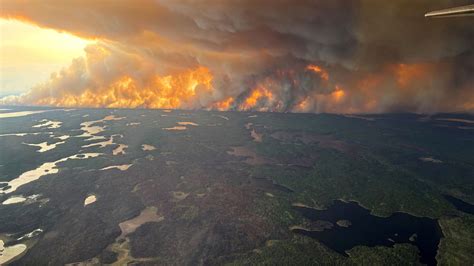
The Growing Crisis: Communities Under Siege
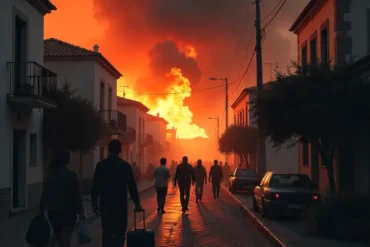
The ramifications of these wildfires extend beyond environmental concerns; entire communities are under threat. Mass evacuations have been ordered in several towns, notably including Snow Lake and the Garden Hill First Nation, forcing thousands to abandon their homes. The sheer scale of these evacuations is unprecedented, as local authorities scramble to provide temporary shelters and essential supplies for those displaced. The mental toll on evacuees is profound, with many unsure of the fate of their homes and belongings, which adds a layer of emotional distress to an already traumatic situation. Community leaders are working tirelessly to offer immediate assistance, yet the magnitude of the disaster is stretching resources thin.
Air Quality Crisis: Health Risks Looming
As the wildfires rage, the air quality across Manitoba has deteriorated sharply. Smoke from the fires has created hazardous conditions not just in areas close to the flames but also in cities like Winnipeg, located hundreds of miles away. Residents are being advised to limit outdoor activities, particularly those with pre-existing health conditions such as asthma or chronic obstructive pulmonary disease (COPD). Hospitals are reporting an uptick in patients experiencing respiratory issues, leading health officials to issue warnings about the dangers of smoke exposure. The situation is exacerbated by the potential for further fires igniting, as weather conditions remain hot and dry.
Climate Change: The Underlying Catalyst
The severity of this wildfire season cannot be discussed without acknowledging the role of climate change. Rising global temperatures contribute to extended fire seasons, and the increasing frequency of droughts creates a perfect storm for wildfires to flourish. While lightning strikes are a natural ignition source for many of the fires, the intensity and spread of the blazes have been significantly amplified by these climatic changes. As Manitoba faces severe thunderstorms alongside dry conditions, firefighters are finding it increasingly difficult to gain control over the raging infernos.
The Future: Rebuilding After the Flames
As Manitoba navigates the immediate challenges posed by the wildfires, there is a palpable sense of urgency regarding long-term strategies for wildfire management and climate adaptation. The destruction witnessed this summer serves as a sobering reminder of the far-reaching impacts of climate change on Canadian landscapes. Effective policies and infrastructure must be developed to mitigate the effects of future wildfire seasons, which are likely to become more frequent and intense.
Conclusion: Resilience in the Face of Adversity
Despite the overwhelming challenges, the spirit of Manitobans remains unbroken. Communities are coming together to support one another during this crisis, demonstrating an incredible resilience in the face of adversity. While the battle against wildfires continues, there is hope that Manitoba will rise from the ashes, stronger and more prepared for the challenges ahead. As travelers consider their plans, it is vital to stay informed about ongoing developments, as the situation continues to evolve. The wildfires in Manitoba serve as both a wake-up call and a poignant reminder of the urgent need for collective action against climate change and its disastrous consequences.