Turkey: Devastating Wildfires and Scorching Heat
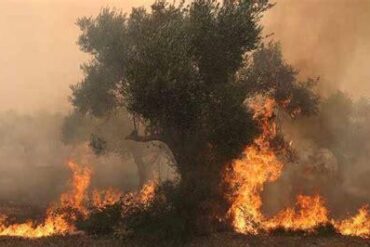
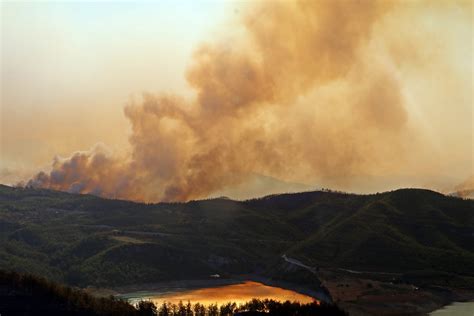
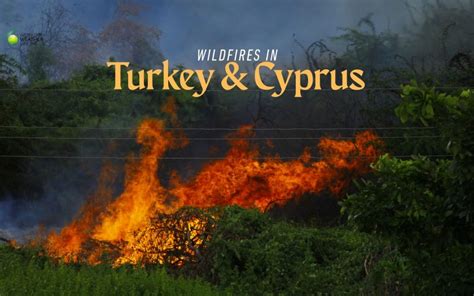
In Turkey, the heatwave has reached alarming levels, with temperatures soaring to 50°C (122°F) in various regions. The wildfires that have ignited in provinces such as İzmir, Bilecik, and Karabük are being fueled by these intense conditions, resulting in tragic consequences. At least 13 lives have been lost, including 10 firefighters bravely combating the blazes. Thousands of hectares of land have been devastated, and over 50,000 people have been evacuated from their homes. Emergency response teams are working tirelessly, yet the situation remains critical, highlighting the escalating threat posed by climate change.
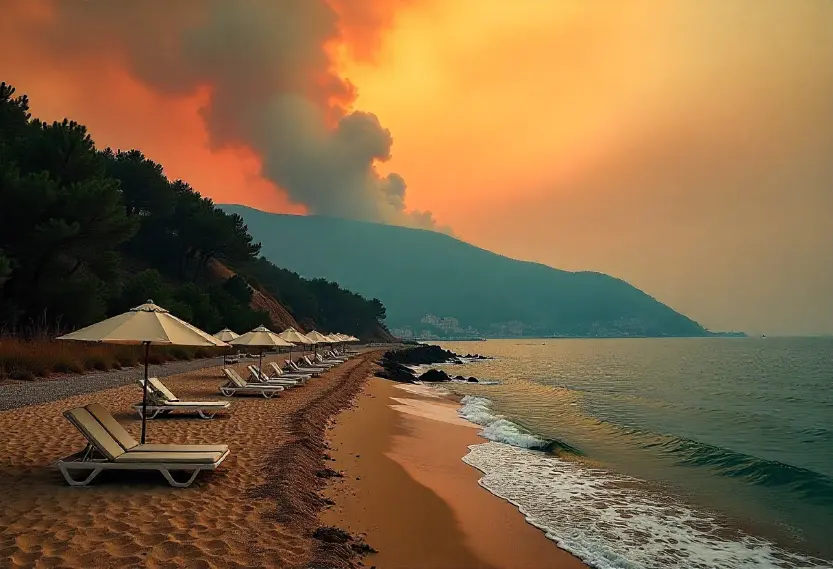
Tourists visiting Turkey are facing significant disruptions, particularly along the popular Mediterranean coast, where several attractions have been temporarily closed. Authorities have issued warnings advising travelers to avoid affected areas and remain indoors during peak heat hours. For business travelers, the consequences are equally dire, with delays and cancellations affecting sectors heavily reliant on outdoor activities, such as tourism and agriculture.
Greece: Battling Multiple Blazes Amid Record Temperatures
Greece finds itself in a similarly perilous position, grappling with over 50 wildfires fueled by temperatures that have surged to 44°C (111°F). The islands of Evia, Crete, and Kythera have seen widespread evacuations as fires threaten residential areas. One of the most iconic landmarks, the Acropolis in Athens, was forced to close during peak hours to ensure visitor safety. As the government issues regular warnings and emergency alerts, the tourism industry faces significant challenges, with many travelers cutting their trips short or seeking alternative destinations altogether.
Cyprus: Experiencing the Worst Wildfires in Decades
In Cyprus, the situation is dire, with the nation facing its worst wildfires in over 50 years. The relentless heat, reaching up to 44°C (111°F), has exacerbated the spread of flames, leading to the destruction of dozens of homes and approximately 39 square miles of forested land. Tragically, at least two fatalities have been reported, and around 100 individuals have been evacuated from high-risk areas. International assistance has arrived, with firefighters from Greece, Spain, and the UK joining the battle against the blazes.
For tourists, the wildfires have prompted temporary closures of resorts and attractions, necessitating caution when planning visits. Local authorities have implemented safety measures to protect both residents and visitors, yet the disruptions to the tourism sector are palpable, indicating a significant setback for the economy.
Scandinavia: Unprecedented Heat and Fire Risks
While the Mediterranean regions are suffering greatly, Scandinavia is not immune to the effects of this extreme heatwave. Countries such as Sweden, Finland, and Norway have recorded temperatures exceeding 30°C (86°F), far above seasonal averages. Dry conditions have led to numerous forest fires, particularly in Finland’s Lapland region. The Swedish Meteorological and Hydrological Institute has issued warnings, noting a concerning rise in hospital admissions among vulnerable populations, including the elderly and those with pre-existing respiratory conditions.
Travelers in these northern countries must take necessary precautions to avoid heat-related illnesses, especially in forested areas where fires pose a heightened risk. The combination of rising temperatures and environmental threats calls for immediate attention from both authorities and travelers alike.
The Growing Impact on Business and Tourism
The repercussions of wildfires and heatwaves across Turkey, Greece, Cyprus, and Scandinavia extend beyond local communities; they have profound implications for the tourism industry. The fires, evacuations, and health risks associated with extreme heat deter potential travelers and disrupt the plans of thousands. Popular destinations in Greece and Turkey have been severely impacted, resulting in a wave of cancellations and early departures.
Business travelers face a myriad of challenges due to infrastructure disruptions, flight delays, and the necessity for emergency responses, complicating efforts to conduct meetings and events. Sectors dependent on hospitality and outdoor tourism are experiencing some of the most significant setbacks, with local businesses bracing for substantial financial losses in the wake of this crisis.
Quick Tips for Tourists in Affected Regions
As travelers navigate these tumultuous times, it is crucial to prioritize safety and well-being. Here are some essential tips for those planning to visit affected regions:
- Stay Informed: Regularly check weather warnings and local advisories regarding heatwaves and wildfires.
- Limit Outdoor Activities: Avoid outdoor sightseeing during the hottest parts of the day to reduce exposure to extreme heat.
- Be Prepared for Evacuations: Familiarize yourself with evacuation routes and safety protocols if traveling to fire-prone areas.
- Stay Hydrated: Drink ample water, particularly in regions experiencing extreme heat, to prevent dehydration.
- Follow Local Safety Instructions: Adhere to evacuation orders and health advisories issued by local authorities to ensure your safety.
Conclusion: A Wake-Up Call for Sustainable Travel
The extreme weather events of 2025 across Europe—especially in Turkey, Greece, Cyprus, and Scandinavia—underscore the urgent need to address the climate crisis. These wildfires and heatwaves not only devastate local communities but also significantly disrupt tourism, an economic cornerstone for many countries. As climate change continues to exacerbate such extreme weather phenomena, it is imperative for travelers to adapt, stay informed, and prioritize sustainable practices in their travel plans.
For both tourists and business travelers, the summer of 2025 serves as a stark reminder of the necessity for preparedness in the face of extreme weather conditions. It is clear that addressing broader environmental issues is crucial for the future of global tourism.