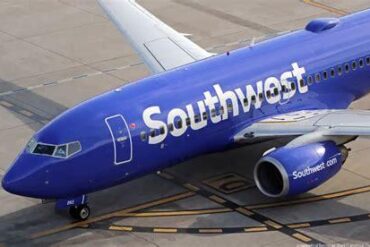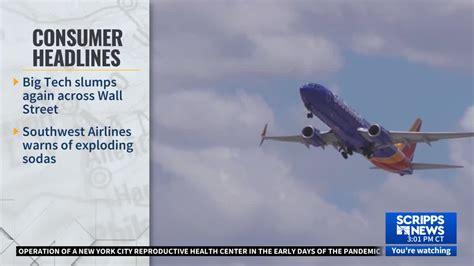
As summer 2025 scorches the American Southwest, Southwest Airlines is waging a new kind of battle on the tarmac—against exploding soda cans. With Phoenix Sky Harbor International Airport experiencing daily highs well above 110°F, the airline has launched a dual-pronged safety initiative that leverages heat guns and refrigerated supply trucks to protect both passengers and flight crew from dangerous midair incidents.
The Desert Heat Crisis Hits the Cabin
The skies over Phoenix and Las Vegas have become a proving ground for extreme aviation adaptations. In summer 2024, Southwest Airlines faced a bizarre but critical safety threat: pressurized soda cans—expanded by relentless heat exposure—began exploding during flights. These incidents weren’t mere nuisances. Nearly two dozen flight attendants sustained injuries, some serious enough to prompt internal investigations and protocol overhauls.
Cans stored for hours in ground service carts baked under the desert sun reached internal pressures well beyond safe limits. Once the aircraft ascended and cabin pressure changed, the cans would rupture unexpectedly, sometimes with alarming force.
High-Tech Heat Guns: A Temperature Line of Defense
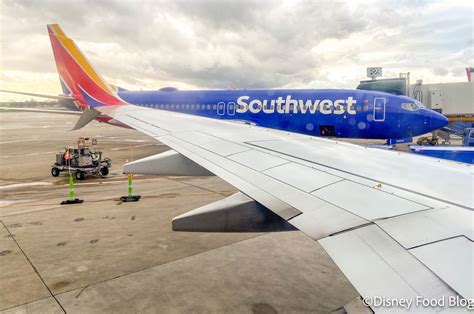
Southwest’s response in 2025 is both inventive and urgently necessary. Heat guns, typically used in industrial settings, are now standard equipment for ground operations teams. These non-contact infrared devices measure the surface temperature of canned drinks before they’re loaded onto planes. Any can registering above 80°F is flagged for replacement or cooling.
This temperature threshold is not arbitrary. 80°F marks the point at which internal can pressure begins to rise exponentially, significantly increasing the risk of rupture under the pressure changes experienced at cruising altitude. Ground crews now perform these checks systematically at Phoenix Sky Harbor and Harry Reid International Airport in Las Vegas—two of the nation’s hottest and busiest hubs.
Refrigerated Supply Trucks: Mobile Cooling Units on the Tarmac
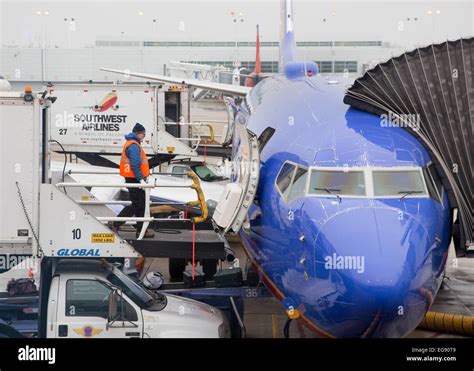
The heat guns are just part of a multi-million-dollar overhaul in Southwest’s supply chain. The real innovation lies in a fleet of custom-built refrigerated supply trucks, which now serve as mobile chillers for food and beverage supplies. Designed specifically to handle the harsh tarmac environment, these trucks maintain internal temperatures far below ambient desert conditions, shielding inventory from heat spikes.
According to Jake Stoddard, a key operations manager in Phoenix, “The trucks are a game-changer. We’re no longer trying to cool drinks after they’ve been exposed—we’re keeping them cold from the start.” These trucks now operate continuously throughout the day, strategically timed to meet tight flight schedules and avoid long heat exposure windows.
Food Safety Under Pressure
While soda cans made headlines, the broader implications for in-flight food safety are equally serious. Rising ambient temperatures pose a major challenge for perishable items—especially on budget carriers where rapid turnaround and limited refrigeration space already strain compliance with food safety standards.
Improperly stored food can lead to temperature abuse, where items rise above safe holding temperatures and create breeding grounds for pathogenic microorganisms. In-flight food safety isn’t just about convenience—it’s a frontline defense against foodborne illness outbreaks that could cripple airline reputations and passenger trust.
Southwest is addressing this by working closely with FAA and FDA guidelines, incorporating advanced thermal monitoring systems, and reshaping their in-flight menu strategy. More meals now rely on heat-stable components, vacuum-sealed packaging, and cook-chill techniques, which preserve freshness while minimizing microbial risks. These steps ensure that food undergoes minimal degradation from kitchen to cruising altitude.
Training the Front Line: Crew Education and SOP Overhauls
Equally critical is how crew members handle food and beverages once airborne. Southwest has instituted new crew training modules, teaching flight attendants how to identify swollen cans, manage emergency leaks, and understand the principles behind thermal expansion and pressure dynamics. Safety cards and manuals have also been revised to include temperature sensitivity guidelines, offering fast reference points in midair scenarios.
The investment in education reinforces a broader cultural shift within the airline—proactive risk mitigation instead of reactive fixes. In the words of Stoddard, “Our team doesn’t wait for a problem to explode—literally or figuratively.”
A Model for Aviation Amid Climate Extremes
Southwest’s innovative handling of what could be deemed a “minor issue” like exploding soda cans actually illustrates a larger, existential challenge facing the aviation industry: climate resilience. As heatwaves become more frequent and more severe, especially across the Sun Belt and Southwest United States, the ripple effects will touch every corner of flight operations—from maintenance to catering.
The 2025 initiative at Southwest could become a blueprint for industry-wide change. Already, reports suggest that other U.S. carriers are quietly consulting with Southwest’s Phoenix operations team and exploring similar thermal control measures. While refrigerated trucks and infrared thermometers may once have seemed excessive for soft drink logistics, they now represent a new standard in aviation safety under heat stress.
Passenger Confidence in the Heat
Southwest Airlines is not just fixing a mechanical issue; it’s restoring passenger confidence. In-flight injuries—especially from something as unexpected as a rupturing beverage—can seriously undermine customer trust, particularly in the age of viral videos and heightened public scrutiny of airline practices.
By publicizing its efforts and taking visible steps to ensure food and beverage integrity, Southwest is winning praise from frequent flyers and aviation safety analysts alike. Passengers are increasingly seeking transparency and control—and this level of diligence signals that their airline is taking even the smallest risks seriously.
Environmental Trade-Offs: Cooling with a Carbon Cost
Of course, introducing refrigerated trucks and power-intensive heat monitoring systems comes with an environmental trade-off. Running mobile refrigeration units across scorching airport tarmacs consumes considerable energy and increases operational emissions. However, Southwest is reportedly exploring electric-powered refrigerated trucks and solar-assist systems to offset this footprint. These enhancements, while still in pilot phases, could help the airline align its safety innovation with its broader sustainability commitments.
This balancing act—between safety, service reliability, and sustainability—will be central to the airline industry’s evolution as climate-related disruptions increase in both frequency and severity.
Looking Forward: Scaling Heat Response Protocols Nationwide
Though Phoenix and Las Vegas are the immediate battlegrounds, climate modeling suggests that other cities—such as Dallas, Sacramento, and even Atlanta—could soon face similar challenges. Southwest is already conducting internal assessments on whether to expand refrigerated truck deployment and heat gun screenings to other hot-weather hubs.
Moreover, the airline is evaluating AI-powered systems that can predict peak risk times for thermal expansion issues, enabling smarter deployment of resources. Integrating weather analytics with supply chain operations could turn what was a narrowly reactive protocol into a scalable, predictive safety infrastructure.
Conclusion: A Small Spark, a Big Shift in Aviation Safety
What began with a handful of exploding soda cans has evolved into a comprehensive, multi-layered safety transformation. Through the use of heat guns, refrigerated trucks, enhanced crew training, and revised food protocols, Southwest Airlines is setting a powerful precedent for aviation in the era of climate extremes.
This initiative demonstrates how a focused, tangible response to a specific problem—however niche it might seem—can drive sweeping operational improvements and boost passenger trust. As the summer of 2025 blazes on, Southwest’s response serves not only as a technical fix but also as a case study in how airlines must innovate or burn out in a rapidly warming world.