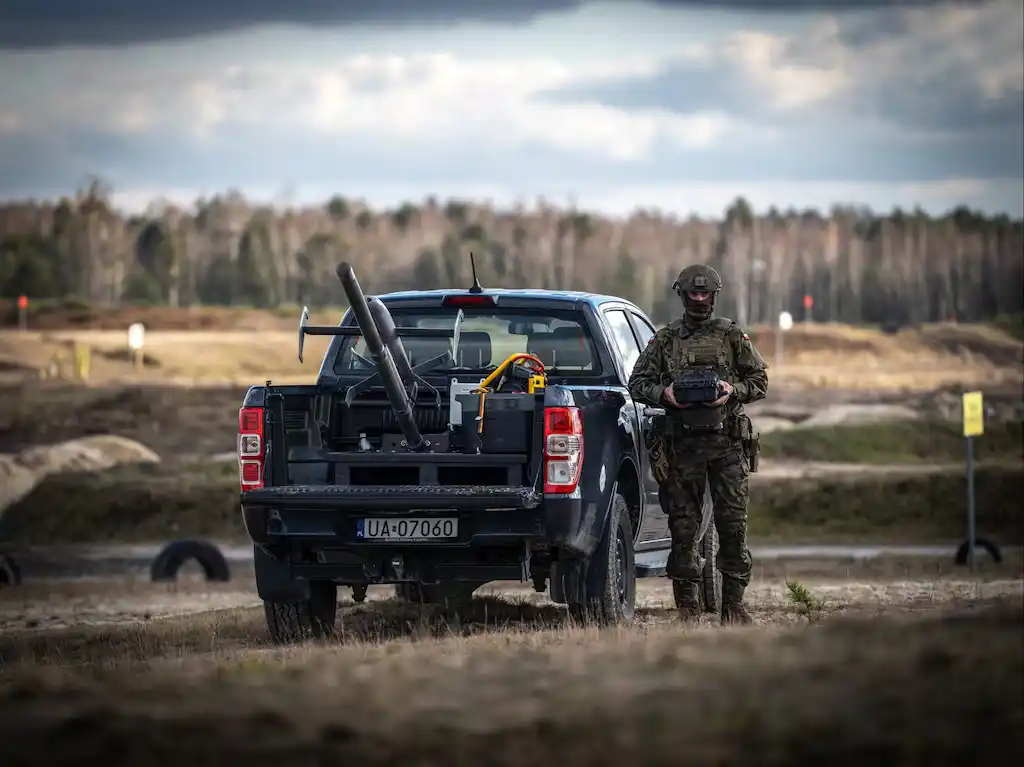
In a striking display of modern battlefield innovation, U.S. and NATO troops have taken drone warfare to the next level by using pickup trucks as launch platforms for drone-on-drone combat systems. The drills took place at the Nowa Dęba Training Area in Poland, where troops tested a compact and highly mobile counter-unmanned aerial system (C-UAS) designed to neutralize hostile drones using expendable interceptors.
Tactical Innovation on the Eastern Flank
This exercise, a joint effort between the U.S. Army’s 1st Battalion, 57th Air Defense Artillery Regiment and their Polish and Romanian counterparts, marks a significant shift in how NATO forces approach aerial threats. The training followed an intensive two-week course comprising classroom sessions, simulation-based scenarios, and field drills, culminating in real-world engagement of enemy drone targets.
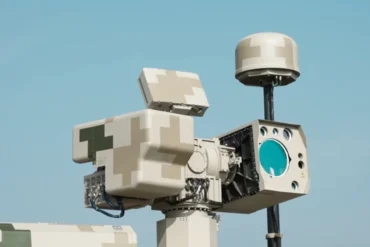
What sets this operation apart is the mobility and versatility of the system. All components—including electro-optical sensors, radar arrays, and the kinetic interceptors—can be loaded into light tactical vehicles or even mounted in the bed of a pickup truck. The platform is designed to be deployed rapidly by a four-person crew, enhancing responsiveness in frontline environments.
Drone Interceptors: Fast, Lethal, and Reusable
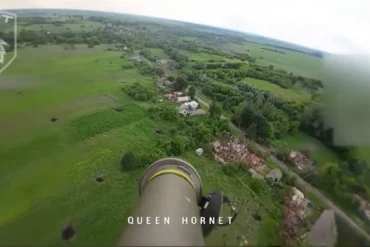
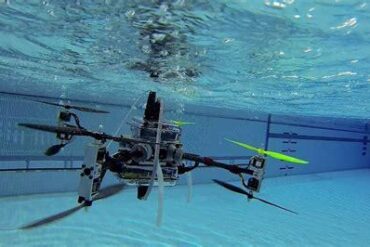
The interceptor drones serve as the lethal element of the system, swiftly dispatched to collide with and disable incoming enemy UAVs. These interceptors can be retrieved after use thanks to parachute-assisted landings, although they are also designed to operate as expendable munitions—ideal for defeating suicide drones, which have become a recurring threat in contemporary conflict zones like Ukraine.
According to Brig. Gen. Curtis King, commanding general of the 10th Army Air and Missile Defense Command, “It’s very lethal, very effective, but the key piece here is that it’s cost effective.” He emphasized the system’s relevance to active conflict theaters, noting that the same technologies are already being employed in Ukraine, where drone warfare has reshaped tactical doctrines on both sides.
Strengthening NATO’s Eastern Shield
The exercise was conducted under the broader umbrella of NATO’s Operation Eastern Sentry, a strategic initiative aimed at fortifying the alliance’s eastern defenses amid growing concerns over drone incursions and airspace security. The inclusion of NATO partners like Poland and Romania further underscores the alliance’s commitment to integrated air defense strategies and joint operational readiness.
Practicality Meets Precision
One of the standout advantages of this drone-on-drone defense system is its modular design and rapid deployability. Rather than relying on static or bulky launch platforms, NATO forces can now respond to aerial threats using compact, truck-mounted systems that require minimal logistical support. This asymmetric approach levels the playing field against swarms of low-cost enemy UAVs, enabling rapid reaction and force protection in high-risk zones.
The interceptors rely on a fusion of radar and electro-optical tracking systems to locate, track, and eliminate aerial targets in real-time. Once launched, the interceptors can either crash into enemy drones or detonate nearby, ensuring a high kill probability even in dynamic combat situations.
Future of NATO Air Defense
As NATO continues to modernize its tactical toolkit, mobile drone interception systems like the one tested in Poland will likely become standard equipment in forward-operating units across Europe. The ability to counter small drones—especially the increasingly common one-way attack variants—provides a critical layer of defense for troops, infrastructure, and strategic assets.
This innovation not only showcases interoperability between NATO allies, but also highlights the speed at which military technology is evolving to meet the challenges of modern warfare. From pickup truck to battlefield-ready air defense node, this system embodies a new era of flexible, cost-effective military adaptation.