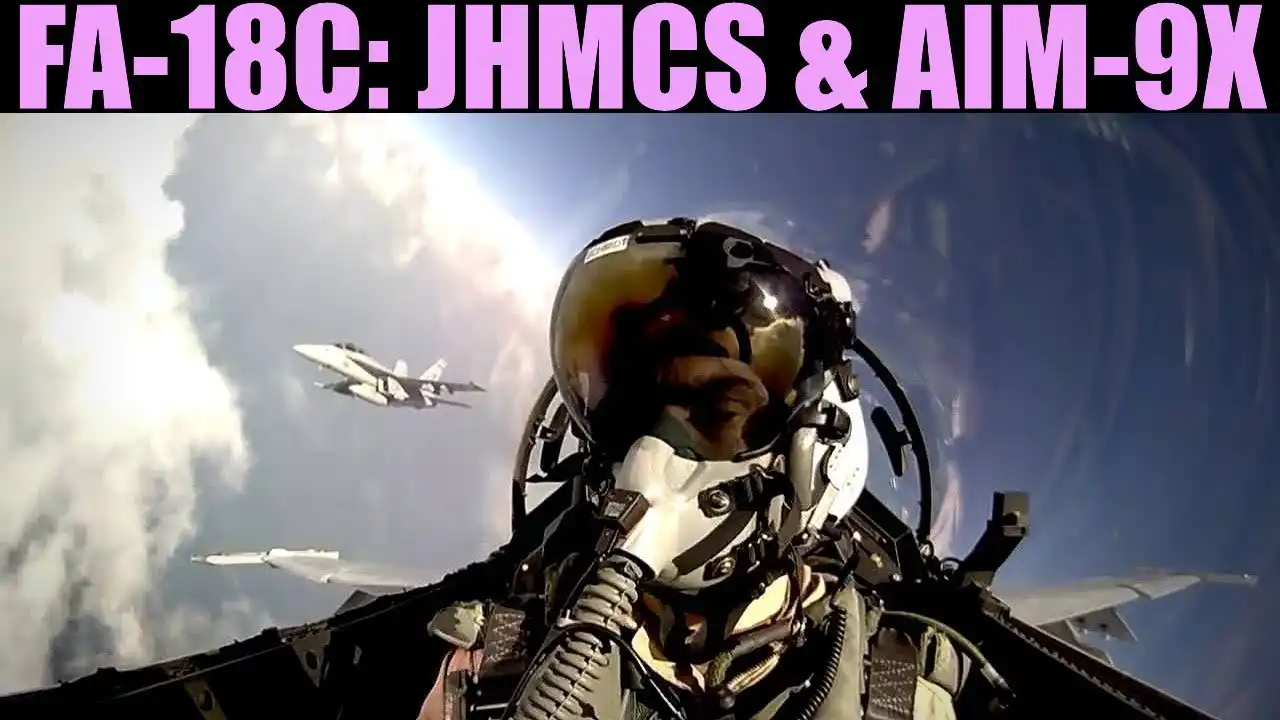
The F/A-18 Hornet and Super Hornet are among the most advanced fighter jets in service today, used extensively by the United States Navy and allied forces. A key component of the aircraft’s sophisticated avionics is the F-18 helmet, an advanced headgear system that enhances situational awareness, targeting, and communication. This helmet integrates multiple cutting-edge technologies, enabling pilots to execute missions with greater precision and efficiency.
Integrated Night Vision and Display System
One of the most crucial advancements in the F/A-18C/D Hornet’s avionics suite is the incorporation of night vision and infrared display systems within the helmet. This integration allows pilots to seamlessly switch between daytime and nighttime operations without requiring external night vision goggles.
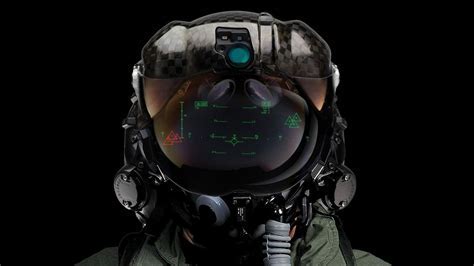
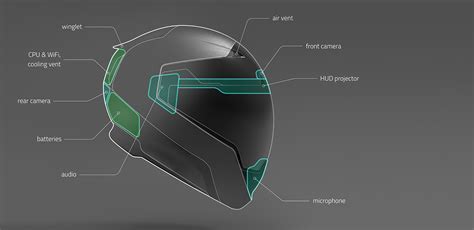
The helmet-mounted display (HMD) projects real-time infrared imagery from the forward-looking infrared (FLIR) system directly onto the pilot’s visor. This ensures that targets and potential threats remain visible even in low-light conditions. Furthermore, critical tactical data, such as enemy positions and missile lock indicators, are overlaid onto the display, significantly improving situational awareness.
Extension of Head-Up Display (HUD) Capabilities
Traditional fighter jets rely on a fixed HUD, which projects critical flight and targeting data onto a transparent screen in front of the pilot. However, the F-18 helmet extends these capabilities by projecting the same information directly onto the pilot’s visor, allowing for a 360-degree field of view without requiring the pilot to align with a fixed screen.
In air-to-air combat, this capability is invaluable. When a pilot locks onto an enemy aircraft using the onboard radar system, the helmet’s display tracks the enemy’s location, keeping it in view regardless of the pilot’s head movement. This provides a major tactical advantage, allowing for rapid response times and superior targeting accuracy.
Enhanced Communication and Data Transmission
The F/A-18 Super Hornet Block III introduces significant upgrades to communication and data-sharing capabilities, further improving the functionality of the helmet. The integration of advanced data links enables seamless coordination between pilots, squadron leaders, and ground control.
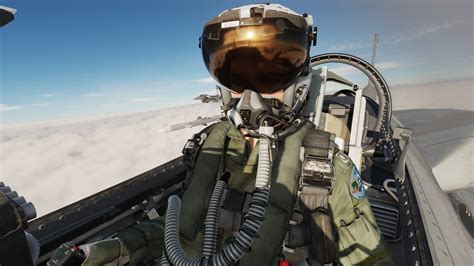
Inside the helmet, an advanced noise-canceling microphone system ensures clear communication, even in high-G maneuvers and intense combat situations. The helmet’s built-in audio processing filters out background noise, allowing pilots to receive and transmit mission-critical information with absolute clarity.
Moreover, the real-time data-sharing capability of the helmet display means pilots can instantly receive threat warnings, missile tracking data, and battlefield intelligence without relying on traditional cockpit instruments.
Lightweight and Ergonomic Design
Given the extreme conditions of high-speed air combat, the ergonomics and weight of the F-18 helmet are of paramount importance. Unlike older helmet models, which could cause significant neck strain during extended missions, the latest iteration of the F-18 pilot helmet is built with lightweight composite materials.
The ergonomic design ensures a comfortable fit for pilots of various head sizes while maintaining a secure grip to prevent slippage during high-speed maneuvers. The weight reduction minimizes fatigue, enabling pilots to maintain peak performance for extended durations, whether on long-range strike missions or carrier operations.
Future Enhancements and Next-Generation Features
As the F/A-18 Super Hornet Block III continues to evolve, so too does its helmet technology. Future iterations of the F-18 helmet are expected to incorporate augmented reality (AR) interfaces, further merging real-world visuals with digital overlays.
Potential upgrades include:
- Enhanced Sensor Fusion – Combining radar warnings, infrared tracking, and electronic warfare data into a single, intuitive visual feed.
- Advanced Targeting and Weapon Cueing – Utilizing AI-driven systems to provide instant target prioritization and predictive tracking.
- Automated Threat Response Displays – Allowing pilots to engage countermeasures without needing to divert focus from their primary objectives.
The adoption of AR technology will significantly enhance battlefield awareness, ensuring that pilots receive the most relevant information in the most efficient manner possible.
Helmet Variants for Different F/A-18 Models
Different F/A-18 models require specialized helmet configurations based on mission needs. For instance:
- EA-18G Growler Pilots – The electronic warfare variant of the Super Hornet requires helmets equipped with enhanced electronic warfare interfaces to control jamming and countermeasure systems.
- F/A-18IN (Indian Variant) – Potential foreign military sales (FMS) variants, such as the F/A-18IN, may feature customized helmet modifications to meet the requirements of specific operators, such as integration with indigenous weapon systems.
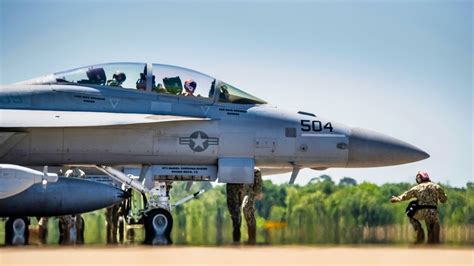
- Carrier-Based Adaptations – F-18 pilots launching from aircraft carriers require reinforced helmet designs to withstand the unique stresses of catapult launches and arrested landings.
Frequently Asked Questions
1. What makes the F-18 helmet different from standard fighter pilot helmets?
The F-18 helmet integrates night vision, HUD projection, and advanced communication systems directly into the visor, whereas standard fighter pilot helmets may require separate attachments for similar functionalities. The real-time data sharing and lightweight materials also set it apart from older designs.
2. How does the helmet-mounted display improve combat effectiveness?
By projecting targeting data, radar information, and tactical alerts directly onto the visor, pilots can engage threats faster without needing to look at cockpit screens. This reduces reaction time, enhances accuracy, and provides a seamless interface between the pilot and the aircraft’s avionics.
3. Are there any future upgrades planned for the F-18 helmet?
Yes, future Block III upgrades are expected to introduce augmented reality features, enhanced AI-driven targeting, and improved sensor fusion to provide pilots with even greater situational awareness and operational control.
The F-18 helmet is a pinnacle of military aviation technology, ensuring that fighter pilots remain ahead of the curve in modern warfare. With its integration of advanced avionics, lightweight construction, and future-ready adaptability, this helmet remains an essential tool for next-generation aerial combat.