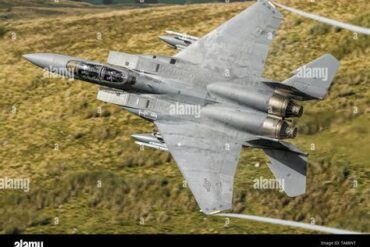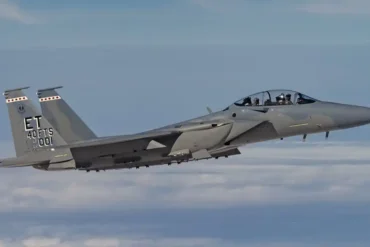
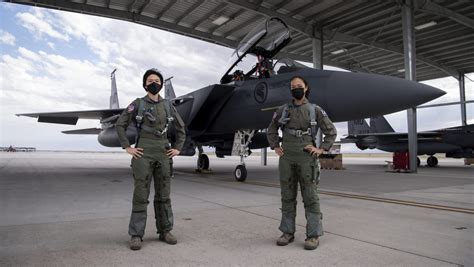
The F-15 Eagle remains one of the most formidable air superiority fighters ever developed. A crucial component of its combat effectiveness is the advanced helmet-mounted display system (HMDS), which enhances pilot situational awareness, target acquisition, and engagement capabilities. Over the decades, these helmet systems have evolved, incorporating cutting-edge technology to keep the F-15 at the forefront of air combat.
The Evolution of Helmet Technology in the F-15 Eagle
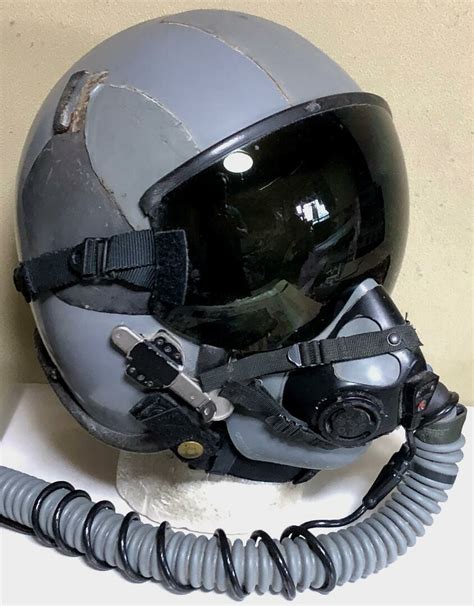
Early Helmet Systems: HGU-55/P
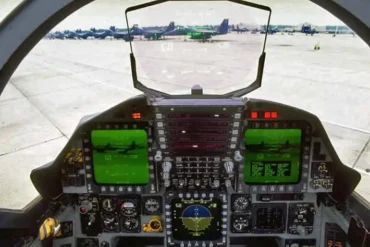
In its early years, F-15 pilots relied on the HGU-55/P helmet, a lightweight design providing essential protection and communication capabilities. While effective, these helmets lacked any form of integrated display or tracking system, requiring pilots to rely solely on their cockpit instruments and heads-up display (HUD) for targeting.
The Introduction of Joint Helmet-Mounted Cueing System (JHMCS)
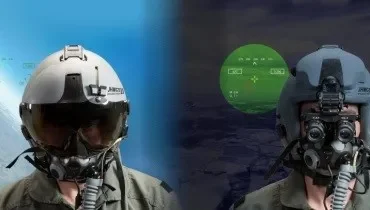
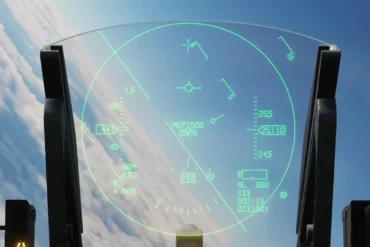
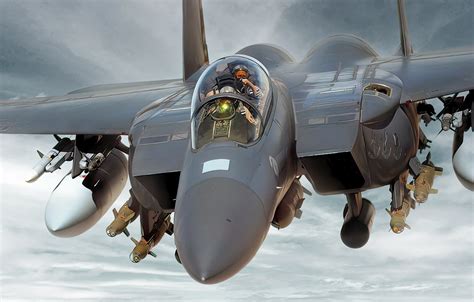
With the introduction of modernized F-15E Strike Eagle and its variants, the Joint Helmet-Mounted Cueing System (JHMCS) became a standard feature. This system projects vital flight and targeting data onto the pilot’s visor, allowing for a “look-and-shoot” capability. By integrating with the aircraft’s radar and sensors, JHMCS enables pilots to lock onto enemy targets simply by looking at them, significantly reducing engagement time in dogfights.
Integration with AIM-9X Sidewinder
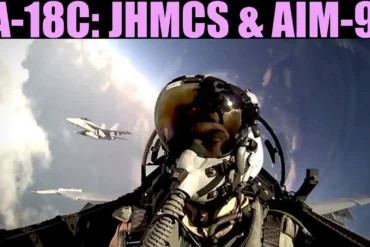
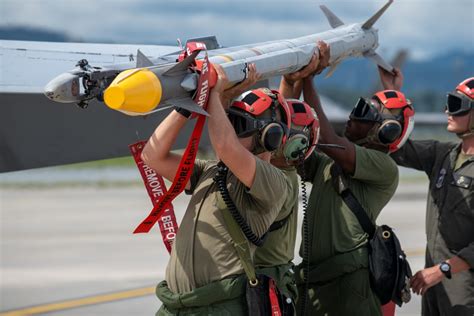
One of the most critical advancements of JHMCS is its seamless integration with the AIM-9X Sidewinder missile. Unlike previous infrared-guided missiles, the AIM-9X can be slaved to the helmet’s direction, allowing the missile to be fired at extreme angles, even behind the aircraft. This capability redefines close-quarters air combat, giving F-15 pilots a lethal advantage over enemy fighters.
Global Adoption and Variants with Enhanced Helmets
F-15J (Japan): Custom Helmet-Mounted Display System
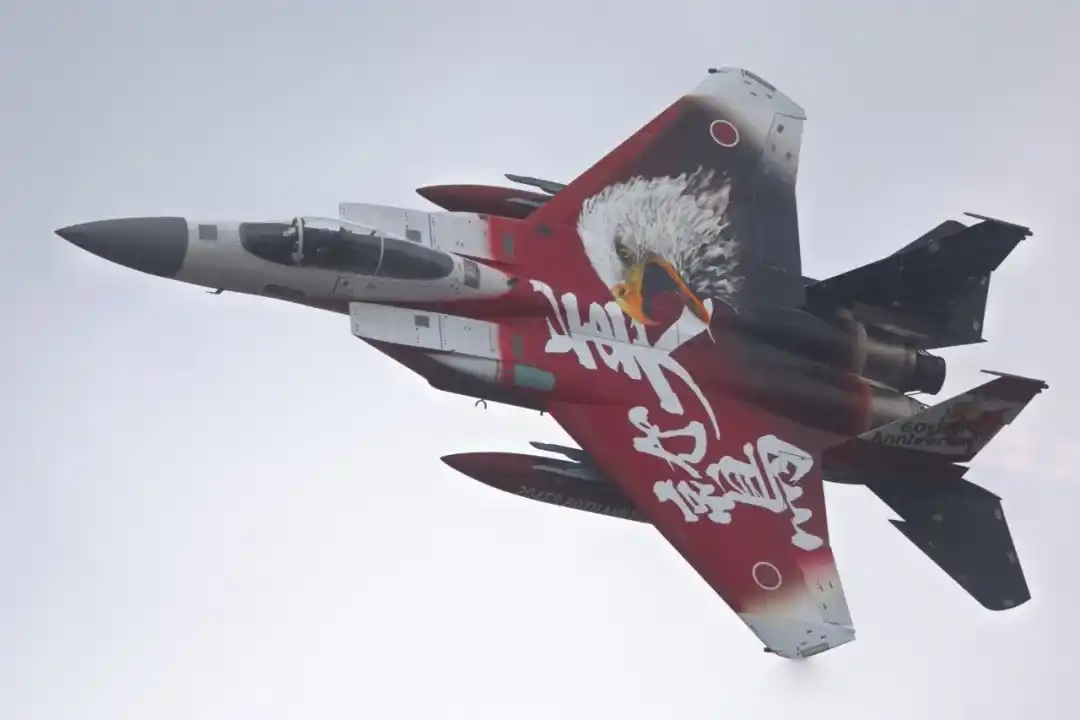
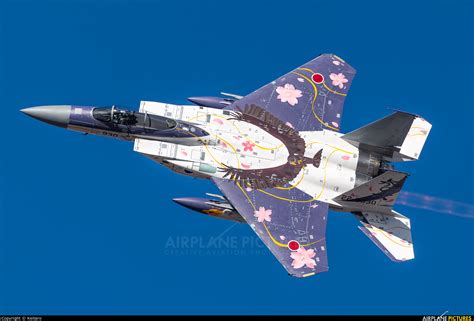
Japan has extensively upgraded its F-15J fleet, originally based on the F-15C/D airframe. A key enhancement includes a custom helmet-mounted display (HMD) system, which works in conjunction with the Tiger Eye infrared search-and-track (IRST) system. This setup provides Japanese pilots with enhanced target-tracking capabilities without depending solely on radar, reducing vulnerability to electronic warfare. Additionally, the integration of the AAM-5 missile, Japan’s equivalent of the AIM-9X, further strengthens the F-15J’s combat capability.
F-15SG (Singapore) and F-15SA (Saudi Arabia)
Singapore and Saudi Arabia operate the F-15SG and F-15SA variants, both featuring JHMCS combined with advanced infrared tracking systems. These aircraft benefit from enhanced target acquisition capabilities, even in electronic countermeasure (ECM) environments. The ability to track and engage multiple targets using helmet-mounted displays ensures superiority in both air-to-air and air-to-ground engagements.
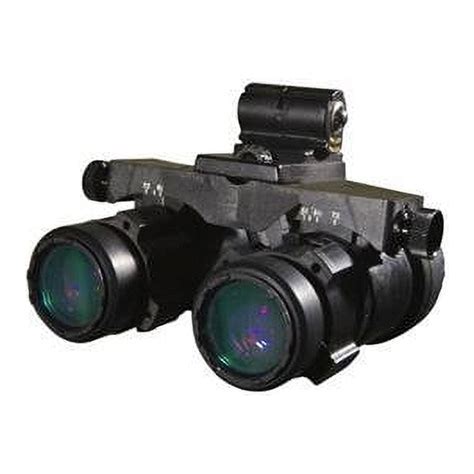
Night Combat Capabilities: AN/AVS-9 Night Vision Goggles
Modern F-15 helmet systems support AN/AVS-9 Night Vision Goggles (NVGs), providing pilots with superior visibility in low-light conditions. These NVGs are crucial for nighttime operations, offering a clear view of the battlefield while maintaining the ability to engage targets with precision-guided munitions. When combined with JHMCS, night vision capabilities further enhance pilot effectiveness in both defensive and offensive missions.
Combat Effectiveness: Real-World Applications
Increased Kill Probability
Simulated and real-world exercises have demonstrated that JHMCS-equipped F-15s achieve an over 90% kill probability in close-range engagements against fourth-generation fighters. The ability to engage targets beyond the aircraft’s nose position has transformed traditional dogfighting tactics, allowing pilots to engage adversaries from nearly any angle.
Exercise Red Flag Results
During Exercise Red Flag, a premier combat training event, F-15 pilots equipped with JHMCS and AIM-9X showcased their superiority against adversary aircraft. Pilots successfully engaged and eliminated multiple enemy targets in high-G maneuvers, reinforcing the effectiveness of the helmet-mounted display system in real-world combat scenarios.
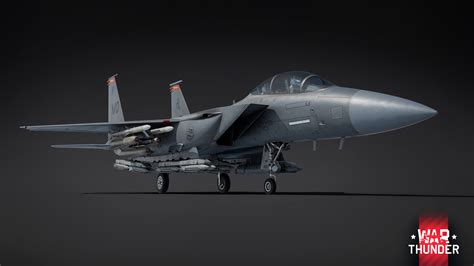
The Future of F-15 Helmet Technology
The evolution of helmet technology in the F-15 continues as air combat grows increasingly sophisticated. Future advancements include Augmented Reality (AR) interfaces, enhanced AI-driven target acquisition, and even biometric monitoring systems that track pilot fatigue and stress levels. These innovations will ensure that the F-15 remains a dominant force in the skies for decades to come, even alongside fifth-generation fighters like the F-22 Raptor and F-35 Lightning II.
Frequently Asked Questions (FAQs)
1. What makes the JHMCS different from a standard pilot helmet?
Unlike traditional helmets, JHMCS projects flight data and targeting information directly onto the visor. This allows pilots to acquire and lock onto targets simply by looking at them, significantly enhancing combat effectiveness.
2. Can the F-15 engage targets behind it using helmet technology?
Yes. With JHMCS and the AIM-9X missile, pilots can engage targets at extreme angles, even outside the aircraft’s forward field of view. This capability dramatically improves dogfight survivability.
3. Do all F-15 variants have helmet-mounted displays?
No. While modern variants like the F-15E, F-15SG, and F-15SA feature JHMCS, older models such as the F-15C/D originally lacked this system. However, many older aircraft have been retrofitted with helmet-mounted displays as part of modernization programs.
The F-15 Eagle’s helmet-mounted display systems represent a significant leap in aerial combat technology. As warfare evolves, these advancements ensure that the F-15 remains a dominant air superiority platform, capable of engaging the most advanced threats in modern aerial warfare.