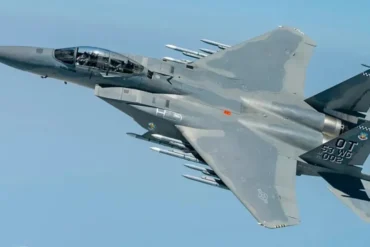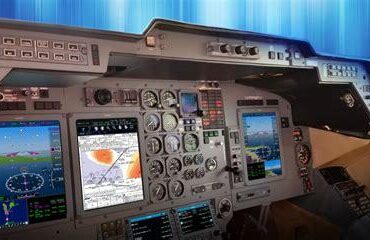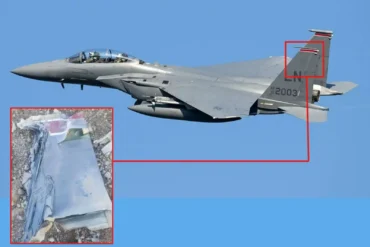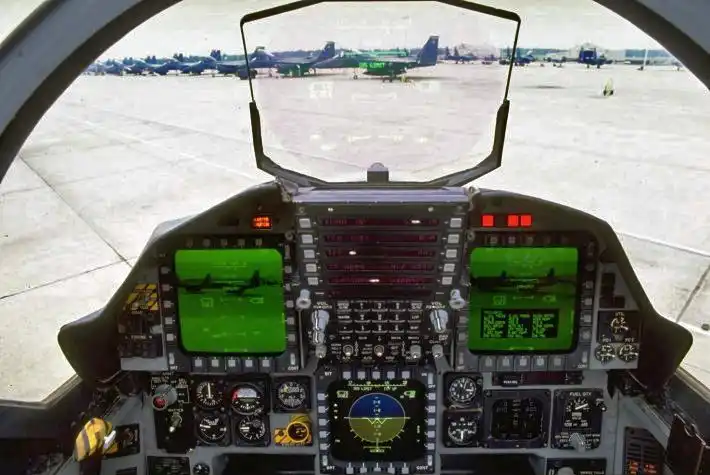
The F-15E Strike Eagle is a formidable multirole fighter, designed for both air superiority and precision ground-attack missions. At the heart of its operational efficiency lies its highly sophisticated cockpit, which incorporates cutting-edge avionics, sensor systems, and crew coordination tools to ensure dominance in modern combat scenarios.
Tandem-Seat Layout and Crew Roles
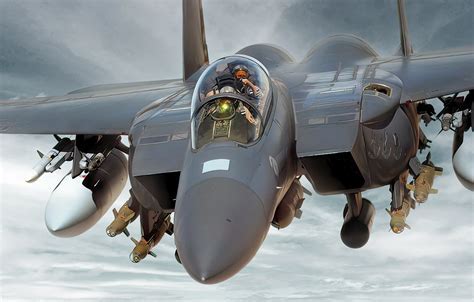
The F-15E cockpit is designed in a tandem-seat configuration, accommodating two crew members: the pilot in the front seat and the Weapons Systems Officer (WSO) in the rear. This setup enhances combat effectiveness by distributing tasks between the two operators.
- Pilot Responsibilities: Manages flight controls, executes maneuvers, and operates air-to-air weaponry.
- WSO Responsibilities: Oversees sensor operations, navigation, radar management, and air-to-ground targeting systems.
Ergonomics and Visibility
The canopy design of the F-15E provides the pilot with a near-360-degree field of view, which is critical in dogfights and low-altitude penetration missions. The rear seat is slightly elevated, ensuring that the WSO maintains situational awareness despite being behind the pilot.
- Ejection Systems: Each seat is equipped with an ACES II ejection seat, capable of safe ejection at various altitudes and speeds.
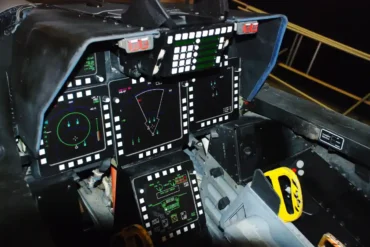
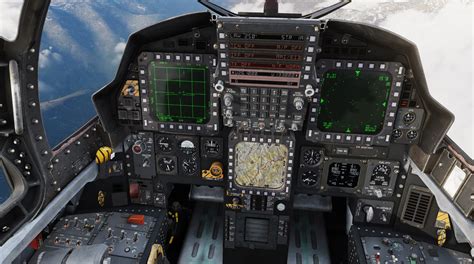
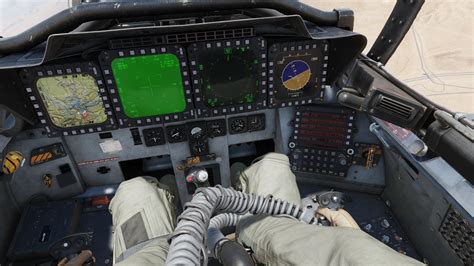
- Cockpit Displays: Both crew members utilize Multi-Function Displays (MFDs) to access and control aircraft systems.
Advanced Avionics and Displays
The F-15E cockpit integrates state-of-the-art avionics to support its multirole capabilities.
Head-Up Display (HUD)
The HUD projects critical flight data onto a transparent screen, allowing the pilot to focus on combat operations without looking down at traditional instruments. It displays:
- Airspeed & Altitude
- Weapon Status & Targeting Information
- Flight Path Symbology
Digital Moving Maps and Multi-Function Displays (MFDs)
Both the pilot and WSO have access to digital GPS-based moving maps, overlaid with:
- Terrain features
- Enemy threats
- Mission waypoints
The WSO’s four MFDs provide comprehensive control over:
- Radar and Infrared Sensors
- Electronic Warfare Systems
- Weapon Selection and Targeting
Sensor and Targeting Systems
The F-15E Strike Eagle is built for precision targeting, even in low-visibility conditions.
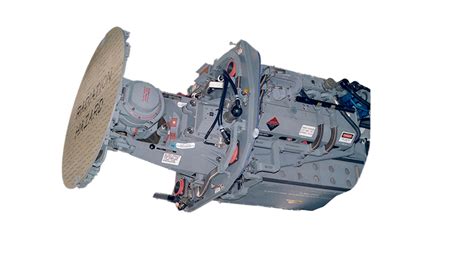
LANTIRN Pod System
The Low-Altitude Navigation and Targeting Infrared for Night (LANTIRN) system enhances the F-15E’s effectiveness in night operations and adverse weather conditions. Operated by the WSO, it includes:
- Infrared cameras for target acquisition
- Laser designators for precision strikes
- Terrain-following radar for low-altitude navigation
APG-70 Radar
The APG-70 radar is a versatile system that enables the pilot and WSO to simultaneously track air and ground targets. Key capabilities include:
- Air-to-air tracking: Detects multiple enemy aircraft at long range.
- Ground-target freeze mode: Allows the crew to lock onto a target while scanning for new threats.
Flight Controls and Engine Management
Digital Engine Control System
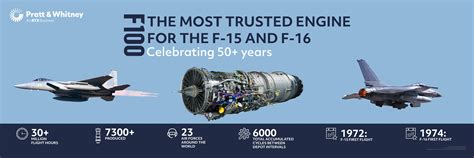
The F-15E is powered by twin Pratt & Whitney F100-PW-220/229 engines, featuring a digital electronic control system that ensures rapid throttle response:
- Idle to full afterburner in under 4 seconds
- Enhanced fuel efficiency and performance
- Redundant control systems for reliability
Terrain-Following Autopilot
Incorporated with the LANTIRN pod, this system allows the aircraft to fly at low altitudes autonomously, reducing pilot workload during high-risk missions.
Communication and Crew Coordination
Secure Voice and Data Links
The F-15E Strike Eagle features secure data-sharing systems, ensuring real-time coordination between:
- The pilot and WSO
- Other allied aircraft
- Ground control units
Redundant Mission-Critical Systems
To enhance survivability, the cockpit includes backup navigation, targeting, and communication systems, ensuring continued operation in electronic warfare (EW) environments.
Key Differences from Other F-15 Variants
The F-15E cockpit is distinct from earlier F-15 models, featuring:
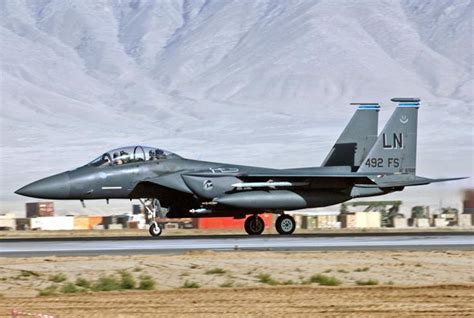
- A deeper fuselage to accommodate the WSO and additional avionics.
- Conformal Fuel Tanks (CFTs) for extended range missions.
- Dedicated LANTIRN and targeting pods for advanced strike capabilities.
FAQ: F-15E Strike Eagle Cockpit
1. What makes the F-15E cockpit unique compared to other fighter jets?
The F-15E cockpit is designed for two-person operation, integrating advanced avionics, a LANTIRN targeting system, and multi-role combat capabilities. Unlike single-seat fighters, the WSO can manage weapons and radar, allowing the pilot to focus on maneuvering and engagement.
2. How does the LANTIRN system improve the F-15E’s performance?
The LANTIRN pod system enables the F-15E to conduct low-altitude night strikes, navigate through terrain-following autopilot, and use laser-guided precision munitions. This significantly enhances all-weather strike capabilities.
3. What role does the Weapons Systems Officer (WSO) play in combat?
The WSO manages critical combat functions, including radar tracking, electronic warfare, and targeting systems. This allows the F-15E to engage multiple threats and coordinate complex strike missions with enhanced efficiency.
The F-15E Strike Eagle cockpit exemplifies cutting-edge military aviation technology, ensuring superior combat performance through advanced avionics, sensor integration, and enhanced crew coordination. This highly optimized environment allows for effective engagement across multiple mission profiles, reinforcing the F-15E’s status as a premier multirole fighter aircraft.