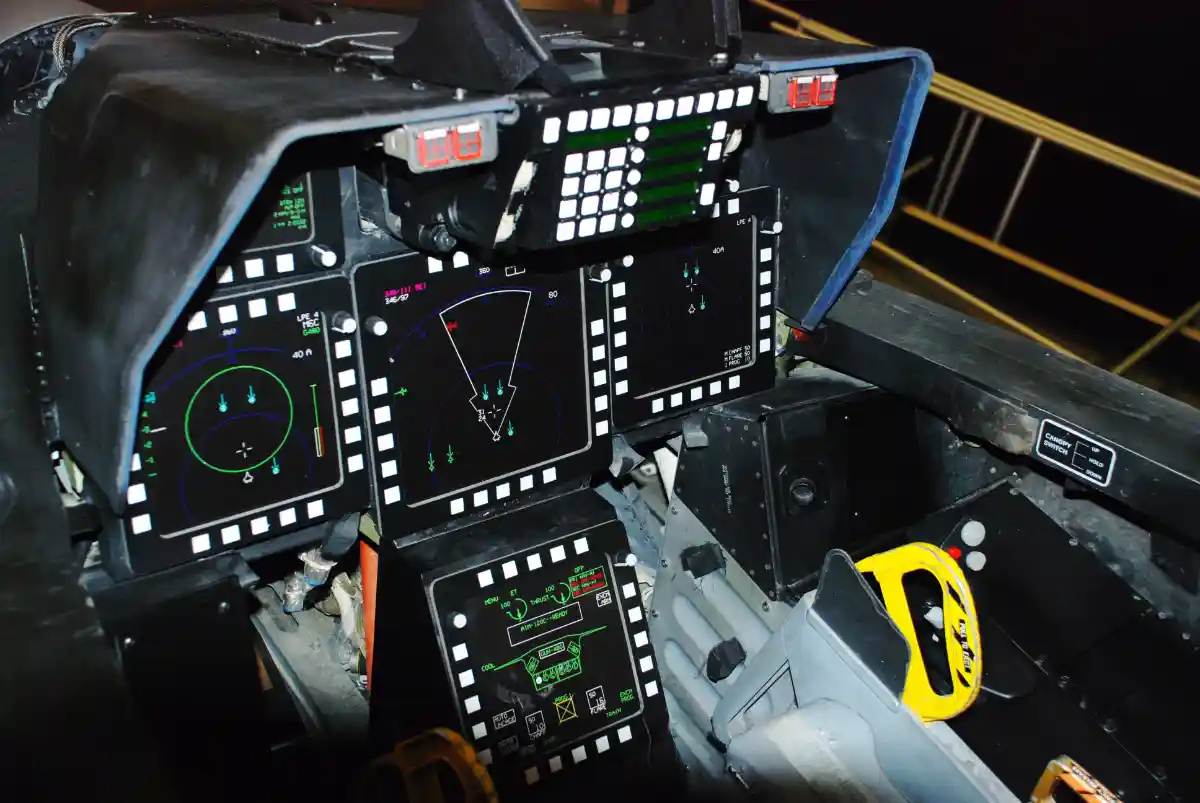
The F-22 Raptor, a pinnacle of fifth-generation fighter technology, features one of the most advanced cockpits ever designed for a tactical aircraft. The all-glass cockpit integrates state-of-the-art avionics, ensuring superior situational awareness and combat effectiveness. Designed to maximize pilot efficiency, the Raptor’s cockpit minimizes workload while enhancing mission success in both air superiority and ground attack roles.
All-Glass Cockpit: Revolutionizing Tactical Fighters
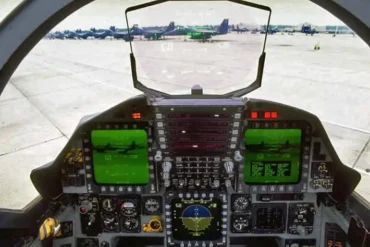
The F-22 Raptor introduced the first all-glass cockpit in a tactical fighter aircraft, replacing traditional analog dials and gauges with digital liquid crystal displays (LCDs). This technological leap mirrors advancements seen in commercial aviation, providing real-time data visualization and enhancing decision-making capabilities.
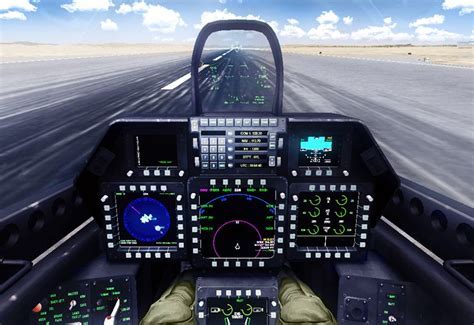
Six high-resolution LCD screens serve as the primary interface between the pilot and the aircraft. These displays present crucial mission data, such as threat detection, navigation, and weapons management. The centerpiece of this interface is an 8-inch by 8-inch (20.3×20.3 cm) LCD, offering a comprehensive tactical overview of the air and ground battlespace.
Heads-Up Display (HUD) for Tactical Awareness
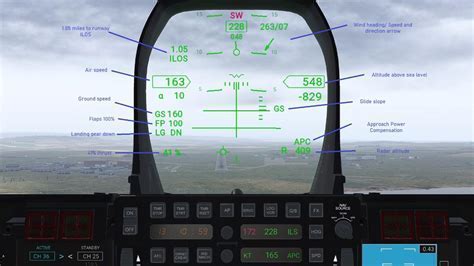
The HUD (Heads-Up Display) is a critical feature of the F-22 cockpit, projecting vital flight and combat information directly into the pilot’s line of sight. This system eliminates the need for pilots to glance down at their instruments, allowing for continuous focus on the aerial battlefield. The HUD provides:
- Target status
- Weapon readiness indicators
- Navigational cues
- Lock-on confirmations
Enemy aircraft appear as red triangles, friendly forces as green circles, and unknown entities as yellow squares. When a hostile aircraft is locked, its symbol becomes solid red, ensuring the pilot has immediate engagement confirmation.
Hands-On Throttle and Stick (HOTAS) for Ultimate Control
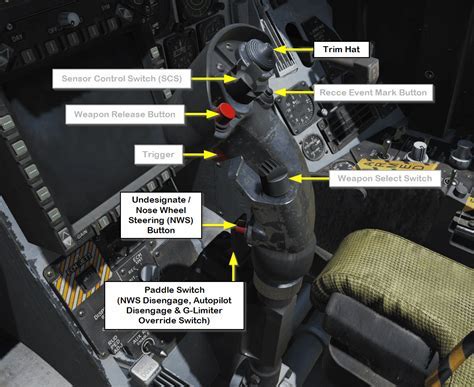
The HOTAS (Hands-On Throttle and Stick) system allows F-22 pilots to execute combat maneuvers, weapon selections, and avionics adjustments without removing their hands from the controls. This integration enhances situational awareness, reduces reaction time, and ensures seamless tactical execution in high-intensity dogfights.
- The throttle controls engine power and incorporates sensor management switches.
- The stick features buttons for weapon deployment, target designation, and flight mode selection.
Night Vision Compatibility and Enhanced Pilot Visibility
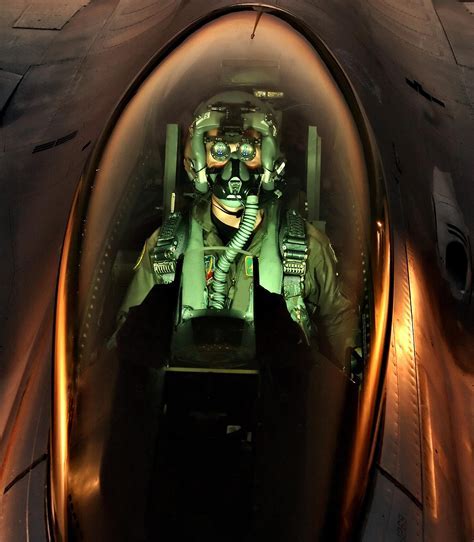
The F-22 cockpit is the first fighter cockpit fully compatible with night vision goggles (NVG). This capability ensures mission effectiveness in low-light and nighttime operations, providing pilots with an uncompromised field of view.
- The NVG-compatible HUD allows pilots to maintain critical data visibility.
- The instrument lighting is specifically designed to prevent glare and maintain contrast.
- The helmet-mounted cueing system integrates head tracking to enable more intuitive target acquisition.
Integrated Control Panel (ICP) for Rapid Mission Adjustments
At the center of the F-22’s instrument panel, the Integrated Control Panel (ICP) provides an intuitive interface for mission-critical adjustments. Pilots can quickly input commands for:
- Autopilot activation
- Radio communications
- Navigation settings
The ICP’s ergonomic design enables rapid adjustments in high-G combat environments, ensuring that pilots remain focused on their objectives while maintaining total aircraft control.
Secure Data Link and Battlefield Connectivity
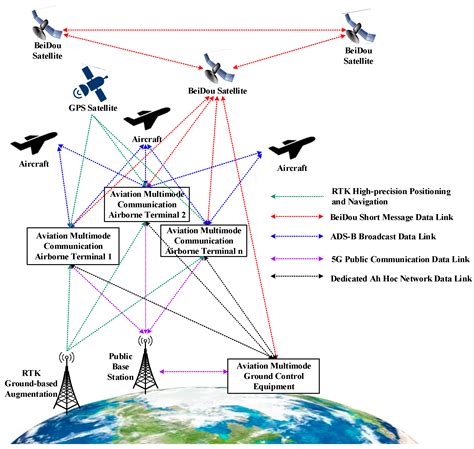
A key feature of the F-22 cockpit is its secure wireless data link, which enables seamless information sharing between aircraft. This allows multiple F-22 Raptors to coordinate tactics without radio communication, significantly reducing electronic signal detection by adversaries.
- Pilots can view their wingmen’s fuel and weapon status in real-time.
- The data link enables AWACS (Airborne Warning and Control System) integration, providing a comprehensive battlefield picture.
- Information from reconnaissance aircraft can be downloaded instantly for strategic planning.
Mission Adaptability and Sensor Fusion
The F-22 cockpit utilizes advanced sensor fusion, which combines data from multiple onboard and external sensors into a single, cohesive display. This integration allows pilots to assess threats with 98% accuracy, minimizing misidentification risks.
- Air threats, ground threats, and stores management are divided across three secondary LCDs.
- The system automatically prioritizes high-threat targets for efficient engagement.
- AI-driven decision-support tools assist pilots in dynamic combat scenarios.
Ergonomic Design for Pilot Comfort and Endurance
The F-22 cockpit’s ergonomic design is optimized for pilot endurance, a crucial factor in long-duration missions. Features include:
- Pressure-regulated oxygen supply for high-altitude performance.
- Adjustable seat positioning to accommodate various pilot body types.
- Minimalistic control layout to reduce cognitive overload and maximize focus.
Conclusion
The F-22 Raptor cockpit represents the pinnacle of modern fighter aircraft design, merging cutting-edge avionics, intuitive controls, and battlefield connectivity into a streamlined, high-performance interface. Its all-glass cockpit, HOTAS controls, HUD system, and secure data-sharing capabilities place it miles ahead of previous-generation fighter aircraft. By prioritizing pilot efficiency, mission adaptability, and survivability, the F-22 cockpit ensures absolute air dominance.
FAQ
How does the F-22 cockpit improve pilot situational awareness?
The F-22 cockpit enhances situational awareness through an advanced HUD, six LCD screens, and sensor fusion technology, providing real-time battle updates and threat prioritization.
What makes the F-22 cockpit different from older fighter jets?
Unlike older jets, the F-22 features an all-glass cockpit, HOTAS controls, night vision compatibility, and a secure data link, allowing for unmatched combat coordination and minimal pilot workload.
Can the F-22 cockpit be upgraded in the future?
Yes, the F-22 is continuously updated with new software enhancements, sensor improvements, and interface optimizations to maintain its cutting-edge capabilities in modern warfare.