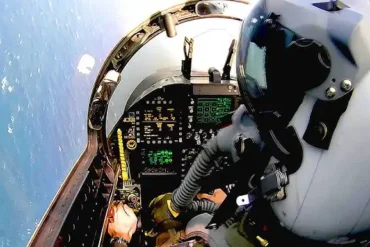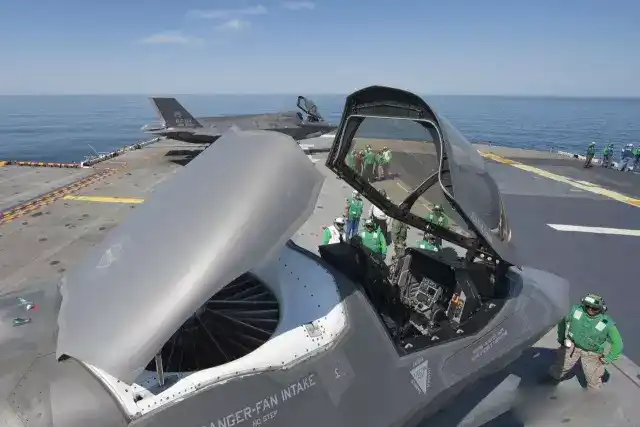
The F-35 Lightning II represents the pinnacle of fifth-generation fighter jet technology, featuring a cockpit that redefines the standards of pilot interface, situational awareness, and operational efficiency. Designed for seamless human-machine interaction, the F-35 cockpit integrates a glass cockpit, advanced helmet-mounted display, and sensor fusion technology, enabling pilots to execute missions with unprecedented effectiveness.
Panoramic Multifunction Display (MFDS): The Core of the Glass Cockpit
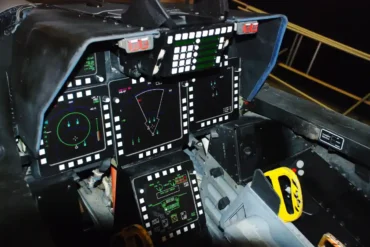
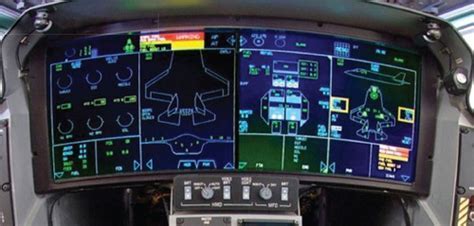
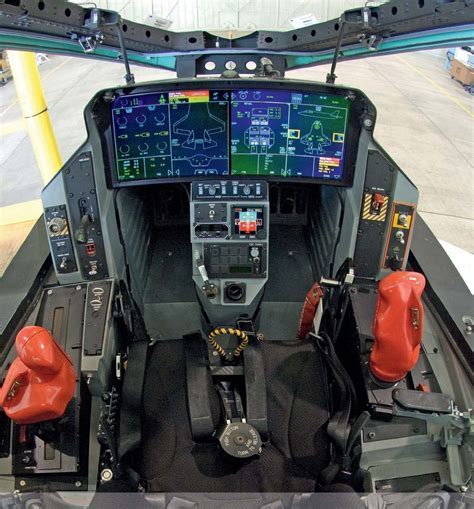
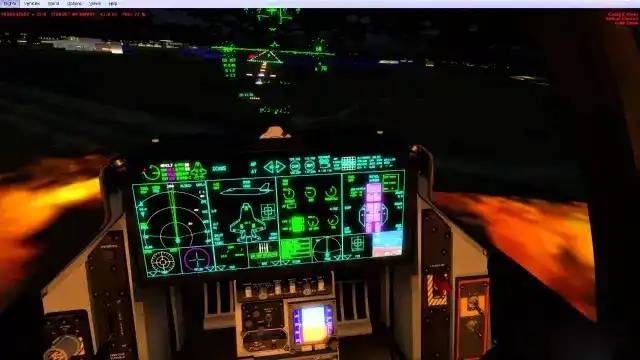
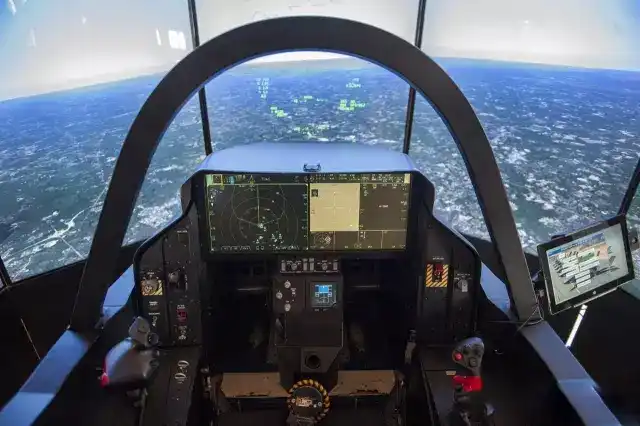
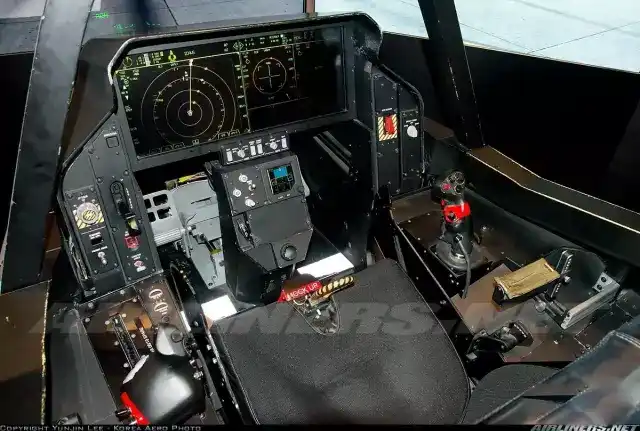
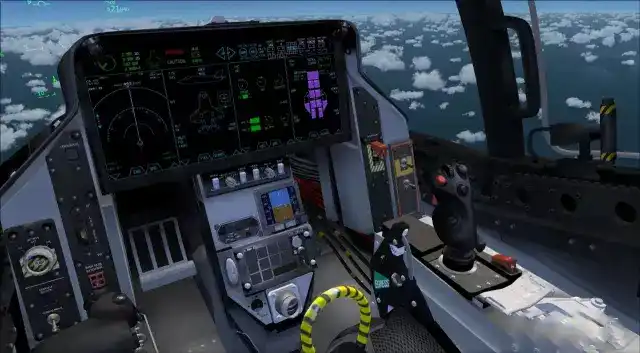
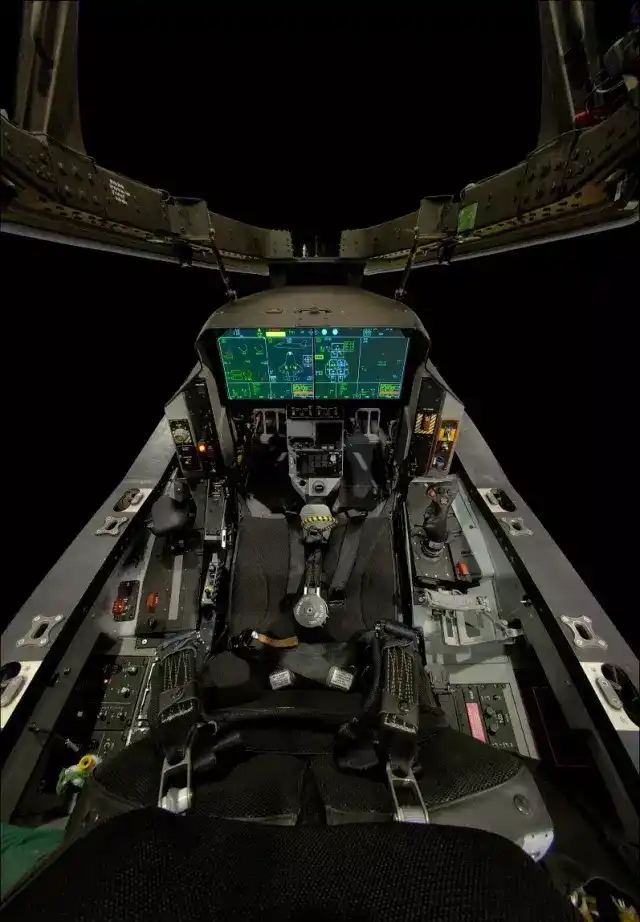
One of the most striking elements of the F-35 cockpit is its 20×8-inch panoramic touchscreen, formed by merging two 8×10-inch displays with a resolution of 1280×1024 pixels. This highly customizable interface allows pilots to configure real-time data, including radar feeds, weapon status, tactical maps, and fuel management.
Key Advantages:
- Integrated Information Management: Consolidates mission-critical data into a centralized interface, reducing the need for multiple mechanical dials.
- Intuitive Operation: Touchscreen functionality enhances user experience, allowing pilots to quickly modify display parameters.
Challenges:
- Lack of Tactile Feedback: Unlike physical switches, the touchscreen provides no resistance, leading to a 20% error rate during high-G maneuvers.
- Potential Screen Overload: Despite efficient information layout, excessive data on a single screen can sometimes clutter visibility.
Helmet-Mounted Display System (HMDS): Replacing Traditional HUD
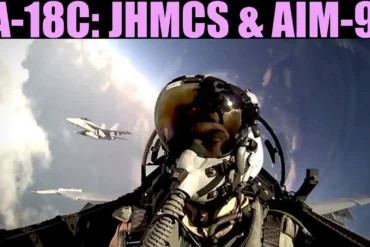
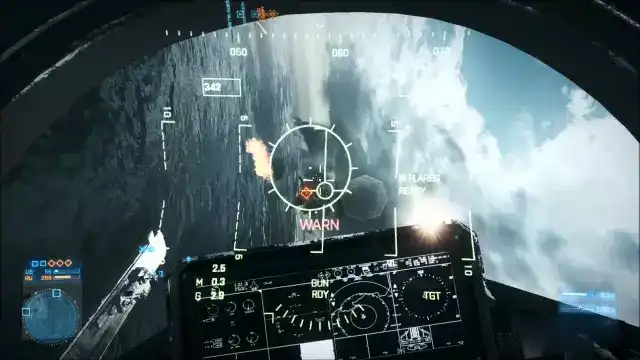
The F-35 cockpit does not include a conventional Heads-Up Display (HUD). Instead, it uses a $400,000 Helmet-Mounted Display System (HMDS) that projects critical flight and targeting data directly onto the pilot’s visor. This system integrates with the Electro-Optical Distributed Aperture System (EO-DAS), providing a 360-degree battlefield view, enabling pilots to “see through” the aircraft structure.
Key Features:
- Seamless Sensor Integration: Projects infrared and optical data from external sensors, enhancing combat awareness.
- Off-Boresight Targeting: Allows pilots to lock onto targets by simply moving their head.
Limitations:
- Visual Clarity Constraints: Due to visor limitations, information must be resized, potentially impacting readability.
- Helmet Weight Issues: Weighing 4-5 pounds (1.8-2.3 kg), extended use can cause pilot fatigue during long missions.
Human-Machine Interaction: Balancing Touch and Physical Controls
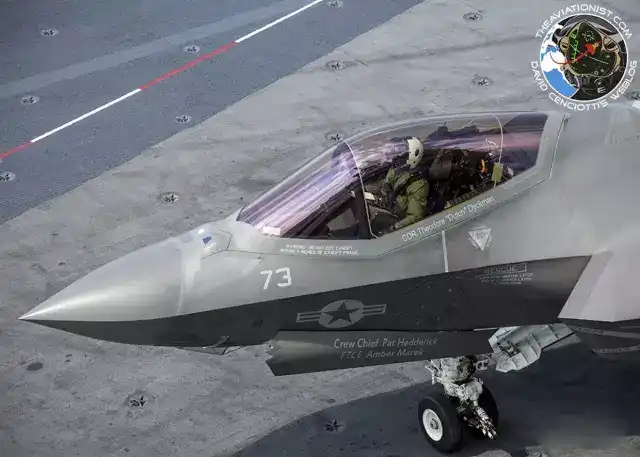
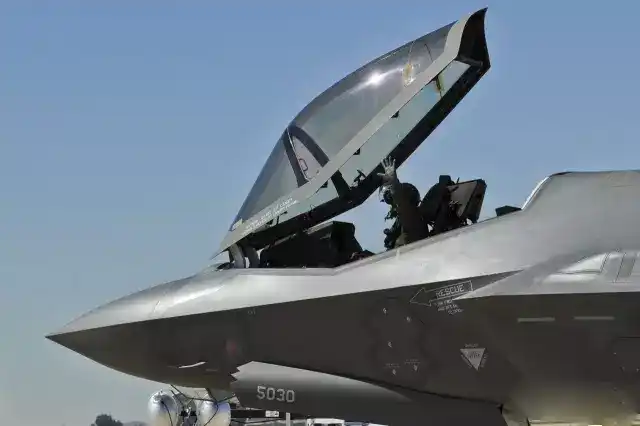
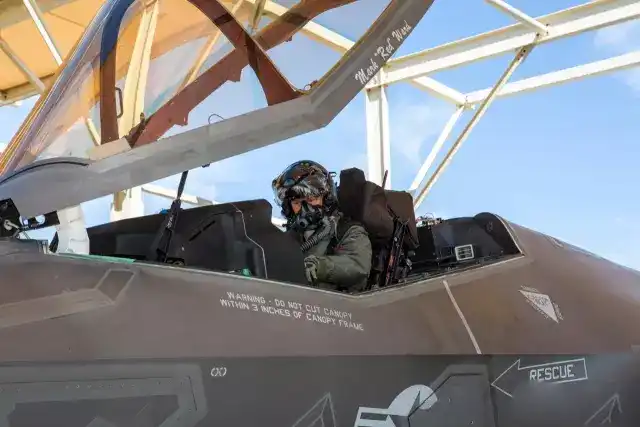
The F-35 cockpit maintains a balanced control layout, utilizing a combination of HOTAS (Hands On Throttle-And-Stick) controls, touchscreen functions, and limited physical switches.
Key Elements:
- Side-stick Controller: Inspired by the F-16, the right-hand side-stick integrates weapon and sensor control, ensuring ergonomic efficiency.
- Throttle Control: The left-hand throttle lever manages engine power and communication systems.
- Voice Recognition System: While equipped with DynaSpeak voice control, its real-world usage remains low due to inaccuracies under high-G conditions.
- Minimal Physical Switches: Essential functions like landing gear and emergency systems retain dedicated physical controls.
Sensor Fusion and Information Processing
A defining capability of the F-35 cockpit is its real-time sensor fusion, integrating data from multiple sources into a single operational picture. The cockpit utilizes:
- AN/APG-81 Active Electronically Scanned Array (AESA) radar: Provides long-range targeting and electronic warfare capabilities.
- AN/AAQ-37 Electro-Optical Distributed Aperture System (EO-DAS): Uses six infrared cameras to deliver a 360-degree real-time infrared feed.
- AN/AAQ-40 Electro-Optical Targeting System (EOTS): Enhances precision strike capabilities.
- Integrated Core Processor (ICP): Processes data at 40 billion operations per second, ensuring instantaneous decision-making support.
Pilot Feedback and Continuous Upgrades
Pilots who have operated the F-35 emphasize its unparalleled situational awareness but also highlight areas requiring improvement.
Positive Aspects:
- Superior Mission Execution: The integration of HMDS and MFDS significantly enhances air-to-air and air-to-ground engagement efficiency.
- Automation Reduces Cognitive Load: Sensor fusion minimizes the need for manual data interpretation.
Areas for Enhancement:
- Touchscreen Sensitivity: The touchscreen interface requires haptic feedback or improved software-based error correction.
- Helmet Optimization: Reducing HMDS weight and improving resolution would further refine performance.
- Voice Control Reliability: Enhancing speech recognition algorithms could make voice commands viable in combat scenarios.
Software-Defined Capabilities and Future Enhancements
Unlike previous generations of fighter jets, the F-35 relies heavily on software updates for capability expansion. The Block 4 software upgrade introduces:
- AI-assisted Decision Making: Enhances threat assessment and target prioritization.
- Upgraded Electronic Warfare Suite: Improves defensive countermeasures and jamming resistance.
- New Weapon Integrations: Supports advanced weaponry, including the hypersonic “Spearfish” missile.
Although software complexity has led to delays in implementation, ongoing refinements ensure that the F-35 remains the most advanced multirole fighter in service.
Conclusion
The F-35 cockpit represents a paradigm shift in fighter jet design, blending advanced sensor fusion, helmet-mounted displays, and glass cockpit interfaces. While certain aspects—such as touchscreen responsiveness and helmet weight—require refinement, continuous software upgrades promise to elevate its effectiveness further. As the aircraft evolves through iterative improvements, it remains the gold standard for modern air combat operations.
FAQ
1. Why does the F-35 not have a traditional HUD?
The F-35 replaces the conventional HUD with the Helmet-Mounted Display System (HMDS), which projects flight and targeting data directly onto the pilot’s visor, offering superior situational awareness and targeting flexibility.
2. What are the main drawbacks of the F-35 cockpit design?
Key concerns include the high error rate of touchscreen controls during maneuvers, helmet weight-induced fatigue, and limitations in voice command reliability. However, ongoing software and hardware upgrades aim to mitigate these issues.
3. How does the F-35 cockpit improve combat efficiency?
The integrated glass cockpit, real-time sensor fusion, and HMDS-based targeting system significantly enhance pilot awareness, decision-making speed, and mission effectiveness, making the F-35 one of the most advanced fighter jets in history.