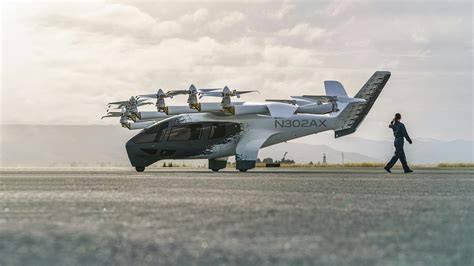
Boeing is reshaping its strategy in advanced aviation with a major transaction that will hand three technology businesses to Archer Aviation while preserving a substantial financial and technological interest in their future. Under an agreement announced on August 10, Archer Aviation will acquire Boeing subsidiaries Wisk Aero, Insitu and SkyGrid, while Boeing will receive shares representing approximately 19.75% of Archer’s Class A shares outstanding immediately before closing, along with warrants, board representation and continued access to Wisk’s autonomous-flight technology.
The transaction, which the companies expect to close by the end of 2026 subject to regulatory approvals, represents a significant change for both sides. For Boeing, it offers a way to reduce the capital and management burden associated with emerging aviation businesses while retaining exposure to technologies that could become increasingly important. For Archer, the deal transforms the company from an electric air-taxi developer into a much broader aviation and defense technology platform.
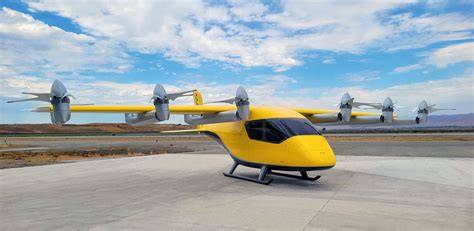
The three businesses bring capabilities that extend well beyond passenger eVTOL aircraft. Wisk has developed autonomous electric vertical-takeoff-and-landing aircraft for more than a decade, SkyGrid specializes in digital airspace management, and Insitu provides military unmanned aircraft and intelligence, surveillance and reconnaissance systems. Together, Boeing says the businesses have accumulated almost two million flight hours, creating a portfolio that reaches from aircraft development and autonomy to military operations and automated airspace infrastructure.
Boeing Gives Archer Three Advanced Aviation Businesses
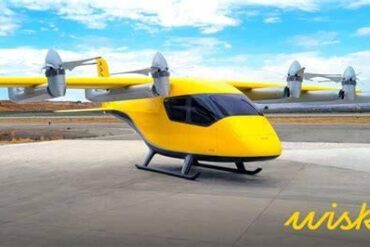
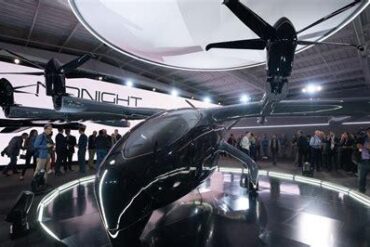
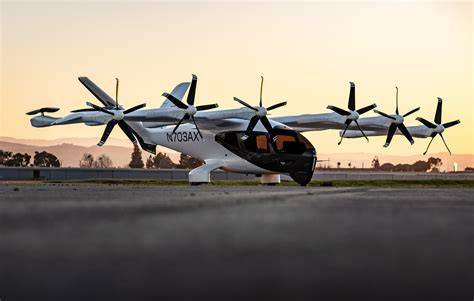
The centerpiece of the transaction is Wisk Aero, a company Boeing invested heavily in before ultimately becoming its sole owner. Wisk has spent 16 years developing autonomous eVTOL aircraft and has flown six generations of aircraft through more than 1,700 test flights. Its technology gives Archer access to autonomous flight systems that could eventually complement its piloted Midnight air taxi and support future generations of passenger aircraft.
SkyGrid adds another layer to the portfolio. Rather than building aircraft itself, the company focuses on the digital infrastructure required to manage increasingly automated aviation. Its aircraft-agnostic airspace and traffic-management technology could become important as conventional aircraft, drones, autonomous eVTOLs and other advanced air-mobility vehicles begin operating within increasingly crowded airspace.
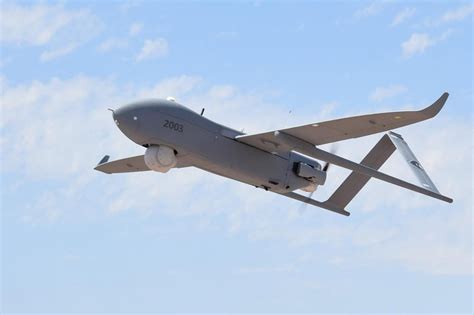
Insitu is the most commercially established asset in the transaction. The company develops unmanned aircraft and ISR systems for defense customers and has fielded more than 3,500 systems across 35 countries. Boeing says Insitu generates more than $200 million in annual revenue, making its contribution fundamentally different from the still-developing passenger air-taxi businesses.
That combination gives Archer a portfolio spanning autonomous eVTOL aircraft, military unmanned systems, airspace management and aviation software. It also provides a much broader base from which Archer can pursue commercial and defense opportunities while its passenger aircraft programs continue moving toward certification.
Boeing Receives Nearly 20% of Archer Aviation
Unlike a traditional acquisition funded primarily with cash, the transaction is structured around equity and future financial participation. According to Archer’s SEC filing, Boeing will receive new Class A shares equal to 19.75% of Archer’s Class A shares outstanding immediately before closing, subject to adjustments.
Boeing will also receive two warrants, each initially valued at approximately $100 million. One warrant carries an exercise price of $13 per share, while the other has an exercise price of $17.88. The shares issued to Boeing will be subject to a 12-month lockup, while restrictions on the warrants generally prevent Boeing from exercising them if doing so would increase its beneficial ownership above 19.9%, unless Boeing waives that limitation.
The arrangement gives Boeing meaningful exposure to Archer’s future growth without requiring Boeing to continue funding the three businesses directly at the same level. Boeing will also retain an important governance role. Provided it maintains a specified minimum ownership position, the aerospace giant will have the right to nominate one director to Archer’s board.
The companies will additionally cross-license intellectual property. Crucially for Boeing, the agreement allows it to retain access to Wisk’s autonomous-flight technology for current and future commercial and defense aircraft. That provision means Boeing is not completely separating itself from the technology it has spent years developing.
Boeing has also agreed to purchase up to another $55 million of Archer shares if Archer conducts a qualifying equity offering of at least $400 million. The provision could provide Archer with additional financial support as it expands its newly enlarged portfolio.
Why Boeing Is Selling Wisk, SkyGrid and Insitu
The transaction closely aligns with Boeing CEO Kelly Ortberg’s strategy of simplifying the company and concentrating resources on core operations. Ortberg has argued that Boeing is better positioned when it focuses on doing fewer things well instead of spreading capital and management attention across too many businesses.
That strategy has already resulted in major portfolio changes. Boeing agreed to sell Jeppesen, ForeFlight, AerData and OzRunways to Thoma Bravo for $10.55 billion, with the transaction designed to strengthen Boeing’s balance sheet while allowing the company to focus more heavily on its core commercial and defense activities.
Wisk presented a more complicated strategic question. Boeing invested $450 million in Wisk in January 2022 and became its sole owner in 2023. Yet the commercial autonomous eVTOL market remains unproven. Developers must overcome aircraft certification, manufacturing scale, operational infrastructure and economic viability before autonomous passenger flights can become a meaningful business.
Boeing therefore appears to have found a middle ground. Rather than maintaining full ownership and carrying the long-term development burden itself, it can transfer operational responsibility to Archer while receiving a major equity position and retaining access to the underlying technology.
The sale of Insitu is particularly revealing because it is not simply an experimental asset consuming cash. The profitable defense company has an established customer base and substantial annual revenue. Boeing acquired Insitu in 2008, when the company was already generating significant commercial momentum. Reports in 2025 indicated that Boeing was considering selling the business as part of its broader portfolio review.
Giving up Insitu suggests Boeing’s restructuring is about strategic focus rather than simply eliminating loss-making programs. The company is willing to part with a profitable operation if doing so produces a cleaner portfolio and allows management to concentrate resources on the aircraft and defense businesses it considers most important.
Archer Aviation Becomes a Broader Aerospace Company
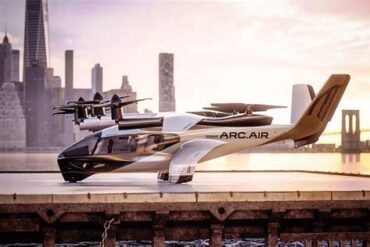
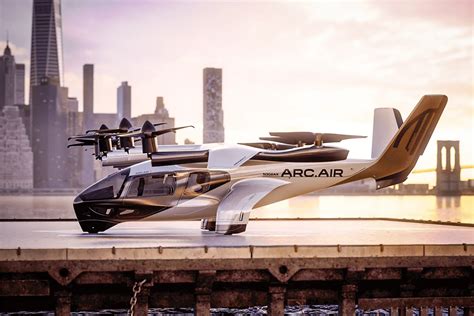
For Archer, the transaction could be even more transformative. The company has been closely associated with its Midnight electric air taxi, but the acquisition immediately expands its reach into defense, autonomy, artificial intelligence and airspace management.
The financial difference is significant. Archer generated only $1.6 million in revenue during the first quarter of 2026, while reporting an adjusted EBITDA loss of $172.5 million. The company also expected another adjusted EBITDA loss of approximately $170 million to $200 million in the second quarter.
Insitu changes that equation by giving Archer access to an established defense business producing more than $200 million in annual revenue. That does not eliminate Archer’s substantial investment requirements, but it provides a commercial operation with real customers, deployed products and established defense-market relationships while the Midnight program continues through certification and commercialization.
Archer CEO and founder Adam Goldstein described the transaction as a major step toward becoming a diversified aerospace and defense platform. The strategy effectively moves Archer beyond the traditional model of an eVTOL startup waiting for passenger services to generate revenue.
The company now has multiple potential growth engines. Midnight represents piloted electric air taxis, Wisk contributes autonomous eVTOL technology, Insitu provides military unmanned aircraft, SkyGrid brings automated airspace management, and Archer’s ZEE platform is designed to provide an artificial-intelligence layer connecting these capabilities.
Defense Could Become Archer’s Near-Term Growth Engine
The defense opportunity may ultimately prove just as important as the passenger air-taxi business. Archer was already working with Anduril on a hybrid-electric VTOL aircraft for the U.S. military, demonstrating that its strategy had begun expanding beyond commercial passenger aviation.
Insitu strengthens that effort immediately. Unlike a new defense program that must establish customers, manufacturing capability and operational credibility from scratch, Insitu brings decades of experience, deployed systems and military relationships. Its history in ISR aircraft gives Archer an established entry point into a defense market where demand for unmanned systems continues to expand.
The combination could also allow Archer to connect its electric propulsion, autonomous-flight and artificial-intelligence technologies with established military platforms. That creates opportunities across aircraft development, autonomous operations and battlefield sensing rather than limiting the company to passenger transportation.
For Boeing, this provides another strategic advantage. The company maintains access to technologies that could have applications in future commercial and defense aircraft without having to carry the entire development effort inside its own organization.
A Historic Reversal Between Wisk and Archer
The deal also carries unusual corporate history. Wisk and Archer were once involved in a bitter legal dispute. In 2021, Wisk sued Archer over alleged theft of trade secrets, while Archer denied the allegations and countersued.
The dispute was resolved in August 2023, when Boeing invested in Archer and Wisk became the intended exclusive provider of autonomy technology for future autonomous Archer variants. Nearly three years later, the relationship has evolved dramatically. Archer is no longer simply partnering with Wisk; it is set to acquire the company itself.
That reversal illustrates how quickly the advanced-air-mobility industry is consolidating around technology, capital and certification expertise. Companies that once competed aggressively can become partners when the economics of developing a new aircraft category demand greater scale.
The Deal Creates Opportunity—and a Major Execution Challenge
The transaction is not without risk for Archer. The company will inherit responsibility for integrating three very different organizations while continuing to develop Midnight, expand defense programs, advance autonomous aircraft and invest in artificial intelligence and manufacturing.
Midnight has yet to receive FAA type certification for commercial passenger service, and autonomous passenger operations introduce another layer of regulatory complexity. Wisk’s technology is promising, but turning years of testing into a certified and economically viable commercial operation remains a substantial challenge.
Archer will also need significant capital. The transaction itself contemplates a future equity offering of at least $400 million under qualifying conditions, with Boeing potentially purchasing another $55 million of shares. That provision underscores the scale of investment required to develop the combined portfolio.
For Boeing, however, the structure offers a different risk profile. The company reduces direct exposure to the costs of developing emerging aviation businesses while maintaining nearly one-fifth ownership of Archer and preserving access to autonomous technology. If Archer succeeds, Boeing participates in that upside. If the market develops more slowly, Boeing has substantially reduced its direct financial burden.
Boeing and Archer Are Betting on Different Paths to Aviation’s Future
The agreement effectively creates two complementary strategies. Boeing is becoming more focused, while Archer is becoming more diversified. Boeing wants to concentrate on its core commercial and defense businesses but does not want to abandon technologies that could shape future aircraft. Archer, by contrast, is using the transaction to build a much larger platform around electric propulsion, autonomy, defense and aviation intelligence.
That makes the nearly 20% Boeing stake more than a financial investment. It creates a continuing relationship between one of the world’s largest aerospace manufacturers and an emerging company attempting to build a new generation of aviation technology.
The success of the deal will ultimately depend on execution. Archer must integrate three businesses, generate meaningful revenue, control cash consumption and advance multiple aircraft programs toward certification and production. Boeing must demonstrate that its leaner portfolio can deliver stronger performance while still capturing the value of technologies it has developed over many years.
If those pieces come together, the transaction could become one of the most consequential restructurings in the advanced-air-mobility sector. Boeing gets a cleaner balance sheet and continued technological exposure, while Archer gains autonomous aircraft, military drones, airspace infrastructure and a profitable defense business in one stroke. The result is no longer simply an air-taxi startup backed by Boeing. It is the foundation of a much broader aerospace technology company.