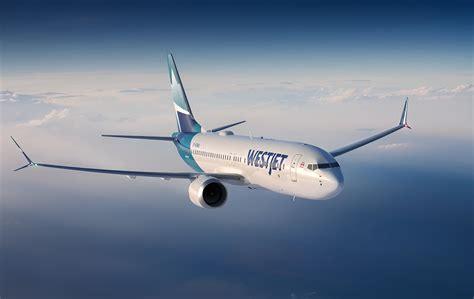
In a decisive move poised to reshape the competitive dynamics of North American and transpacific aviation, Delta Air Lines and Korean Air have announced a joint equity acquisition of a 25% minority stake in Canadian carrier WestJet, amounting to US$550 million. This strategic maneuver will further integrate the operational and commercial ties between three key airlines across the United States, Canada, and Asia, while reinforcing WestJet’s transformation into a globally networked carrier.
The investment, split between the two airlines, will see Delta Air Lines contribute US$330 million for a 15% ownership stake, while Korean Air will invest US$220 million for a 10% share in WestJet. The transaction builds on longstanding code-sharing, alliance-level cooperation, and strategic planning among these carriers. This fresh capital injection also provides WestJet, still majority-owned by Onex Partners, the financial and strategic latitude to pursue expanded international ambitions.
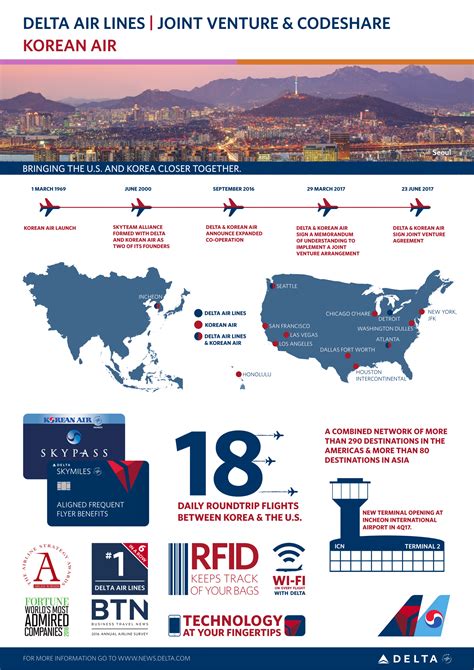
Deepening Transcontinental Ties Between Strategic Partners
The timing and scope of this investment are significant. With global air travel returning to pre-pandemic levels, airlines are now aggressively positioning themselves to seize market share in intercontinental routes. For Delta, the transaction is a continuation of its long-standing practice of acquiring minority stakes in partner airlines to align interests, optimize networks, and reduce friction in alliance coordination.
Delta’s investment strategy is already visible in its ownership positions in carriers such as Air France-KLM, Virgin Atlantic, Aeroméxico, and LATAM. The WestJet stake, though smaller in proportion, carries particular strategic weight because of Canada’s growing international air travel demand and its positioning between Europe, Asia, and the U.S. domestic market.
Korean Air, meanwhile, views the move as a way to solidify its presence in North America, particularly Western Canada, where growing demand for transpacific connectivity is seen as a lucrative opportunity. By formalizing its financial interest in WestJet, Korean Air strengthens its network synergy and facilitates deeper coordination with a partner that shares an increasingly aligned vision of long-haul network growth.
The Air France-KLM Component: A Secondary Transfer in the Works
In an intriguing secondary transaction, Delta Air Lines has also announced its intent to transfer a 2.3% portion of its stake to Air France-KLM, its key European joint venture partner. This future deal, valued at US$50 million, would further knit together the Delta-Air France-KLM-WestJet relationship matrix, particularly along the busy transatlantic corridors. The completion of this secondary sale remains contingent upon regulatory approvals and Air France-KLM’s final consent.
Through this intricate web of equity stakes and joint ventures, the partners are constructing a seamless multi-hub network—one that stretches from Seoul and Amsterdam to Calgary and Atlanta. The strategy is to minimize the reliance on individual hubs and instead provide customers with greater access, more choice, and a consistently branded travel experience across continents.
WestJet’s Evolution: From Domestic Carrier to Global Player
Founded in 1996 as a low-cost, domestic-focused airline, WestJet has undergone a methodical transformation under the stewardship of Onex Partners, which acquired full ownership of the airline in 2019. Today, WestJet is a Calgary-based full-service carrier with ambitions far beyond its original LCC model. It has made targeted investments in wide-body aircraft and long-haul services, including routes to Europe and Asia.
This evolution has not gone unnoticed. The airline’s CEO, Alexis von Hoensbroech, framed the Delta and Korean Air deals as an endorsement of WestJet’s strategic direction. “These investments, and the enhanced partnerships they bring, are an endorsement of our people and WestJet’s differentiated performance through an extraordinary period for aviation,” he stated.
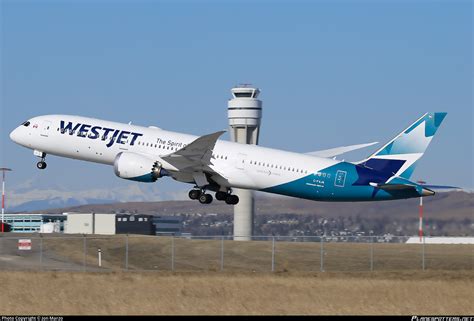
With fresh capital and the backing of two of the most globally connected carriers, WestJet will now have greater leeway to expand its transatlantic and transpacific offerings, while improving competitiveness in Canada’s domestic and cross-border markets. These investments also grant WestJet access to Delta and Korean Air’s extensive loyalty networks, technology platforms, and operational expertise.
Implications for North American Aviation Competition
This three-way alignment has deep implications for the broader North American airline landscape. In the context of U.S.-Canada aviation, Delta and WestJet had already enjoyed a close relationship built on codesharing and schedule harmonization. However, this move formalizes a deeper capital alignment that will enable more agile capacity deployment, joint route planning, and coordinated fare structures.
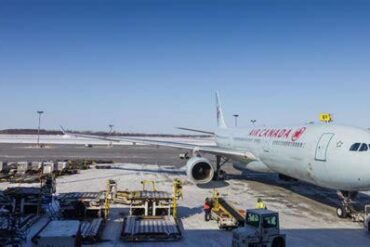
From a regulatory perspective, the move is unlikely to raise antitrust concerns, given that WestJet’s domestic Canadian footprint remains largely distinct from Delta’s U.S.-centric network. However, their transborder capacity could now be optimized in ways that pose renewed competition to Air Canada, particularly on high-yield routes linking Toronto, Vancouver, Calgary, and major U.S. hubs.
For Korean Air, the benefits lie in increasing its foothold in Western Canada without launching new standalone operations. Through WestJet, Korean can access key Canadian cities and streamline feeder traffic from multiple provinces into its Seoul Incheon hub, from where it serves nearly every major city in East and Southeast Asia.
A Symbiotic Model: How Minority Stakes Drive Alliance Power
Both Delta and Korean Air have championed the minority equity stake model as a method of tightening cooperation without the complexities of full mergers or acquisitions. This approach permits greater operational alignment, from joint scheduling and marketing to lounge access and frequent flyer reciprocity, all while preserving local brand identities and regulatory autonomy.
WestJet now joins a club of carriers in which Delta and its partners have invested with a clear objective: to create a web of mutually beneficial airline partnerships that offer the breadth of a global alliance with the intimacy and agility of bespoke joint ventures.
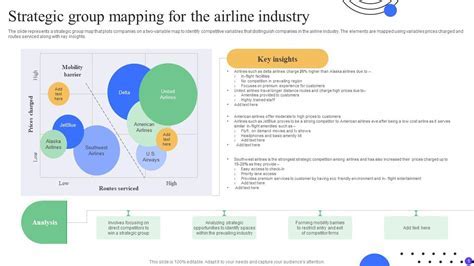
The result is a hybrid alliance model—neither as rigid as Star Alliance nor as brand-unified as Emirates’ partnerships—but one that leverages joint ventures, minority stakes, and digital integration to deliver near-seamless customer experiences. WestJet’s inclusion into this ecosystem gives Delta and Korean Air another valuable spoke in their global wheel.
Financial Dimensions and Return on Investment Strategy
From a financial standpoint, the investment signals strong confidence in WestJet’s earnings potential post-pandemic. While Onex Partners retains majority control, the influx of US$550 million provides critical liquidity and financial flexibility as the airline expands its long-haul network and enhances fleet renewal programs.
Delta, in particular, is known for its strategically disciplined capital allocation. The airline has historically secured board representation and operational influence commensurate with its investment scale, and it is expected that similar governance provisions will accompany this deal. Korean Air, too, stands to benefit from downstream revenue streams via shared flights, cargo alignment, and joint commercial planning.
Looking Ahead: A New Triangular Axis in Aviation
With these investments, a new axis is emerging in international aviation—one that connects the economic engines of the United States, South Korea, and Canada. Travelers will benefit from smoother connections, reciprocal loyalty benefits, expanded codeshare access, and consolidated airport operations.
While regulatory approvals and final documentation remain ongoing, the strategic intent is unambiguous: Delta, Korean Air, and WestJet are aligning to build a transcontinental powerhouse capable of challenging incumbents and delivering a globally integrated, customer-first experience.
This is not merely a capital injection—it is a carefully calibrated, multi-dimensional strategy to rewrite the rules of modern airline partnerships. And as the ink dries on these agreements, one thing is certain: the global aviation map just got more interconnected than ever.