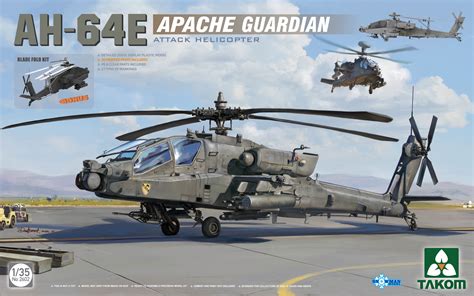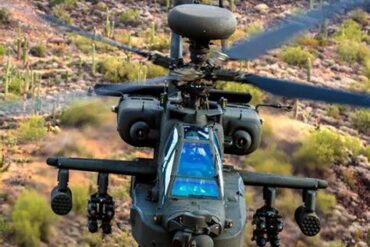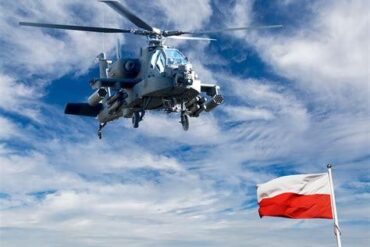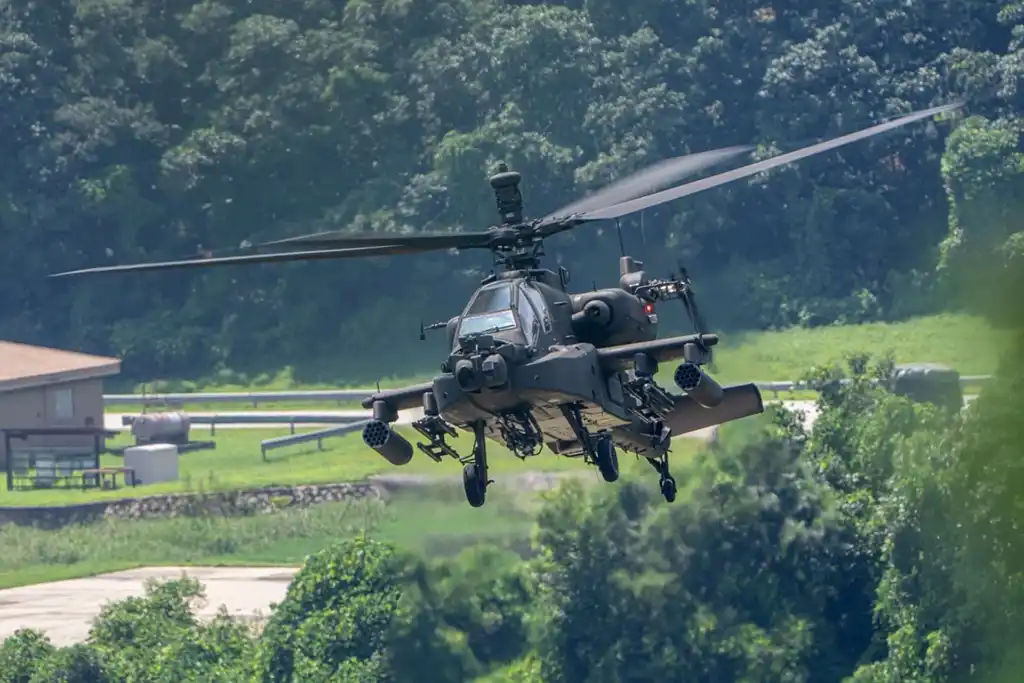
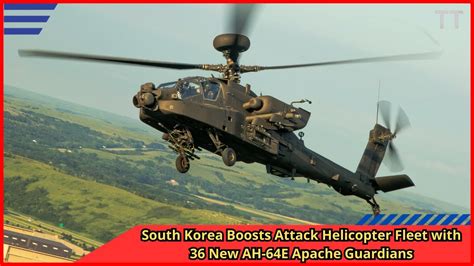
South Korea is preparing to make a substantial leap in its battlefield capabilities with a planned acquisition of 36 additional AH-64E Apache Guardian attack helicopters from the United States. The move, disclosed by Yonhap News Agency on July 6, 2025, marks a pivotal step in Seoul’s commitment to bolster its rotary-wing firepower in response to the growing volatility across the Korean Peninsula.
The Republic of Korea Army (ROKA) already operates 36 AH-64Es, which were delivered between 2016 and 2017. This upcoming purchase will effectively double the number of advanced Apaches in its fleet, signaling a decisive shift toward streamlining combat effectiveness and retiring outdated platforms. Currently, South Korea’s attack helicopter inventory includes not only the Apaches but also 55 aging AH-1F Cobras, which are increasingly seen as obsolete and vulnerable in today’s high-threat environments.
Strategic Rationale Behind the Expansion
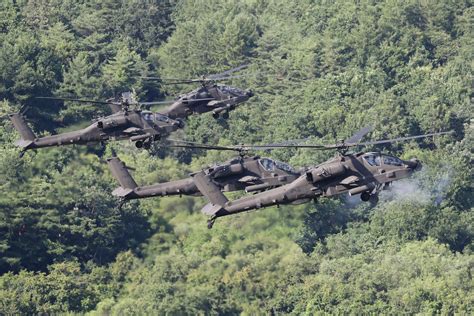
This acquisition is not just a numerical expansion; it reflects a broader military modernization initiative designed to counteract North Korea’s evolving military posture, including the deployment of long-range artillery, mobile armored formations, and asymmetric threats such as UAVs and infiltration tactics. Given the persistent state of heightened tension on the Korean Peninsula, the ability to deploy rapid-response, precision-strike capabilities has become a cornerstone of ROKA’s evolving doctrine.
In this context, the AH-64E Apache Guardian stands out as a force multiplier. Equipped with cutting-edge sensors, network-enabled communications, and lethal firepower, the helicopter enables South Korean forces to neutralize enemy assets swiftly, conduct close air support missions, and seamlessly integrate into joint combat operations with allied forces, particularly the United States.
Technical Superiority of the AH-64E
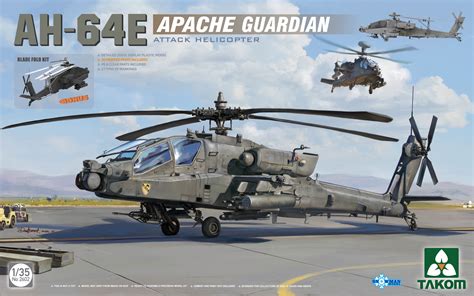
The AH-64E is the most advanced variant of the Apache lineage, built specifically for the high-intensity warfare of the 21st century. It incorporates several vital upgrades that make it vastly superior to older models:
- T700-GE-701D engines providing increased lift and performance
- Composite main rotor blades for better agility and resilience
- Reinforced airframe to withstand enemy fire and crash impacts
- AN/APG-78 Longbow fire control radar, enabling target detection beyond visual range
- Multi-mode targeting system, offering precision even in adverse weather or battlefield obscuration
- Satellite and data link communication systems for real-time tactical updates
These capabilities allow the AH-64E to detect, prioritize, and engage targets with lethal accuracy, all while operating in networked coordination with drones, fixed-wing aircraft, and ground forces.
Replacing the Aging Cobra Fleet
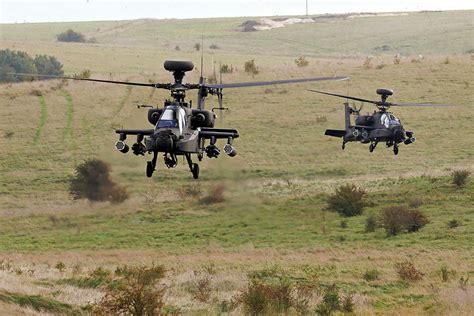
South Korea’s legacy fleet of AH-1F Cobra helicopters, although once formidable, is no longer suited for the demands of modern warfare. Their analog cockpits, dated avionics, and limited survivability render them increasingly inadequate in a theater that could rapidly escalate into full-spectrum, multi-domain conflict. The complete replacement of the Cobras with new Apaches will eliminate logistical redundancies, simplify training, and standardize combat readiness across attack squadrons.
The Cobras’ continued use despite their limitations highlights the urgent need for modernization. Their retirement will not only streamline the ROKA’s rotary-wing force structure but also allow for more focused investment in high-performance systems like the AH-64E.
Interoperability and Joint Combat Operations
In today’s warfare, interoperability is paramount, especially on the Korean Peninsula where U.S. and South Korean forces are deeply integrated. The AH-64E’s advanced digital backbone allows it to operate within the command and control frameworks of both the Republic of Korea Armed Forces and the United States Indo-Pacific Command. This includes support for:
- Data-sharing in real time via Link 16 and satellite comms
- Joint air-ground task force integration
- Cooperative targeting with UAVs and artillery
- Networked battlefield management systems
These features ensure that the Apaches are not just battlefield assets, but critical nodes in an interconnected, joint-force strike network that enhances both tactical response and strategic deterrence.
Strategic Timing and Foreign Military Sales
The acquisition of the additional 36 AH-64Es has already been cleared under the U.S. Foreign Military Sales (FMS) program, ensuring that both governments are aligned in reinforcing South Korea’s defense architecture. Although exact delivery timelines and financial terms have yet to be released, defense analysts anticipate a multi-year rollout that aligns with broader transformation efforts across the ROKA.
Timing-wise, this procurement is especially crucial. North Korea has ramped up its missile tests, showcased solid-fuel ICBM capabilities, and continues to develop special forces and tunneling operations designed to strike at critical South Korean and allied infrastructure. In such a volatile context, the Apaches offer rapid deployment, deep strike, and surgical fire support, which are essential for counterbattery operations, defense of critical points, and offensive maneuver warfare.
Deterrence Through Technological Edge
The enduring logic of deterrence in Northeast Asia is not just about troop numbers or armor brigades; it’s about maintaining qualitative superiority in the tools of war. The Apache’s blend of sensor fusion, stealth-like battlefield survivability, and fire-and-forget munitions ensures that any potential adversary—most notably North Korea—must factor in significant risk when contemplating aggressive action.
The upgraded AH-64E is capable of carrying:
- AGM-114 Hellfire missiles (laser-guided or radar-guided variants)
- Hydra 70 rockets
- Stinger or AIM-92 air-to-air missiles
- 30mm chain gun with 1,200 rounds
These armaments, when combined with the Apache’s target acquisition designation system (TADS) and pilot night vision sensor (PNVS), give it the capacity to strike first, strike fast, and strike with precision.
Outlook for the Korean Peninsula
As geopolitical instability continues to simmer across East Asia, the Republic of Korea is taking proactive steps to ensure its sovereignty and operational dominance in any potential conflict. This helicopter acquisition complements other modernization efforts, including:
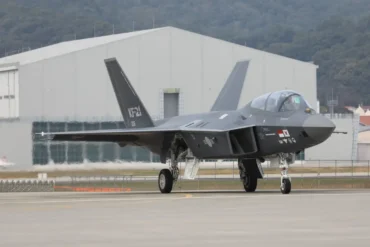
- Deployment of KF-21 Boramae stealth fighters
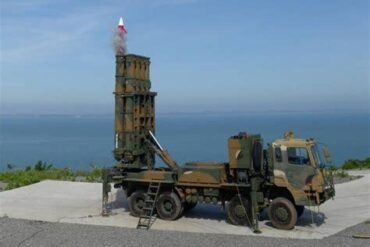
- Expansion of South Korean missile defense systems
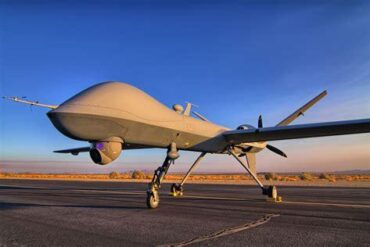
- Integration of drone reconnaissance and autonomous ground units
- Joint training initiatives with U.S. Pacific allies
Together, these developments form a multi-layered, technologically advanced defense matrix capable of withstanding and repelling high-intensity threats.
Conclusion: A Strategic Leap, Not Just a Procurement
South Korea’s plan to purchase 36 additional AH-64E Apache Guardians is more than a procurement decision—it’s a strategic recalibration. It speaks to Seoul’s recognition that airborne precision strike capability will define the next generation of warfare, particularly in asymmetric, urbanized, and electronically contested environments like those expected in a potential Korean conflict.
With this move, South Korea is not only enhancing its combat readiness but also sending a clear message to adversaries: the Republic of Korea is fully committed to technological superiority, joint force integration, and the uncompromising defense of its national security interests.