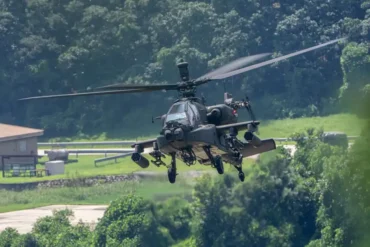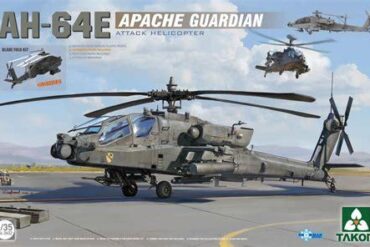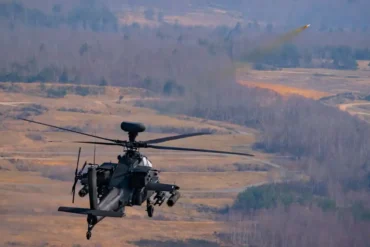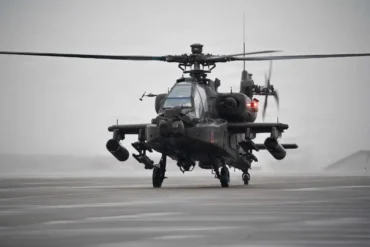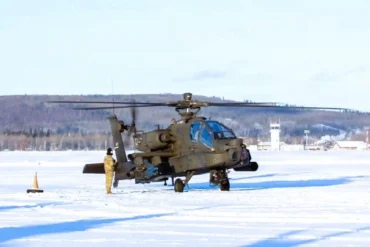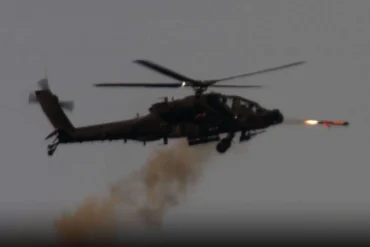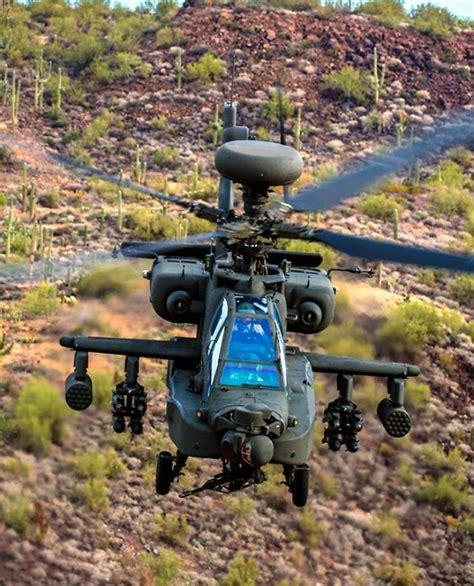
The Apache AH-64E, once regarded as the pinnacle of manned attack helicopter technology, is now at the center of a strategic divergence between two prominent U.S. allies. India is set to induct a fresh batch of these heavily armed helicopters into its military arsenal, while South Korea, with equal resolve, is preparing to phase out the very same platform in favor of unmanned and indigenous alternatives. This split lays bare not just a technological shift, but also an evolving military doctrine shaped by the brutal realities of modern warfare.
India’s decision to procure six Apache AH-64E Guardian helicopters for the Indian Army was formalized in 2020, amounting to a $600 million deal with the United States. Despite multiple delivery delays caused by global supply chain disruptions, the first three choppers are now slated to arrive by mid-July 2025, with the remainder scheduled for November. These aircraft will be deployed to the Army’s newly formed Apache squadron in Jodhpur, which became operational in March 2024.
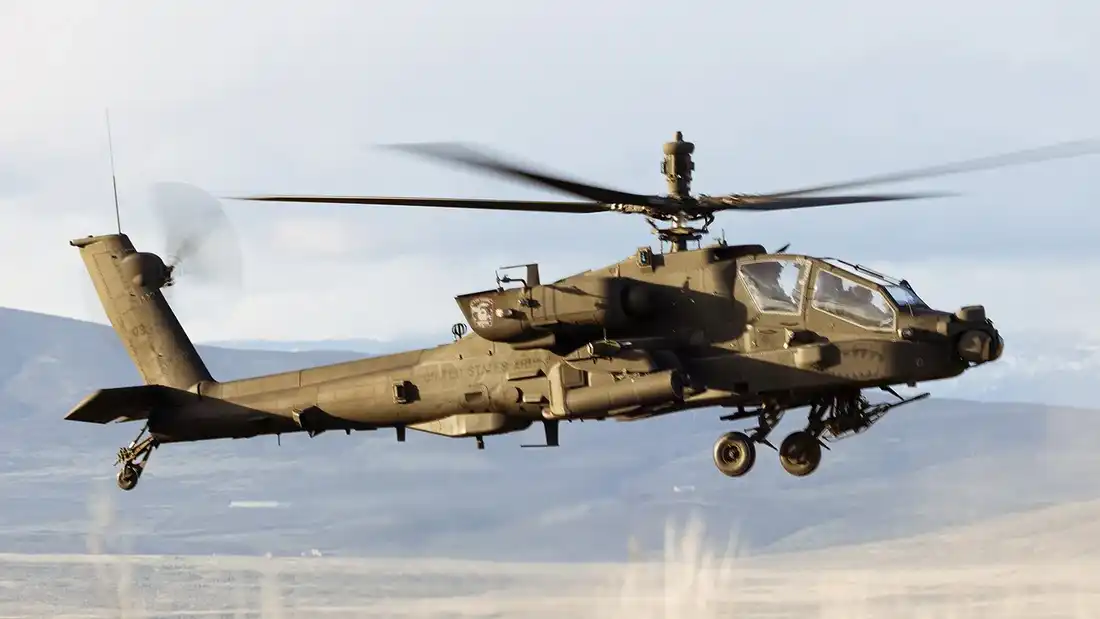
The announcement of this delivery was not without political weight. It followed a direct conversation between Indian Defence Minister Rajnath Singh and U.S. Defense Secretary Lloyd Austin, reflecting not only military cooperation but a deepening strategic alliance. However, even as India prepares to receive its Apaches, global scrutiny over their battlefield relevance is mounting.
South Korea’s Retreat From the Apache
In a surprising turn of policy, South Korea, long considered a steadfast supporter of American military technology, has chosen to reevaluate its planned acquisition of 36 additional Apache helicopters. According to a major Korean daily, the Republic of Korea’s Ministry of National Defense, in concert with the Army and Defense Acquisition Program Administration, has initiated a comprehensive review of the AH-64E procurement.
The decision was spurred by alarming battlefield data emerging from the Russia-Ukraine conflict, where manned helicopters have suffered substantial losses to mobile air defense systems such as MANPADS and SHORADs. The vulnerability of low-flying helicopters—even heavily armored ones like the Apache—has become apparent in this high-threat environment. These developments have forced Seoul to reassess its reliance on traditional attack platforms.
Instead, South Korea is bolstering its indigenous Light Armed Helicopter (LAH) initiative and investing in unmanned aerial systems (UAS) that offer superior survivability, cost-efficiency, and operational flexibility. The pivot suggests a growing belief within Korean defense circles that the future of battlefield dominance lies in robotics and AI-driven warfare, not legacy platforms from the Cold War era.
The Changing Nature of the Modern Battlefield
At the core of this debate is the shifting character of warfare. Recent engagements, particularly in Eastern Europe, have demonstrated that the modern battlefield is increasingly shaped by drones, loitering munitions, and autonomous strike platforms. In this new environment, the Apache’s advantages—sensor fusion, standoff missile capability, and battlefield survivability—are being eroded by cheaper, more expendable technologies.
First-person-view (FPV) drones and kamikaze UAVs now swarm battle zones, identifying and neutralizing targets with minimal risk to human operators. These platforms can be launched in large numbers at a fraction of the cost of operating a single Apache, which requires approximately 35 maintenance hours per flight hour and costs an estimated $5,494 per flight hour.
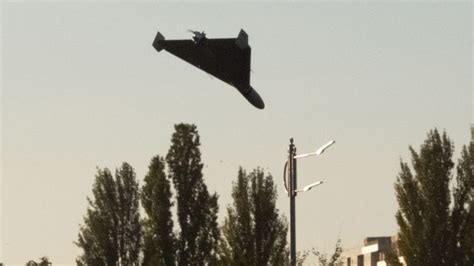
The Apache AH-64E, despite its upgraded systems, still relies heavily on nap-of-the-earth tactics and terrain masking—strategies that are increasingly ineffective against autonomous drone sentries and networked air defense systems.
Indian Perspective: Strategic Utility or Costly Burden?
Despite these concerns, India remains committed to integrating the Apache into its Army Aviation Corps. Indian defense analysts argue that the Apache still holds utility in regional scenarios, particularly in tank-heavy battles against Pakistan’s armored divisions. The helicopter’s armament suite—including Hellfire missiles, 70mm rockets, and a 30mm chain gun—provides concentrated firepower for close air support and anti-armor missions.
Moreover, the AH-64E’s Manned-Unmanned Teaming (MUM-T) capability allows it to command and collaborate with UAVs, effectively expanding its reconnaissance and strike radius. This makes it a semi-networked node on the battlefield, able to direct drones toward high-value targets and avoid redundant risk exposure for human pilots.
Yet even these advantages are coming under fire. Squadron Leader Vijainder K. Thakur (retd.) has publicly questioned the wisdom of India’s Apache buy, citing both the South Korean withdrawal and the dramatic 160% price hike in Apache procurement costs over the last decade.
“The future lies in loitering munitions and AI-enabled drones,” Thakur wrote on X (formerly Twitter), launching a poll to gauge public and professional sentiment about the Apache’s relevance in India’s defense posture.
Operational Limitations in High-Altitude Warfare
While the Apache is optimized for rugged combat and mountain operations, its performance in extreme altitudes, such as the Himalayas, is being challenged. In 2024, a stranded Indian Air Force Apache on a high-altitude outpost remained grounded for several months, highlighting the logistical and mechanical constraints of deploying such platforms in thin-air environments.
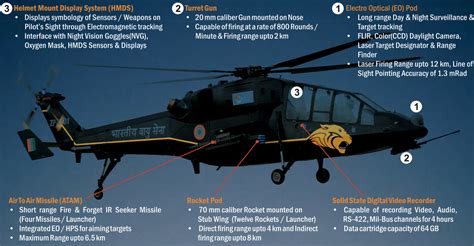
In contrast, India’s indigenous LCH Prachand has been purpose-built for high-altitude warfare, offering a smaller logistical footprint, better adaptability, and a cost-effective solution to the same problem set. It also aligns with India’s broader goals of defense indigenization and reduced import dependency.
Global Realignments and the Apache’s Diminishing Role
Even the U.S. Army, Apache’s primary user and developer, is reducing its fleet. Under its Army Transformation Initiative, the Pentagon is phasing out older AH-64D models and reconsidering the long-term viability of the AH-64E. Lt. Gen. Joseph Ryan, Deputy Chief of Staff for Operations, recently declared that the Apache “is not a war-winning capability that we can fight with and win today.”
This stark statement reflects a sobering reality: the Apache’s golden era may be coming to an end.
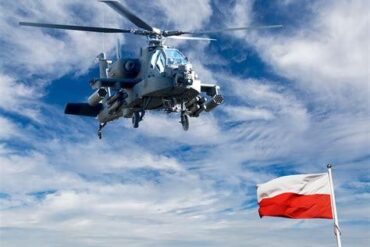
Meanwhile, Poland’s Apache deal, though approved, was made feasible only through a $3.08 billion U.S. Foreign Military Financing (FMF) loan—a luxury not extended to India. This raises additional questions about the long-term financial sustainability of maintaining such a fleet without external subsidies.
Strategic Partnership or Tactical Misalignment?
Despite the growing chorus of criticism, some argue that India’s Apache deal transcends mere battlefield utility. It serves a geopolitical function, strengthening defense ties with Washington at a time when both nations share concerns over China’s expansionist policies.
The deal also ensures access to American defense technology, logistics chains, and training ecosystems that would otherwise be hard to replicate. The Apache contract follows other high-profile purchases like the MQ-9 drones and Stryker vehicles, both of which have also attracted scrutiny for their cost-effectiveness and combat track record.
But even this strategic calculus must contend with the reality that China’s A2/AD (Anti-Access/Area Denial) infrastructure could significantly restrict Apache operations in the Ladakh and Arunachal sectors, where dense air defenses and drone warfare dominate.
The Future: Drones, AI, and the End of the Helo Age?
As military paradigms shift, helicopters like the Apache must compete with fast-evolving technologies. The rise of AI-enabled autonomous systems, hypersonic glide vehicles, and network-centric warfare suggests that rotary-winged platforms will become increasingly niche, tasked with roles only they can fulfill—such as low-speed precision engagement in complex urban or jungle environments.
Air Marshal Anil Chopra (retd.) argues that despite the storm, attack helicopters will not vanish. “They are the only 350 KMPH missile carriers that can hide behind trees, pop up, and shoot and scoot,” he said, emphasizing the tactical role they continue to serve.
Yet in an era of saturation drones, AI-guided weapons, and electronic warfare, hiding behind trees might no longer be enough.
India now stands at a military crossroads. It can double down on legacy systems like the Apache and bolster its strategic ties with the West, or it can pivot to homegrown solutions and next-generation warfare systems that reflect a changing battlefield. One thing is certain—the future of combat is unmanned, and the Apache may soon become a relic of the past.