Europe’s outbound travel dynamics are undergoing a dramatic transformation. While the United Kingdom, France, and Germany remain dominant forces in shaping travel flows to Asia, a trio of emerging markets—Greece, Turkey, and Poland—are rapidly redefining the landscape. These Southern and Eastern European countries are no longer peripheral in outbound tourism; instead, they are asserting themselves as key contributors to Europe’s growing obsession with long-haul Asian exploration.
The shift, observed during the 2025 summer travel season, reflects more than just a seasonal fluctuation. It illustrates a fundamental change in travel behavior, accessibility, and cultural curiosity among European travelers.
Greece’s Meteoric Rise in Asia-Bound Travel
Greece, historically a nation whose citizens favored domestic islands or Mediterranean destinations for summer vacations, has catapulted into a leading European source market for Asia-bound travel. Recent travel platform analytics reveal that 23% of Greek users are now actively searching for destinations in Asia. This places Greece ahead of Turkey (21%) and Poland (17%) in relative search momentum.
This interest marks a seismic shift. Greeks, once loyal to the sun-kissed familiarity of the Aegean, are now turning their gaze eastward. The evolution is driven by multiple factors: a craving for authentic cultural experiences, enhanced digital access to global travel options, and new airline routes that make previously distant destinations more reachable.
The Asian Destinations Dominating European Searches
Unsurprisingly, Thailand maintains its crown as the most sought-after Asian country among European travelers for the second year in a row. Its appeal cuts across all demographics—backpackers, honeymooners, families, and luxury tourists alike.
Following closely are:
- Indonesia, with Bali at the forefront
- Japan, prized for its unique blend of modernity and tradition
- Malaysia, registering a 20% year-on-year increase in European interest
- Vietnam, which has broken into the top five for the first time

Other notable mentions include China, which has recorded a 14% growth in European travel searches following the implementation of visa-waiver programs, and Sri Lanka, whose 13% increase underscores growing trust in its revitalized tourism infrastructure.
The Motivations Behind the Shift
Why are Europeans, particularly from new markets like Greece, suddenly so enchanted with Asia?
One reason is the rise of purpose-driven travel. Today’s travelers are not just seeking relaxation—they are hungry for meaningful experiences, cultural immersion, and even wellness tourism. Asia, with its rich spiritual traditions, biodiverse landscapes, and deep-rooted cultural practices, offers exactly that.
Furthermore, platforms like TikTok, Instagram, and YouTube have given travelers vivid glimpses of Japanese cherry blossoms, Balinese temples, or Vietnamese street food tours, sparking wanderlust beyond the borders of Europe.
Air Connectivity and Visa Flexibility Fueling Growth
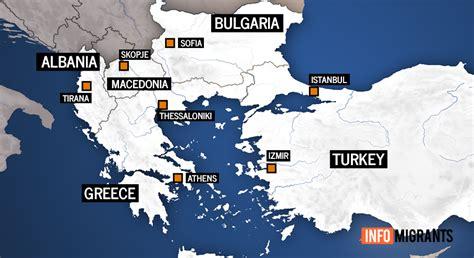
Improved air connectivity has been critical. European hubs are increasingly connected to Asia with direct flights and convenient layovers, particularly via Middle Eastern airlines or new EU–Asia partnerships. Greek travelers, for example, now have more options flying through Istanbul, Doha, or Dubai, reducing overall travel time to Asian hotspots.
At the same time, relaxed visa rules—notably in Malaysia, China, and Sri Lanka—have removed long-standing bureaucratic barriers. This has opened doors not just for wealthier Western Europeans but also for middle-income travelers from emerging EU economies.
Turkey and Poland: Expanding the Circle of Influence
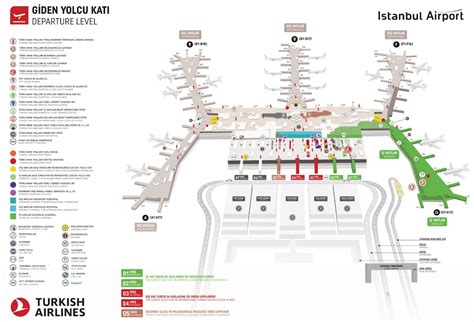
Like Greece, Turkey and Poland have become power players in this eastward trend. Turkish travelers benefit from their country’s geographic position as a bridge between Europe and Asia, making Asia-bound travel not only attractive but also logistically convenient. The nation’s strong aviation infrastructure—bolstered by Turkish Airlines—continues to make Istanbul a strategic hub for Asia travel.
Poland, meanwhile, reflects the rise of Central and Eastern Europe in global tourism dynamics. Polish travelers are younger, digitally savvy, and open to new experiences. The affordability of many Asian destinations compared to Western Europe enhances the appeal for budget-conscious Polish tourists.
Western Europe’s Continued Reign in Travel Volume
While Greece, Turkey, and Poland lead in growth rates, traditional giants remain atop in sheer volume. The UK, France, and Germany still account for the majority of bookings and searches for Asia-bound trips. Their well-established outbound travel culture, higher per capita income, and broader exposure to international experiences ensure they continue to fuel demand.
In particular, Germany has shown significant outbound travel recovery post-COVID, with Frankfurt and Munich becoming key departure points for Asia. The UK, through Heathrow and Gatwick, remains a strong launchpad for destinations like Thailand, India, and Singapore.

Destination-Specific Trends and Media Influence
Asia’s rising popularity is also being shaped by pop culture and digital storytelling. For example, Koh Samui‘s appearance in a globally streamed TV series triggered a spike in searches for Thailand’s tropical retreats. European travelers—especially younger audiences—are increasingly inspired by cinematic visuals and influencer content.
Likewise, Kyoto’s ancient shrines, Hanoi’s bustling food markets, and Bali’s yoga retreats now dominate social feeds, becoming aspirational travel goals for users across Europe.
Greece’s Youth: The Cultural Pioneers
Among Greek travelers, it’s the younger generation and working professionals leading this outbound revolution. No longer content with just Mykonos or Santorini, they are seeking educational trips, digital detox retreats, and eco-conscious tourism.
For many, the goal is to learn from foreign cultures, connect with local communities, and capture experiences that reflect individuality and depth, not just tourist checklists.
Tour operators are responding. Customized packages featuring Ayurvedic wellness in Kerala, volcano hiking in Java, or robot cafes in Tokyo are growing in popularity. Airlines are also tailoring fare classes and scheduling to cater to this more diverse and discerning customer base.
The Economic and Strategic Implications
The rise of Greece, Turkey, and Poland as prominent Asia-bound travel markets has economic implications beyond tourism. It paves the way for stronger bilateral relations, cultural diplomacy, and investment opportunities in hospitality, aviation, and tech sectors.
Tourism boards across Asia are now targeting campaigns specifically at Southern and Eastern Europe, knowing these markets are ripe for development. Collaborative efforts, such as joint visa schemes, co-branded travel itineraries, and student exchange programs, are likely to deepen these ties.

Conclusion: The Dawn of a New European Travel Order
As the summer of 2025 unfolds, it’s clear that Europe’s travel map is being redrawn. The enduring dominance of the UK, France, and Germany is being met with a fresh wave of momentum from Greece, Turkey, and Poland. This convergence signals more than diversification—it represents a continental realignment of travel aspirations.
From the ancient ruins of Athens to the neon-lit streets of Tokyo, Europe’s outbound travelers are seeking narratives, not just vacations. Asia offers a rich canvas on which these stories can be painted.
What began as a seasonal curiosity is fast becoming a structural transformation. With better infrastructure, inclusive visa frameworks, and a growing appetite for authentic experiences, the bond between Europe and Asia is poised to deepen in unprecedented ways.
The summer surge is only the beginning.