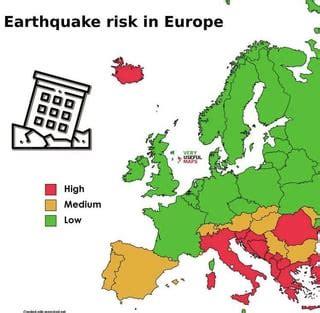
Southern Europe remains a magnet for global travelers seeking sun-drenched coastlines, ancient ruins, and world-famous cuisine. But behind the postcard-perfect scenery of Italy, Turkey, and Greece lies a powerful and unpredictable force of nature—seismic activity. With an uptick in earthquakes and volcanic tremors across the Mediterranean in recent months, especially in tourist hotspots like Crete, Santorini, and Sicily, savvy travelers must now consider more than just booking flights and accommodations. Understanding the seismic risks, choosing the right insurance, and taking strategic precautions are vital steps in ensuring a safe and enjoyable European getaway.
The Seismic Reality of Southern Europe
Italy, Turkey, and Greece are not just cultural powerhouses; they’re also situated along the complex tectonic boundaries of the African and Eurasian plates. This geological positioning places them squarely within one of the most earthquake-prone regions in the world. Though these seismic events are typically minor, recent occurrences have brought the risks sharply into public consciousness.
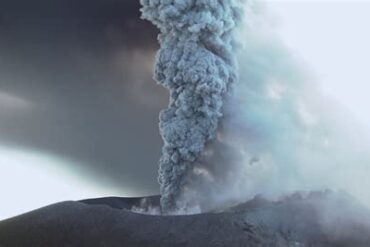
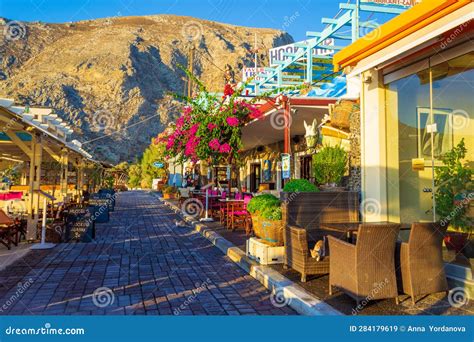
In Santorini, gentle tremors have rippled through the island, rattling nerves and raising questions. On Crete, a series of moderate quakes disrupted transport and infrastructure, while in Sicily, Mount Etna’s ongoing activity has added a layer of volcanic unpredictability. These events highlight the region’s geological volatility—and the necessity for informed travel planning.
Despite the drama these natural phenomena might suggest, most seismic activity in the Mediterranean remains non-lethal and rarely disrupts tourism significantly. That said, it can lead to logistical complications, from delayed flights to hotel evacuations. Smart travelers understand that staying informed is not about fear—it’s about resilience and readiness.
Insurance and the Natural Disaster Clause: Know What You’re Paying For
Most travelers assume their standard insurance covers everything from lost luggage to emergency evacuations. The reality is more nuanced. Typical travel insurance policies exclude coverage for natural disasters, classifying events like earthquakes and volcanic eruptions as “Acts of God”—essentially, unpredictable occurrences not covered unless specified.
However, many providers now offer add-on natural disaster coverage, designed specifically for high-risk destinations. These comprehensive packages can cover:
- Trip cancellations due to declared natural disasters.
- Emergency evacuation and relocation expenses.
- Trip interruption reimbursements.
- Damage or uninhabitable accommodation claims.
When reviewing policies, travelers must scrutinize the fine print. Look for explicit mentions of earthquake and volcanic eruption coverage. If it’s not there, it’s worth upgrading to a premium policy or purchasing a specialized rider. The cost difference is marginal compared to the potential expenses if disaster strikes.
When the Ground Shakes Mid-Trip: Your Insurance in Action
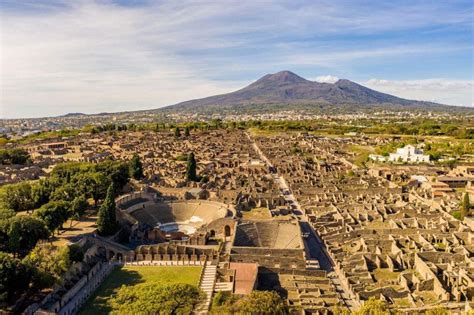
Let’s say you’re already in Naples, exploring Pompeii, when a moderate quake hits the region. Your accommodation sustains minor damage, and the local government issues a temporary evacuation order. If your policy includes natural disaster coverage, the insurer may foot the bill for your alternative stay and help rebook disrupted transport. In more severe scenarios—such as a shutdown of all outgoing flights from an affected region—your policy may even cover the cost of repatriation.
Similarly, if a volcanic eruption like Mount Etna’s disrupts air traffic, a well-structured insurance plan ensures that you’re not left scrambling. Travelers without such coverage, on the other hand, may face significant out-of-pocket expenses. It’s not about paranoia—it’s about financial foresight.
Travel Cancellation: Can Fear Alone Justify Backing Out?
Traveling to a country that’s just experienced a seismic event naturally induces anxiety. But fear alone doesn’t qualify for reimbursement under most policies. Unless there’s an official warning from local or international authorities advising against travel, insurance will not cover cancellations based solely on traveler apprehension.
For example, a minor tremor reported in Izmir, Turkey might trigger concern but not qualify as a valid reason for reimbursement. Conversely, a major quake leading to infrastructure collapse, airport closures, or a government-declared emergency would typically activate coverage.
This reinforces the importance of monitoring government travel advisories, reading local news, and maintaining open communication with your insurer. A cautious traveler is not necessarily a fearful one—but a prepared traveler is always more empowered.
The Mediterranean Tourism Sector Feels the Aftershock
Earthquakes don’t just shake buildings—they shake economies, especially in tourism-reliant nations like Greece and Italy. The 2025 summer season has already seen a notable dip in bookings across destinations such as Santorini, where visitor numbers are expected to fall by up to 25%. This slump ripples out to affect hotel occupancy rates, local tour operators, and seasonal employment.
Despite these setbacks, local governments are pushing back with aggressive safety reassurances. In Greece, officials have ramped up infrastructure inspections, increased emergency response training, and installed multilingual seismic alert systems in major tourist zones. Italy’s Civil Protection Department has also enhanced its public safety communication tools and invested in earthquake-resistant infrastructure, particularly around Sicilian and Neapolitan hotspots.
How to Prepare for Travel in Earthquake Zones
Preparation is not about deterring adventure—it’s about enhancing it with peace of mind. Here’s how you can travel smart in seismically active zones:
1. Review and Upgrade Your Insurance
Make sure your policy explicitly covers earthquakes and volcanic activity. If not, purchase additional coverage.
2. Book with Flexibility in Mind
Choose airlines and hotels that offer free cancellation or changes. Travel flexibility is critical in unpredictable environments.
3. Stay Informed with Trusted Sources
Monitor official websites like the European-Mediterranean Seismological Centre (EMSC) and national tourism boards. Real-time updates can be crucial.
4. Know Emergency Procedures
Familiarize yourself with local emergency numbers, evacuation routes, and meeting points at your accommodation. Many hotels in high-risk areas provide these upon check-in.
5. Keep Digital and Physical Copies of Your Documents
Always have backup access to your insurance papers, passports, and emergency contacts. Store them in the cloud and carry hard copies.
A Region Worth the Risk—If You’re Ready
Southern Europe is a tapestry of culture, history, and breathtaking landscapes, stitched together over millennia of natural and human upheaval. Yes, it lies along seismic fault lines. But so do many of the world’s most enchanting destinations—from Japan to California.
What separates a disruptive experience from a disaster is preparation. Armed with the right insurance, current knowledge, and flexible planning, you can still walk the ruins of Pompeii, sail the caldera of Santorini, or sip Turkish tea by the Bosporus—with confidence.
Final Word: Resilience is the Real Travel Essential
No destination is without risk. The key to a successful trip is not avoiding it but understanding and managing it. As seismic activity continues to pulse beneath Southern Europe’s most iconic landmarks, tourists who travel informed, insured, and alert will find that these ancient lands still welcome them with open arms—and that the stories they bring home are ones of joy, not jeopardy.