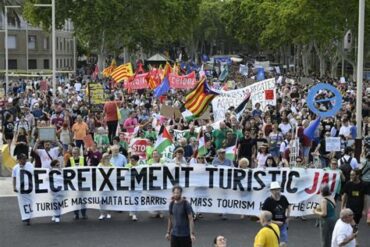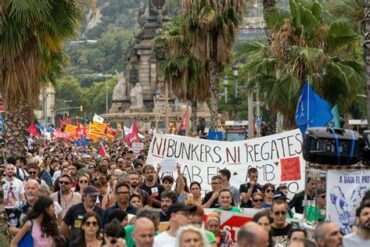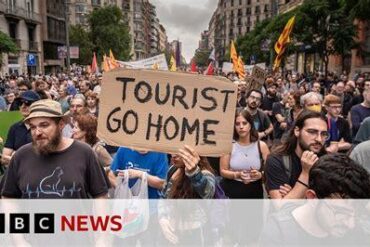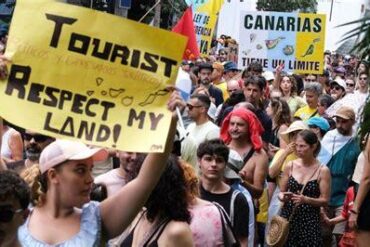
Southern Europe is witnessing a historic wave of anti-tourism protests as Spain, Italy, and Portugal come together in an unprecedented show of solidarity. These nations, long celebrated for their rich culture and stunning landscapes, are now at the forefront of a movement determined to reshape the future of tourism. What began as isolated voices of discontent has transformed into a chorus of resistance that echoes through the ancient streets of Barcelona, the canals of Venice, and the vibrant neighborhoods of Lisbon.
The protests that erupted on June 16, 2025, were anything but ordinary. In cities where millions flock annually, locals emerged armed not with aggression but with water pistols and symbolic defiance. The sight of residents dousing tourists with harmless sprays of water may seem whimsical, but beneath the surface lies deep frustration at the transformation of beloved cities into crowded theme parks. Barcelona alone hosted over 15 million tourists in 2024, a staggering number compared to its 1.7 million residents. The disparity has become unsustainable.

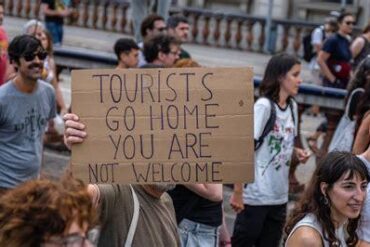
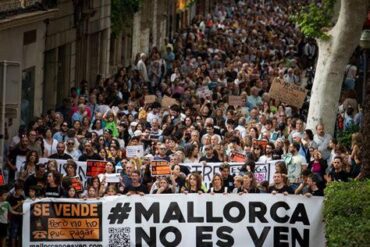
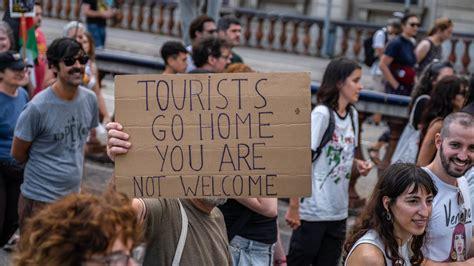
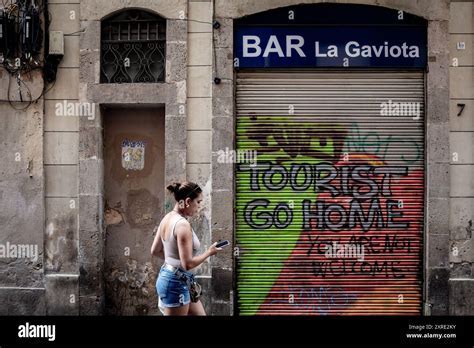
In Barcelona’s Gothic Quarter, demonstrators dressed in black and green, wielding homemade banners with messages like “Your Airbnb Was My Home” and “Tourist Go Home”, filled the narrow streets. Pink smoke drifted above their heads as chants for housing rights and community preservation rang out. Palma de Mallorca saw a turnout of around 5,000, with residents demanding an end to mass tourism that has pushed rents to unimaginable levels. The once-vibrant island culture now struggles beneath the weight of relentless visitor numbers.
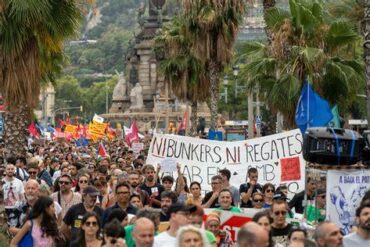
Venice, long held up as a warning of overtourism’s consequences, joined the coordinated movement. Protesters gathered near the sites of two controversial new hotel projects, waving banners and demanding a moratorium on further tourist development. The loss of local residents, who have fled in droves due to unaffordable living conditions, has left historic districts eerily hollow, their essence traded for profit. Venetians fear their city is becoming a mere backdrop for tourists’ photographs.
The protests extended to Lisbon, where locals voiced anger at skyrocketing housing costs fueled by short-term rentals. Traditional businesses—family-run cafés, grocers, and artisans—are increasingly being replaced by chains and souvenir outlets catering solely to tourists. The transformation is not just physical but cultural, as long-standing communities see their identities eroded.
Governments are being forced to respond. Barcelona’s city council announced a bold plan to revoke all short-term rental licenses by 2028, signaling the most aggressive stance yet in Europe’s fight against tourism-driven displacement. Spain’s national government followed with the removal of nearly 66,000 illegal holiday rentals, targeting platforms like Airbnb that have been blamed for exacerbating housing crises. Similar measures are being considered in Italy and Portugal as momentum builds.
The economic complexities of overtourism cannot be ignored. Tourism accounts for roughly 12% of Spain’s GDP and provides vital employment. Yet, the short-term profits generated are increasingly outweighed by long-term damage: unaffordable housing, community breakdown, and cultural dilution. Residents across Southern Europe report rent hikes of 30% to 50% in recent years, forcing many to relocate. The prosperity tourism promised is no longer shared equally; it’s concentrated among a few while the majority pay the price.
Airbnb and similar platforms now face intensified scrutiny. Critics argue that what began as a way to connect travelers with authentic local experiences has evolved into a business model that commodifies homes and neighborhoods. The backlash has reached the point where even residents who travel are shunning these platforms, opting instead for regulated hotels and rentals to avoid perpetuating the cycle that’s harming their cities.
The protests mark a turning point for the travel industry. What once seemed like an endless boom is now under the microscope, as cities grapple with the need to balance economic benefits with social sustainability. Some regions are introducing tourist caps, raising taxes on holiday lets, and pausing new hotel development. Travelers, too, are being called upon to reconsider their choices—to support local economies responsibly and choose destinations and accommodations that do not contribute to displacement.
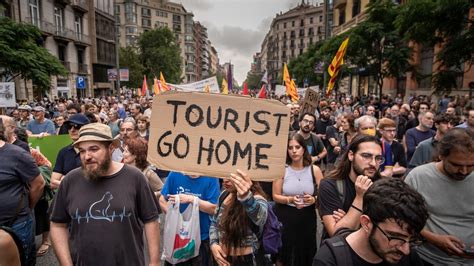
This movement is not a rejection of tourism itself. It is a wake-up call for transformation. Southern Europe’s most iconic cities are making it clear: the future of travel must be different. Cities are demanding respect, balance, and policies that prioritize residents over profit. The water pistols, playful as they may seem, have delivered a powerful message: unchecked tourism can no longer be the status quo.
As the world watches, Spain, Italy, and Portugal are leading a conversation that will shape the next chapter of global travel. Their demand is simple but profound: protect our homes, our cultures, and our communities before they are lost forever.