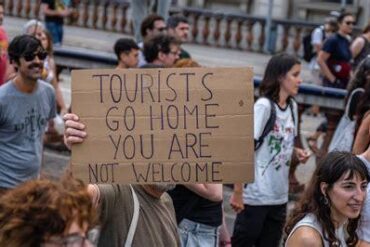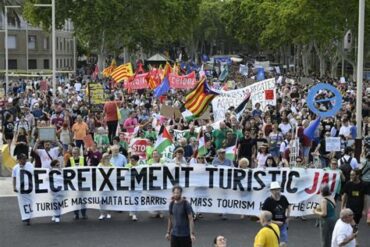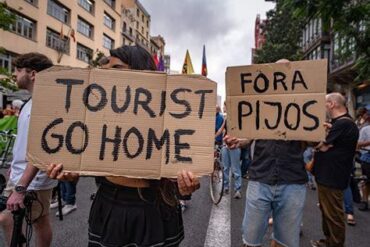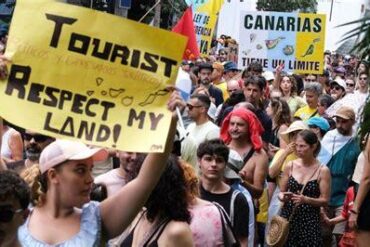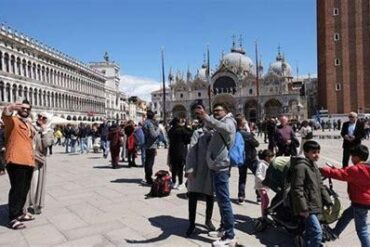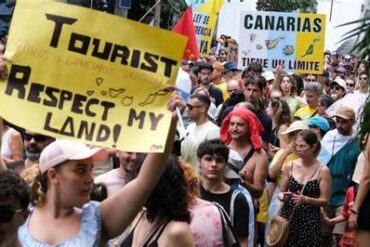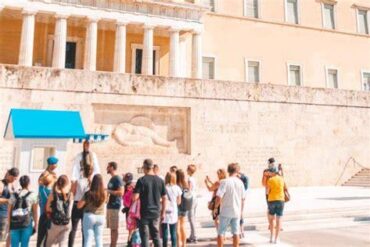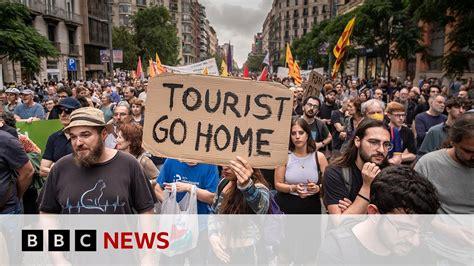
In recent months, southern Europe has witnessed an unprecedented surge in anti-tourism protests, particularly in Spain, Italy, and Portugal. Tourists from the US, Canada, UK, France, Germany, Brazil, and the Netherlands find themselves caught in the crossfire of a growing backlash against mass tourism. What was once a cherished gateway to sun-soaked beaches and vibrant cultural experiences has transformed into a battleground where locals express their frustrations with powerful water guns, fiery banners, and fervent demonstrations.
The picturesque streets that once echoed with laughter and joy now resonate with chants demanding, “go home” and “this tourism is terrorism.” This evolving narrative raises critical questions about the sustainability of tourism in these beloved destinations. With each passing weekend, protests escalate, revealing a deeper crisis that could reshape the future of travel in Europe.
A Perfect Storm: What Triggered the Protests?
The roots of this upheaval can be traced back to a complex interplay of factors exacerbated by the COVID-19 pandemic. As global travel restrictions lifted, tourism in southern Europe surged, bringing with it a wave of economic benefits but also significant social challenges. In Spain, tourism constitutes over 12% of the national GDP, with certain regions like the Balearic Islands relying on it for nearly 45% of their economy. Yet, despite these financial gains, many locals feel disenfranchised and neglected.
Rising inflation and skyrocketing housing prices have left residents struggling to maintain their livelihoods while catering to an influx of tourists. Short-term rentals have proliferated, often at the expense of local families who can no longer afford to live in their own neighborhoods. In cities like Palma, Majorca, and Barcelona, the pressure cooker of overtourism has reached its boiling point, leading to chaotic scenes where demonstrators confront tourists directly.
The Human Cost of Overtourism
The phenomenon of overtourism occurs when the number of visitors exceeds a destination’s capacity to accommodate them without causing environmental, social, or economic harm. The consequences are glaringly evident across Spain, Italy, and Portugal:
- Housing Crisis: Locals are increasingly pushed out of their homes due to rising rents driven by short-term vacation rentals.
- Environmental Degradation: Overcrowding leads to damage to natural landscapes and historic sites, straining local ecosystems.
- Job Insecurity: Service workers, often employed in tourism, face precarious job situations amidst fluctuating visitor numbers.
The protests are not merely expressions of discontent but urgent calls for reform and sustainable practices. As images of angry protests flood social media, the brand of Spain as a welcoming tourist haven hangs in the balance.
Escalating Tensions: A Nationwide Movement
The unrest in Palma is far from isolated. Similar demonstrations have erupted across Spain, from Barcelona’s bustling streets to the idyllic Canary Islands, where locals rallied under the slogan: “The Canary Islands are not for sale—they are loved and defended.” In Italy and Portugal, protests echo the same sentiments, signaling a widespread demand for change in how tourism is managed.
Protesters have taken bold actions, blocking hotel entrances and even using water pistols to douse unsuspecting tourists. In one alarming incident, a protester wielded an axe, underscoring the escalating tensions and the potential for violence. This shift from peaceful marches to confrontational demonstrations raises serious concerns about public safety and the future of tourism in these regions.
The Economic Dilemma: Balancing Profit and People
As regional governments grapple with these protests, they find themselves caught between the economic benefits of tourism and the legitimate grievances of their citizens. While tourism generates millions of euros annually, it often does so at the expense of local communities. Business owners, especially in the hospitality sector, fear long-term repercussions as tourists report feelings of unsafety and hostility.
Authorities are now faced with a daunting challenge: how to address the needs of residents while maintaining the economic engine that is tourism. The stakes are high, as declining bookings could threaten the very fabric of local economies that have become dependent on international travelers.
Moving Toward Sustainable Solutions
Experts assert that banning tourism is not the answer; rather, regulation is essential. Cities like Amsterdam and Venice have begun implementing measures to manage tourism sustainably. Spain could learn from these examples, considering proposals such as:
- Capping visitor numbers during peak seasons to reduce overcrowding.
- Limiting short-term vacation rentals to protect housing availability for locals.
- Creating sustainable travel zones that prioritize environmental preservation and local culture.
- Promoting alternative destinations to ease pressure on major tourist hotspots.
The Balearics are hinting at a shift from volume-based tourism to value-based strategies, emphasizing quality stays over sheer numbers. However, the clock is ticking, and swift action is necessary to prevent irreversible damage to the tourism sector and local communities.
The Global Landscape: Who’s Visiting Southern Europe?
As of 2025, Spain, Portugal, and Italy remain magnets for global travelers. Each country attracts millions of visitors, driven by a combination of cultural allure, stunning landscapes, and culinary delights. Yet, the profiles of these travelers reveal interesting dynamics:
Spain: The British Connection
Spain continues to attract British travelers, with over 18 million Brits visiting in 2025 alone. The appeal lies in short flight times, familiar food, and year-round sunshine. Following closely are German and French tourists, highlighting the interconnectedness of European travel. However, the influx of tourists has led to rising tensions, as locals demand a more sustainable approach to tourism.
Portugal: An Emerging Star
Portugal has seen a remarkable increase in visitors, particularly from the UK and the US. The country is becoming a popular choice among American travelers, with over 1.16 million overnight stays recorded in early 2025. This growth is fueled by strategic airline connections and investments in sustainable tourism, positioning Portugal as both a travel destination and a long-term lifestyle choice.
Italy: Balancing Tradition and Growth
Italy remains a top destination, attracting approximately 12.5 million German visitors and over 11.2 million French tourists in 2025. The country’s approach focuses on managing tourist flows to relieve pressure on crowded hotspots while promoting lesser-known regions. This strategy aims to ensure that tourism benefits local communities rather than overwhelming them.
Conclusion: The Future of Tourism in Europe
As southern Europe grapples with the fallout from these protests, it faces a pivotal moment in its tourism narrative. The ongoing demonstrations are not merely disruptions; they are signals of a broader demand for change—a call for sustainable practices that prioritize the well-being of local communities over profit.
The decisions made today will shape the future of travel in Spain, Italy, and Portugal. If authorities can strike a balance between economic vitality and social harmony, these countries may not only retain their status as top tourist destinations but also foster environments where both locals and visitors can thrive. The journey toward a more sustainable tourism model is fraught with challenges, but it is a journey that must be undertaken to ensure that Europe remains a welcoming place for generations to come.