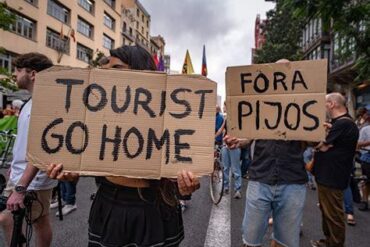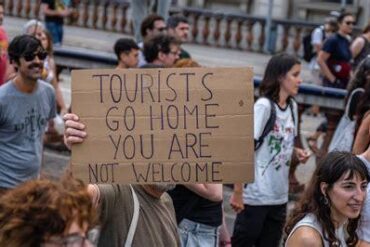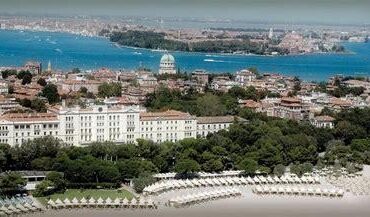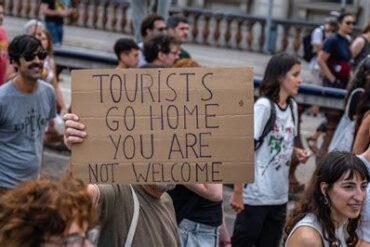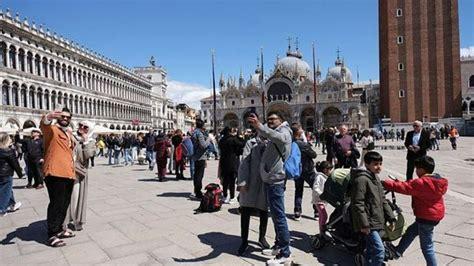
In the heart of Venice, a city renowned for its canals and rich cultural heritage, a wave of protests is sweeping through the historic streets, fueled by a rising tide of discontent over new hotel developments. Activists, armed with passionate voices and striking banners, have taken to the streets to call for a moratorium on the relentless expansion of the hospitality industry. This movement has gained momentum as locals express their concerns about the implications of over-tourism, which they argue threatens the very fabric of their community. The protests reached a poignant climax recently when a small group of activists unfurled a banner outside two newly constructed hotels in a location steeped in symbolism—once home to the city’s last remaining resident, an elderly woman who was evicted just a year ago. This act of displacement epitomizes the broader crisis facing Venice, as locals grapple with the pressures of a booming tourism sector that prioritizes profit over people.
As one of the world’s most iconic destinations, Venice has long captivated travelers with its stunning architecture, labyrinthine canals, and unparalleled art scene. However, the surge in visitor numbers—estimated to exceed 20 million annually—has ignited fierce debates about the sustainability of tourism in a city that was never designed to accommodate such vast crowds. The residents argue that the ongoing construction of new hotels exacerbates the housing crisis, inflating living costs and rendering the city increasingly inaccessible to its native population. The crux of the issue lies in the struggle to balance Venice’s allure as a premier travel destination with the urgent need for sustainable tourism practices that prioritize the well-being of its residents.
The Tourism Boom: A Double-Edged Sword
The rapid increase in tourist arrivals has transformed Venice into a double-edged sword. While tourism significantly bolsters the local economy, accounting for approximately 25% of the city’s GDP, it simultaneously imposes profound challenges on the community. Local residents face soaring rental prices, forcing many to vacate their homes in favor of short-term rental accommodations catering to tourists. As traditional residential areas morph into commercial properties, the essence of local life diminishes, leaving Venetians feeling increasingly alienated in their own city. The ongoing struggle for affordable housing is epitomized by the plight of the elderly woman who was evicted—a stark reminder of the human cost of over-tourism.
The Impact on Local Communities and Residents
The consequences of unchecked tourism development extend far beyond financial considerations; they also manifest in social and cultural ramifications.
- Displacement of Locals: As housing becomes scarce and real estate prices escalate, many Venetians are forced to relocate, often displaced by developers eager to capitalize on the lucrative tourism market.
- Housing Shortages: The proliferation of hotels further intensifies pressure on the housing market, leading to a troubling trend where authentic Venetian neighborhoods are transformed into transient hubs for visitors.
- Loss of Authenticity: The increasing commercialization of Venice raises concerns about the city losing its unique character, as it risks becoming merely a backdrop for tourists rather than a vibrant living community.
- Environmental Strain: The physical toll of mass tourism on Venice’s infrastructure cannot be overlooked. The city’s delicate ecosystem is facing unprecedented strain, as increased foot traffic and pollution contribute to the deterioration of its iconic landmarks and fragile foundations.
The Protests: A Growing Movement Against New Hotels
At the forefront of the protests against new hotel developments is a dedicated group of activists driven by a shared vision of preserving Venice’s integrity. Their grievances revolve around two primary issues: the detrimental effects of over-tourism and the displacement of local residents. Historically, Venice has thrived as a community deeply connected to its people; however, recent trends suggest a shift towards prioritizing profit over preservation. Protesters argue that by focusing on attracting more tourists through luxury accommodations, the city is jeopardizing its cultural heritage and the very identity that makes it unique. Many activists advocate for stringent regulations to curb the construction of new hotels, aiming to protect existing housing stock for the benefit of Venetians.
Local Sentiment: The Voice of Venice’s Residents
The sentiments of the local population resonate loudly amidst the protests. Many Venetians express their frustration at the escalating dominance of the tourism industry, which they believe has rendered their city increasingly unlivable.
- Residents lament the transformation of their neighborhoods into tourist attractions, with short-term rentals flooding the market and driving up prices.
- Recent surveys conducted by the Venetian Association for the Protection of the Environment (AVPA) reveal that over 60% of locals feel that tourism has adversely affected their quality of life, with more than 50% believing that city development policies favor tourists over the needs of residents.
The Economic Forces Behind New Hotel Developments
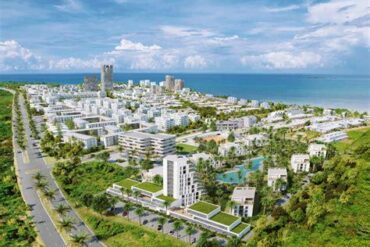
The surge in hotel developments in Venice is largely propelled by economic incentives. As one of the globe’s most sought-after travel destinations, the city offers a lucrative opportunity for investors keen on catering to the ever-growing demand for luxury tourism. The hospitality sector in Venice is thriving, with new projects continually emerging to meet the influx of high-spending travelers from around the world.
- Job Creation: The arrival of new hotels contributes to job creation within the local hospitality sector, providing employment opportunities for residents.
- Revenue Generation: An increase in hotels translates to a boost in tourist spending, benefiting the local economy.
Yet, the benefits of this boom are not universally felt. Many Venetians express concern that the economic gains primarily enrich large corporations and developers, while locals grapple with the harsh realities of escalating housing costs.
The Role of International Investors
The real estate landscape in Venice has attracted the attention of international developers, who often prioritize short-term profits over the long-term sustainability of the city. Their investments typically target affluent tourists, driving up real estate prices and deepening the affordability crisis faced by locals. This trend raises critical questions about the future of Venice: can the city sustain its charm and heritage amid the relentless push for profit?
Moving Towards Sustainable Tourism: Can Venice Find Balance?
The debate surrounding new hotel developments in Venice highlights the urgent need for a comprehensive conversation about sustainable tourism practices. As the city stands at a crossroads, the challenge remains: how can Venice continue to thrive as a premier tourist destination without sacrificing its local community and rich cultural identity?
Solutions for a Sustainable Venice
Several potential solutions could pave the way for a more sustainable future for Venice:
- Regulating Hotel Development: Implementing stricter regulations governing new hotel construction could help align development projects with the city’s preservation goals, ensuring that Venice retains its unique character.
- Limiting Cruise Ship Access: Reducing the number of large cruise ships docking in Venice would alleviate the overwhelming influx of day-trippers, who significantly contribute to overcrowding.
- Promoting Off-Season Tourism: Encouraging visitors to explore Venice during the off-season could distribute the economic benefits of tourism more evenly throughout the year, easing pressure on the city’s infrastructure during peak months.
Conclusion: Can Venice Preserve Its Soul?
As Venice grapples with the complex pressures of mass tourism and hotel expansion, the ongoing protests serve as a clarion call for change. The city faces a delicate balancing act—protecting its residents, environment, and cultural heritage while still reaping the economic benefits of tourism. The path forward necessitates careful planning, robust community engagement, and a steadfast commitment to sustainable tourism practices. Without these vital components, Venice risks losing the very essence that has made it a cultural treasure for centuries.