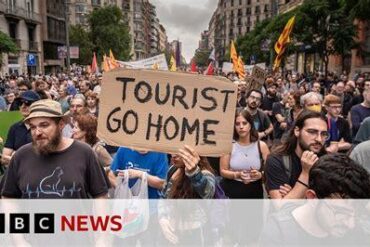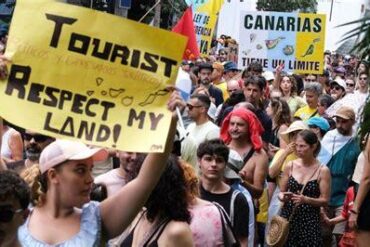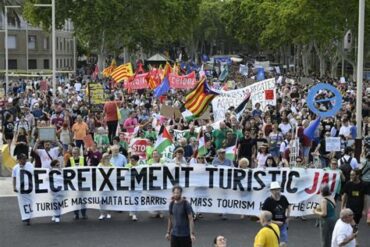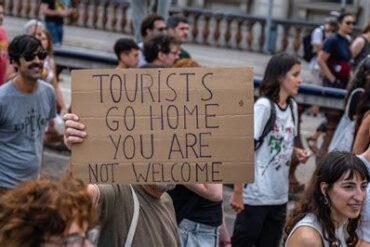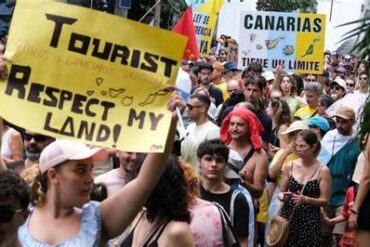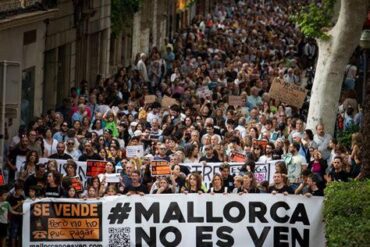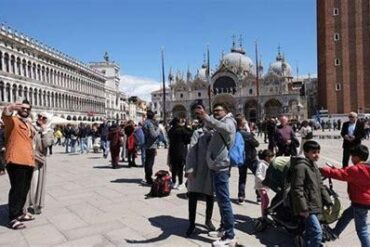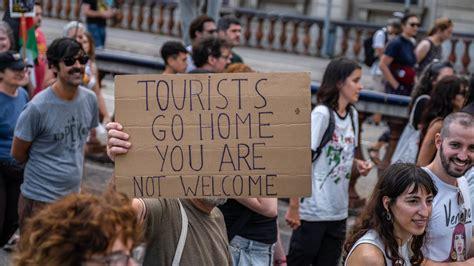
As the summer season approaches its peak, European cities are grappling with an escalating problem: overtourism. The once-straightforward appeal of visiting iconic destinations like Paris, Barcelona, and Venice is being overshadowed by the consequences of mass tourism. Crowded streets, strained public services, skyrocketing housing costs, and protests from locals have become common scenes in these popular tourist hotspots. The adverse effects of overtourism are far-reaching, as residents voice concerns over the loss of local identity, high costs of living, and diminished quality of life. Meanwhile, cities such as Barcelona and Venice have implemented tourist taxes to alleviate the burden, but many argue that these measures are insufficient. Strikes, protests, and even disruptions in major attractions like the Louvre have drawn international attention to the growing tension between tourism and resident life in Europe.
The Strain on Europe’s Cities: Residents vs. Tourists
In recent years, some of Europe’s most popular cities have become battlegrounds in the fight against overtourism. Frustrated residents are taking matters into their own hands, organizing protests and demanding immediate changes to local tourism policies. While tourists often see these cities as vacation havens, locals have been vocal in expressing their dissatisfaction. Key issues driving the overtourism backlash include:
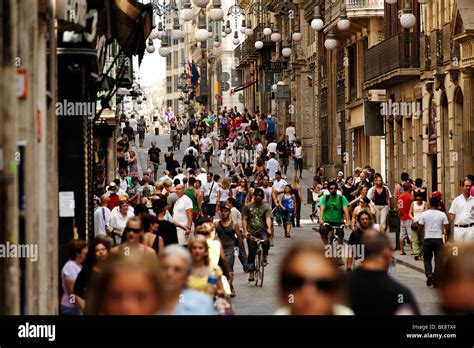
- Overcrowded Streets and Attractions: Iconic landmarks like the Eiffel Tower in Paris and La Sagrada Familia in Barcelona are swarming with tourists year-round, leaving little room for locals to navigate their neighborhoods.
- Skyrocketing Housing Costs: The boom in tourism has led to a surge in demand for short-term rentals. In many cities, this trend, largely driven by platforms like Airbnb, has pushed housing prices beyond the reach of local residents.
- Decline in Quality of Life: Local residents express concerns about their ability to enjoy their own cities, as public spaces and services are often overwhelmed by the presence of tourists.
The Louvre Strikes: A Case Study in Overtourism
One of the most prominent examples of overtourism’s impact was seen at the Louvre Museum in Paris, the world’s most visited museum. On June 15, 2025, museum staff staged a surprise strike, resulting in a delayed opening and limited access to exhibits, including the Mona Lisa. Workers at the Louvre cited the overwhelming number of visitors as a key issue. The museum’s physical infrastructure struggles to cope with the constant foot traffic. Staff argued that current measures to manage crowds, such as the planned move of the Mona Lisa to a dedicated room, may not be enough to alleviate the pressure. Sarah Sefian, a gallery attendant at the Louvre, stated, “We can’t wait six years for help. Our teams are under pressure now. It’s not just about the art—it’s about the people protecting it.” This situation highlights the intense pressures placed on cultural institutions as they balance the demands of millions of visitors with the needs of their employees and the preservation of invaluable works of art.
Protests Erupt Across Europe: Residents Speak Out
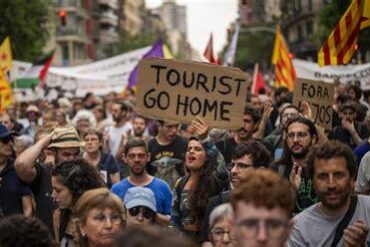
Protests against overtourism have erupted in various European cities, where locals increasingly speak out against the negative effects of mass tourism. One of the most vocal protests occurred in Barcelona, where demonstrators took to the streets to demand that the city “be given back to its residents.” Residents argue that the tourism industry has taken over the city, making it difficult for them to live comfortably. Last summer, water gun protests were seen, and this year’s protests included:
- Barcelona: Demonstrators wielded water guns, blew whistles, and held signs with messages like “One more tourist, one less resident” and “Tourism is killing Barcelona.”
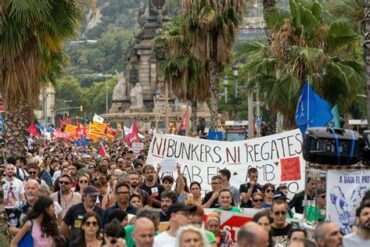
- Venice: Protestors carried banners demanding a halt to the construction of new hotels. Venice’s limited land area makes it highly vulnerable to overtourism, and many locals fear the city’s character will be irreversibly altered.
- Lisbon: In Lisbon, protesters highlighted concerns about how excessive tourism is contributing to the loss of the city’s unique charm. Smaller protests have also occurred in cities like Granada, San Sebastián, and Ibiza, signaling a broader trend across Europe.
Government Responses: Taxes and Regulations
Governments in affected cities have started taking action to address overtourism. Tourist taxes have been implemented in cities like Venice and Barcelona to help mitigate the economic and social pressures of mass tourism. These taxes aim to raise funds for infrastructure improvements and promote more sustainable forms of travel.
Barcelona’s Tourist Tax: In an attempt to curb overtourism, Barcelona has introduced a surcharge for visitors staying in hotels. Critics argue that this tax does little to ease the crowds or address the underlying housing issues caused by short-term rentals.
Venice’s Efforts: Venice has imposed a tourist tax that charges visitors who enter the city for day trips, aiming to reduce the number of day-trippers and limit the strain on the city’s fragile infrastructure. Despite these efforts, many argue that tourist taxes alone are not enough to reverse the damage caused by years of unchecked tourism growth. Residents continue to demand more radical solutions, such as caps on the number of tourists allowed in certain areas and stricter regulations on short-term rentals.
Airbnb’s Role in Overtourism
The impact of short-term rental platforms like Airbnb is often cited as a significant driver of overtourism, particularly in urban areas where the influx of tourists exacerbates housing shortages. Many cities, including Nice in France, have started cracking down on Airbnb-style rentals, arguing that they contribute to rising rent prices and reduce the availability of affordable housing for locals. On June 12, 2025, Airbnb released a report aiming to shift the blame for overtourism onto the hotel industry. According to the company, Hotels Are to Blame: The report claims that 80% of guests stay in hotels, and in some cities, there are more hotel rooms than residents. Airbnb argues that cities with strict Airbnb regulations are seeing more tourists flock to overcrowded hotspots.
A Call for More Homes: Theo Yedinsky, Airbnb’s vice president of public policy, suggests that Europe needs more homes for locals, not more hotels. He argues that the growing number of hotels in city centers exacerbates overtourism. However, critics contend that Airbnb plays a role in pricing out residents, particularly in densely touristed cities like Barcelona and Paris. As short-term rentals continue to rise, so do concerns about housing affordability and the displacement of locals.
Conclusion: Finding Balance in a Post-COVID Travel World
The rise of overtourism in Europe has sparked a fierce debate about the future of travel. As tourism numbers soar following the COVID-19 pandemic, it’s clear that Europe must strike a delicate balance between welcoming visitors and preserving the quality of life for residents. While measures like tourist taxes and Airbnb regulations are steps in the right direction, the question remains: How can cities protect their communities while still thriving as global travel hubs? Moving forward, the tourism industry must prioritize sustainability and work collaboratively with local governments and residents to ensure that Europe’s beloved destinations remain vibrant, livable, and accessible for both tourists and locals alike.